
| Disclosure: Just to be open and honest the buttons and links you click on in the website will in most cases take you to another website where you can purchase the products I am reviewing. As an Amazon Associate I earn from qualifying purchases. |
Why Leaders And Tippets Are The Unsung Heroes Of Fly Fishing
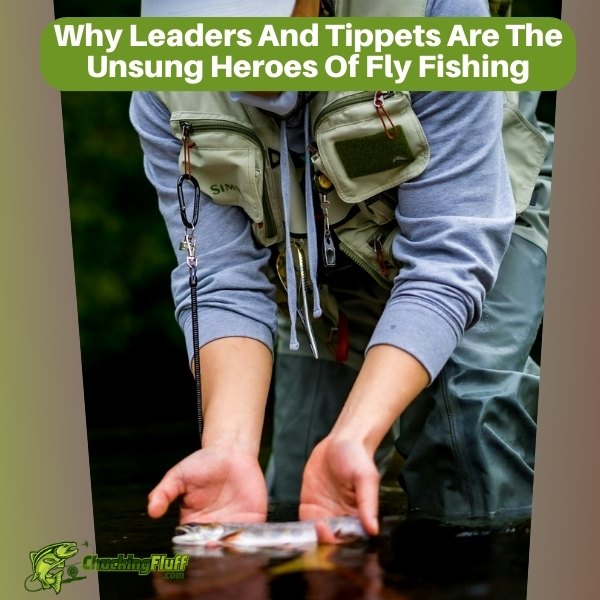
Imagine you’re on a pristine river, the water sparkling like a sheet of glass, and a trout is sipping flies just out of reach. Your cast is perfect, but the fly lands with a splash, spooking the fish. What went wrong? Chances are, your leader or tippet wasn’t up to the task. These thin, nearly invisible lines are the bridge between your fly line and your fly, and they’re way more important than most anglers realize. Get them right, and you’re landing fish like a pro. Get them wrong, and you’re left with nothing but a story about “the one that got away.”
What Are Leaders and Tippets, Anyway?
Let’s break it down. A leader is a tapered length of monofilament or fluorocarbon line that connects your thick fly line to the tippet. It’s designed to transfer energy from your cast smoothly, helping your fly land softly. The tippet is the final, thinner section that attaches directly to your fly. It’s like the secret sauce—nearly invisible to fish and flexible enough to let your fly move naturally. Together, they’re the finesse players in your fly fishing setup, making sure your presentation is spot-on.
How They Impact Your Fly Fishing Success
Why fuss over a few feet of clear line? Because leaders and tippets are the difference between a fish taking your fly and swimming away. A properly attached leader ensures your cast unfurls smoothly, while the tippet keeps your fly looking like a real insect drifting in the current. Mess up the attachment, and you’ll get sloppy casts, spooked fish, or even snapped lines when a big one bites. It’s like trying to thread a needle with a rope—precision matters.
The Anatomy of a Leader and Tippet Setup
To master leaders and tippets, you need to understand how they’re built and how they work together. Think of your fly fishing rig as a relay team, passing the baton (or energy) from rod to fly.
Leader Basics: The Backbone of Your Line
Leaders are typically 7.5 to 12 feet long and taper from a thick “butt” section (attached to the fly line) to a thinner end (where the tippet connects). The taper is key—it helps transfer the energy of your cast smoothly, like a gentle handoff. Leaders come in different strengths (measured in pounds) and materials, each suited to specific fishing conditions. A good leader is like a well-tuned suspension on a car—it absorbs shocks and keeps things smooth.
Tippet Talk: The Final Connection to Your Fly
The tippet is the leader’s slimmer cousin, usually 2 to 4 feet long, and it’s what ties directly to your fly. Tippets are rated by “X” sizes (e.g., 4X, 6X), where a higher number means a thinner line. Thinner tippets are less visible to fish but weaker, while thicker ones are stronger but more noticeable. It’s like choosing the right fishing bait—too big, and the fish get suspicious; too small, and it won’t hold up.
How They Work Together
The leader and tippet are a dynamic duo. The leader’s taper delivers your cast’s energy, while the tippet ensures your fly moves naturally in the water. A mismatched or poorly attached leader and tippet can ruin your presentation, like a bad dance partner stepping on your toes. When they’re in sync, your fly dances on the water, tempting even the wariest fish.
Why Proper Attachment Matters
Attaching leaders and tippets correctly isn’t just a technical detail—it’s the foundation of effective fly fishing. Here’s why it’s worth your time to get it right.
Improving Fly Presentation
Ever watch a fly land like a feather on the water, drifting perfectly with the current? That’s the magic of a well-attached leader and tippet. A secure connection ensures your cast unfurls smoothly, placing the fly exactly where you want it. A bad knot or mismatched sizes, though, can cause your line to kink or splash, scaring fish faster than a clumsy step in a quiet stream.
Ensuring Strength and Reliability
A strong knot tying your leader to your tippet (or fly line) is like the anchor on a ship—it holds everything together when the pressure’s on. A weak knot can snap under the weight of a fighting fish, leaving you empty-handed. Proper attachment means you can trust your setup to handle that trophy trout or feisty bass.
Avoiding Lost Fish and Frustration
There’s nothing worse than losing a fish because your tippet broke or your knot slipped. Proper attachment prevents these heartbreaks, saving your flies, your time, and your sanity. It’s like double-checking your gear before a big hike—better safe than sorry.
Choosing the Right Leader and Tippet
Not all leaders and tippets are created equal. Picking the right ones depends on your fishing environment, target species, and fly type.
Material Matters: Nylon vs. Fluorocarbon
Leaders and tippets come in two main materials: nylon and fluorocarbon. Nylon is affordable, flexible, and great for dry flies because it floats well. Fluorocarbon is nearly invisible underwater, sinks faster, and is more abrasion-resistant, making it ideal for nymphs or fishing in clear water. Choosing between them is like picking between sneakers and hiking boots—each has its terrain.
Size and Strength: Matching Your Quarry
Leaders and tippets are rated by pound-test strength and “X” sizes. For small trout, a 5X or 6X tippet (3–5 lb test) is plenty. For bigger fish like salmon or bass, go for 0X or 1X (8–12 lb test). Match the size to your fly and fish—tiny flies need thin tippets, while big streamers need beefier ones. It’s like choosing the right fishing rod: too light, and you’ll break; too heavy, and you’ll spook.
Length Considerations for Different Waters
Leader and tippet length depends on water clarity and fish behavior. In clear, calm streams, a longer leader (9–12 feet) with a 3–4 foot tippet keeps your fly line out of sight. In murky or fast water, a shorter setup (6–9 feet) is easier to control. Think of it like adjusting your car’s mirrors—set it up for the conditions you’re facing.
Essential Knots for Attaching Leaders and Tippets
Knots are the glue holding your leader and tippet together. Master these, and you’ll fish with confidence.
The Blood Knot: A Go-To for Strength
The blood knot is a classic for joining leader to tippet. It’s strong, streamlined, and reliable, even under pressure. To tie it, overlap the ends of your lines, twist them around each other, and pass the ends through the loop. It’s like braiding a friendship bracelet—simple once you get the hang of it.
The Surgeon’s Knot: Quick and Reliable
For a faster option, the surgeon’s knot is your friend. It’s easier to tie in low light or cold fingers, making it perfect streamside. Overlap the lines, form a loop, and pass the ends through twice. It’s like tying your shoes—quick, effective, and gets you back to fishing.
The Perfection Loop: Seamless Leader-to-Fly Line Connection
The perfection loop is ideal for attaching your leader to the fly line. It creates a strong, smooth loop that slides easily through the water. Form a loop, wrap the tag end around, and pull tight. It’s like locking your front door—secure and dependable.
Step-by-Step Guide to Attaching Leaders and Tippets
Ready to set up your line? Here’s a foolproof guide to attaching your leader and tippet like a pro.
Connecting Leader to Fly Line
Start with a perfection loop on the butt end of your leader. If your fly line has a loop, simply loop-to-loop connect them for a quick, strong bond. If not, use a nail knot to tie the leader directly to the fly line. It’s like plugging in a power cord—make sure it’s snug.
Attaching Tippet to Leader
Use a blood knot or surgeon’s knot to connect your tippet to the leader’s thin end. Match the diameters as closely as possible for a smooth transition. Trim the tag ends cleanly to avoid snags. Think of it as sewing a seam—neat and tidy for best results.
Securing the Fly to the Tippet
Tie your fly to the tippet with a clinch knot or improved clinch knot. Thread the tippet through the fly’s eye, wrap it around itself 5–7 times, and tuck the end through the loop. Pull tight and trim the excess. It’s like tying a gift ribbon—firm but not overpowering.
Common Mistakes and How to Avoid Them
Even seasoned anglers mess up their leader and tippet game. Here’s how to sidestep the pitfalls.
Poor Knot Tying: The Weak Link
A sloppy knot is like a weak handshake—it won’t hold up. Practice your knots until they’re second nature, and always test them with a gentle tug before casting. Wet the line before tightening to reduce friction and strengthen the knot.
Mismatched Leader and Tippet Sizes
Pairing a heavy leader with a wispy tippet (or vice versa) is a recipe for disaster. The sizes should transition smoothly, like a gradual slope rather than a cliff. Check the diameters and “X” ratings to ensure compatibility.
Ignoring Environmental Factors
Clear water demands longer, thinner leaders and tippets to avoid spooking fish. In fast or murky water, shorter, stronger setups work better. Always tailor your setup to the conditions—it’s like dressing for the weather.
Maintaining Your Leader and Tippet Setup
Your leader and tippet take a beating on the water. Keep them in top shape with these tips.
Checking for Wear and Tear
Inspect your leader and tippet for nicks, abrasions, or kinks after every trip. A damaged line is a weak line, ready to snap at the worst moment. Run your fingers along the length to feel for rough spots—it’s like checking your tires for wear.
When to Replace Your Tippet
Replace your tippet after landing a big fish, getting snagged, or tying multiple flies. Tippets weaken with every knot, so don’t push your luck. Think of it like changing the oil in your car—regular maintenance keeps things running smoothly.
Adapting to Different Fishing Scenarios
Different waters and fish call for different leader and tippet setups. Here’s how to adapt.
Trout in Clear Streams
For spooky trout in crystal-clear water, use a long leader (9–12 feet) with a fine tippet (5X–7X). Fluorocarbon is ideal for its invisibility. Keep your casts soft to avoid spooking fish. It’s like sneaking up on a deer—every move counts.
Big Game Fish in Murky Waters
For bass, pike, or salmon in cloudy water, go with a shorter leader (6–8 feet) and a heavier tippet (0X–2X). Nylon works fine here since visibility is less of an issue. It’s like using a sledgehammer for a tough job—strength over finesse.
Conclusion: Mastering Your Leader and Tippet Game
Properly attaching leaders and tippets is the secret sauce to fly fishing success. They’re not just lines—they’re your connection to the fish, turning a good cast into a great catch. By choosing the right materials, tying strong knots, and adapting to your fishing conditions, you’ll boost your presentation, land more fish, and avoid the frustration of lost flies. So, next time you’re rigging up, take a moment to get your leader and tippet right. It’s the small stuff that makes the big moments happen.
FAQs
1. How often should I replace my leader and tippet?
Replace your tippet after heavy use, multiple knots, or visible damage. Leaders last longer but should be swapped if nicked or kinked. Check after every trip to stay safe.
2. Can I use the same leader and tippet for all fish?
Not ideally. Match leader and tippet size to your target fish and water conditions. Thin tippets (5X–7X) for trout, heavier ones (0X–2X) for bass or pike.
3. Why does my leader keep tangling?
Tangles often come from mismatched sizes, poor knots, or improper casting. Ensure a smooth taper, tie clean knots, and practice your casting to keep things smooth.
4. Is fluorocarbon really worth the extra cost?
Yes, for clear water or subsurface fishing. Fluorocarbon’s invisibility and abrasion resistance make it ideal for spooky fish or nymphing, but nylon is fine for less demanding scenarios.
5. What’s the easiest knot for beginners to learn?
The surgeon’s knot is quick, strong, and easy to tie, even with cold hands. It’s perfect for connecting leader to tippet and a great starting point for new anglers.
“Check out some of our other Buying Guides”
The Biology And Ecology Of Rainbow Trout
Fly Fishing Reels Explained – More than a Fly Line Container?
Reading The Water: A Skill Every Fly Fisher Should Master
About Author
