
| Disclosure: Just to be open and honest the buttons and links you click on in the website will in most cases take you to another website where you can purchase the products I am reviewing. As an Amazon Associate I earn from qualifying purchases. |
The Biology And Ecology Of Atlantic Salmon
The Fascinating World of Atlantic Salmon
Have you ever wondered what makes a fish so remarkable that it captures the hearts of anglers, scientists, and conservationists alike? Meet the Atlantic salmon, a silvery marvel that dances between freshwater rivers and the vast ocean, embodying resilience and mystery. Known scientifically as Salmo salar, this species isn’t just a fish—it’s a storyteller, weaving tales of survival, epic migrations,017 and ecological importance. In this article, we’ll dive deep into the biology and ecology of Atlantic salmon, exploring their life cycle, behaviors, and the challenges they face in a changing world. Whether you’re a nature enthusiast or just curious, let’s embark on this journey to uncover why Atlantic salmon are so extraordinary.
What Makes Atlantic Salmon Unique?
Atlantic salmon are like the superheroes of the aquatic world, equipped with traits that set them apart from other fish. They’re anadromous, meaning they live in both freshwater and saltwater, navigating vast distances with a precision that would make any GPS jealous. But what else makes them stand out?
Physical Characteristics
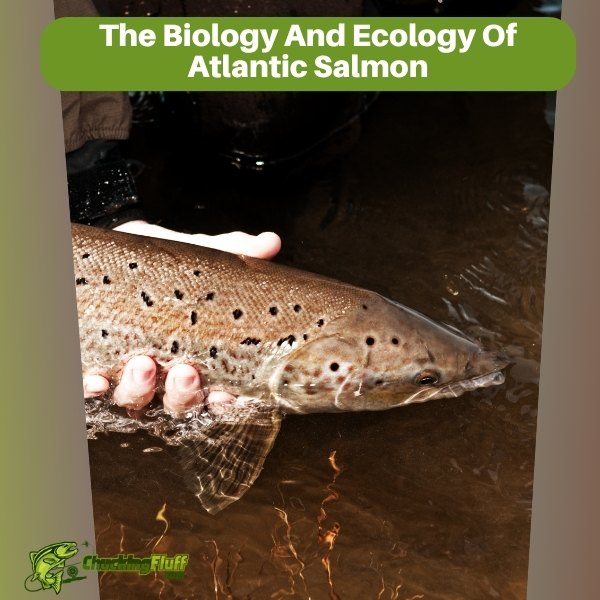
Picture a sleek, torpedo-shaped fish slicing through the water, its scales shimmering like polished silver. Atlantic salmon have a streamlined body, typically 28 to 30 inches long, though some giants can reach over 4 feet. Their silvery sides, dotted with black spots, blend seamlessly with the ocean’s depths, while their bellies gleam white, perfect for hiding from predators below. During spawning, males develop a hooked jaw called a “kype,” giving them a fierce, almost dragon-like appearance. Their fins, especially the adipose fin—a small, fleshy fin near the tail—are a hallmark of salmonids. Isn’t it amazing how nature crafts such a perfect balance of beauty and function?
Habitat Preferences
Atlantic salmon are picky about their homes, and who can blame them? They thrive in cold, oxygen-rich waters, favoring pristine rivers and streams for spawning and the open Atlantic Ocean for their adult lives. From the rocky rivers of Maine to the fjords of Norway, these fish seek out clean, gravelly riverbeds for laying eggs and deep, chilly ocean waters for feeding. Their ability to switch between freshwater and saltwater is like a superpower, requiring a body that can adapt to drastic changes in salinity. Imagine moving from a cozy cabin to a bustling city and back again—Atlantic salmon do this effortlessly.
The Life Cycle of Atlantic Salmon
The life of an Atlantic salmon is a saga of transformation, filled with plot twists and daring adventures. From egg to adult, their journey is a testament to nature’s ingenuity. Let’s break it down.
Egg Stage: The Beginning of Life
It all starts in a shallow riverbed, where a female salmon digs a nest, or “redd,” with her tail. She lays thousands of tiny, orange eggs, each no bigger than a pea, which the male fertilizes. Buried under gravel, these eggs are like little time capsules, waiting out the winter. For 3 to 6 months, they incubate, relying on cold, oxygen-rich water to survive. It’s a vulnerable time—floods, predators, or pollution could spell disaster. Yet, within each egg, a tiny life is forming, ready to burst into the world.
Alevin and Fry: The Early Days
Once spring arrives, the eggs hatch into alevin, tiny fish with yolk sacs attached to their bellies. These sacs are like built-in lunchboxes, providing nutrients for weeks as the alevin hide among the gravel. As they grow, they become fry, venturing out to hunt for microscopic prey like zooplankton. At this stage, they’re only a couple of inches long, darting through the shallows like kids on a playground. Predators like birds and larger fish are always lurking, so survival is a game of stealth and speed.
Parr and Smolt: Preparing for the Sea
As fry grow, they transform into parr, marked by dark vertical bands called “parr marks” that camouflage them against the riverbed. For 1 to 3 years, parr feed on insects and small crustaceans, building strength for their next big leap. When the time comes, they undergo a dramatic change called smoltification, where their bodies prepare for saltwater life. Their silvery scales brighten, and their physiology shifts to handle the ocean’s salinity. It’s like a teenager getting ready to leave home, trading their river life for the open sea.
Adult Stage: The Ocean Odyssey
Now fully smolts, Atlantic salmon head to the ocean, where they’ll spend 1 to 4 years growing into adults. In the Atlantic’s vast expanse, they roam as far as Greenland’s waters, feasting on fish and crustaceans. They can gain up to 10 pounds a year, their bodies becoming sleek and powerful. But the ocean isn’t just a buffet—it’s a gauntlet of predators like seals and sharks. Those that survive return to their natal rivers with an almost supernatural sense of direction. Isn’t it mind-blowing that a fish can find its way back to the exact stream where it was born?
Ecological Role of Atlantic Salmon
Atlantic salmon aren’t just fish; they’re ecological architects, shaping the environments they inhabit. Their presence ripples through ecosystems, affecting everything from riverbeds to forests.
Keystone Species in Ecosystems
Think of Atlantic salmon as the glue holding their ecosystems together. As a keystone species, they influence the health of rivers and oceans. Predators like bears, eagles, and otters rely on them for food, while their migrations connect freshwater and marine environments. Without salmon, entire food webs could unravel, like a tapestry losing its threads. Their role is so vital that protecting them means protecting countless other species.
Nutrient Cycling in Rivers
When salmon return to rivers to spawn, they bring a gift from the ocean: nutrients. Their bodies, rich in marine-derived nitrogen and phosphorus, fertilize rivers when they die after spawning. This nutrient boost fuels algae growth, which feeds insects, which in turn feed other fish and birds. It’s like salmon are throwing a nutrient party for the whole ecosystem, ensuring rivers stay vibrant and productive.
Migration Patterns: An Epic Journey
If salmon could write memoirs, their migration stories would be bestsellers. Their journeys are feats of endurance and navigation that rival any epic tale.
From River to Ocean and Back
Atlantic salmon embark on migrations that span thousands of miles. Born in freshwater rivers, they swim to the ocean as smolts, sometimes traveling over 6,000 miles to feeding grounds in the North Atlantic. After years at sea, they return to their exact birthplace to spawn, navigating rapids, waterfalls, and even human-made obstacles like dams. It’s a round-trip journey that tests their strength and determination, like a hero’s quest in a watery realm.
How do salmon find their way home? It’s like they have a built-in compass and map. Scientists believe they use a combination of magnetic fields, the sun’s position, and their keen sense of smell to detect chemical cues from their natal rivers. Imagine sniffing your way back to your childhood home after years away—salmon do this with uncanny accuracy, often returning to within a few yards of their birthplace.
Diet and Feeding Habits
What fuels these incredible fish? Atlantic salmon are opportunistic feeders, adapting their diet to their environment and life stage.
What Do Atlantic Salmon Eat?
In rivers, young salmon munch on insects, larvae, and small crustaceans, snapping up whatever drifts by. In the ocean, adults become voracious predators, feasting on herring, capelin, and shrimp. Their diet is like a buffet that shifts with their surroundings, ensuring they get the energy needed for growth and migration. Ever wonder how a fish can pack on pounds so fast? It’s all about the protein-rich ocean menu.
Feeding Strategies Across Life Stages
Each life stage demands a different approach. Parr are like picky toddlers, targeting small prey in shallow waters. Smolts transition to a broader diet as they enter the ocean, while adults hunt in schools, using speed and teamwork to corral fish. Their adaptability is key, allowing them to thrive in diverse environments. It’s like they’ve mastered the art of dining in any setting, from a cozy stream to a five-star ocean feast.
Reproduction and Spawning
Spawning is the climax of a salmon’s life, a moment of creation that comes at a great cost. It’s a dance of instinct and survival, played out in the rivers where they were born.
Spawning Grounds
Female salmon choose shallow, gravelly riverbeds for their redds, where water flows steadily to oxygenate the eggs. These spawning grounds are like sacred sites, carefully selected for their safety and suitability. Males compete fiercely for access to females, displaying strength and agility. The process is a delicate balance—too much silt or pollution can smother the eggs, ending the cycle before it begins.
Mating Behaviors
Spawning is a spectacle of nature. Males flash their vibrant colors and kype to attract females, sometimes fighting rivals in dramatic showdowns. Females dig redds with powerful tail sweeps, laying eggs in batches while males release milt to fertilize them. After spawning, many salmon die, their bodies spent from the effort. But some, known as “kelts,” survive to spawn again, defying the odds in a remarkable encore.
Threats to Atlantic Salmon Populations
Despite their resilience, Atlantic salmon face a gauntlet of threats that have pushed many populations to the brink. The challenges are daunting, but understanding them is the first step to saving these fish.
Habitat Loss and Pollution
Dams, deforestation, and urban development have destroyed or fragmented salmon habitats. Rivers once teeming with salmon are now choked with sediment or polluted with chemicals. Imagine trying to raise a family in a home that’s constantly being renovated or flooded—it’s tough. Pollution from agriculture and industry further degrades water quality, making it harder for eggs and fry to survive.
Overfishing and Climate Change
Overfishing has decimated salmon stocks, with nets scooping up fish faster than they can reproduce. Climate change adds another layer of trouble, warming oceans and altering river flows. Warmer waters stress salmon, while rising sea levels threaten coastal habitats. It’s like the world is turning up the heat on these fish, both literally and figuratively, leaving them with fewer places to thrive.
Conservation Efforts for Atlantic Salmon
Hope isn’t lost for Atlantic salmon. Around the world, people are fighting to protect these iconic fish through innovative and passionate efforts.
Restoration Projects
From Maine to Scotland, restoration projects are breathing new life into salmon rivers. Dams are being removed, riverbanks restored, and hatcheries used to boost populations. These efforts are like giving salmon a second chance, rebuilding the homes they’ve lost. Volunteers, scientists, and communities work together, planting trees and cleaning rivers to create safe havens for spawning.
Sustainable Fishing Practices
Sustainable fishing is another piece of the puzzle. Quotas, gear restrictions, and aquaculture advancements reduce pressure on wild stocks. By choosing sustainably sourced salmon, consumers can play a role, too. It’s like voting with your wallet for a future where salmon thrive, ensuring that fishing doesn’t outpace nature’s ability to replenish.
Atlantic Salmon in Human Culture
Atlantic salmon have swum their way into our hearts and histories, shaping cultures and economies across the globe.
Historical Significance
For centuries, salmon have been revered by indigenous peoples, from the Native American tribes of the Northeast to the Celtic cultures of Europe. They were symbols of abundance and resilience, celebrated in stories and rituals. In medieval Europe, salmon were so valuable they were used as currency. Imagine paying your taxes with a fish—that’s the kind of star power salmon had.
Modern Economic Impact
Today, Atlantic salmon fuel economies through fishing, aquaculture, and tourism. In places like Norway and Canada, salmon farming is a billion-dollar industry, though it comes with environmental trade-offs. Anglers flock to rivers for the thrill of catching a wild salmon, boosting local businesses. The fish’s economic clout is undeniable, but it’s their ecological and cultural legacy that truly makes them priceless.
Conclusion: Why Atlantic Salmon Matter
Atlantic salmon are more than just fish—they’re symbols of nature’s complexity and resilience. From their epic migrations to their role as ecosystem engineers, they remind us how interconnected our world is. By understanding their biology and ecology, we can better appreciate the challenges they face and the urgent need to protect them. Whether it’s supporting conservation efforts, choosing sustainable seafood, or simply marveling at their journey, we all have a role to play. Let’s ensure that future generations can witness the silver flash of an Atlantic salmon leaping a waterfall, a testament to nature’s enduring magic.
FAQs About Atlantic Salmon
1. Why do Atlantic salmon migrate so far?
Atlantic salmon migrate to the ocean to feed and grow, taking advantage of the rich food sources there. They return to their natal rivers to spawn, using their incredible navigation skills to find the exact spot where they were born.
2. How long do Atlantic salmon live?
Their lifespan varies, but most live 4 to 8 years. This includes 1 to 3 years in rivers as juveniles, 1 to 4 years in the ocean, and the spawning phase, after which many die, though some survive to spawn again.
3. Are Atlantic salmon endangered?
Some populations, especially in parts of the U.S. and Europe, are endangered due to habitat loss, overfishing, and climate change. Conservation efforts are helping, but many stocks remain at risk.
4. How do Atlantic salmon affect the environment?
As a keystone species, they support predators and contribute nutrients to rivers when they die after spawning. Their presence helps maintain healthy ecosystems in both freshwater and marine environments.
5. Can I help conserve Atlantic salmon?
Absolutely! Support river restoration projects, choose sustainably sourced salmon, and advocate for policies that protect waterways. Every small action helps keep their populations thriving.

Why Leaders And Tippets Are The Unsung Heroes Of Fly Fishing
Fly Fishing Nymphing Techniques: A Beginner’s Guide
Best Wet Flies For Beginners In The UK
About Author
