
| Disclosure: Just to be open and honest the buttons and links you click on in the website will in most cases take you to another website where you can purchase the products I am reviewing. As an Amazon Associate I earn from qualifying purchases. |
Essential Fly Fishing Vest And Pack Accessories Every Beginner Should Have
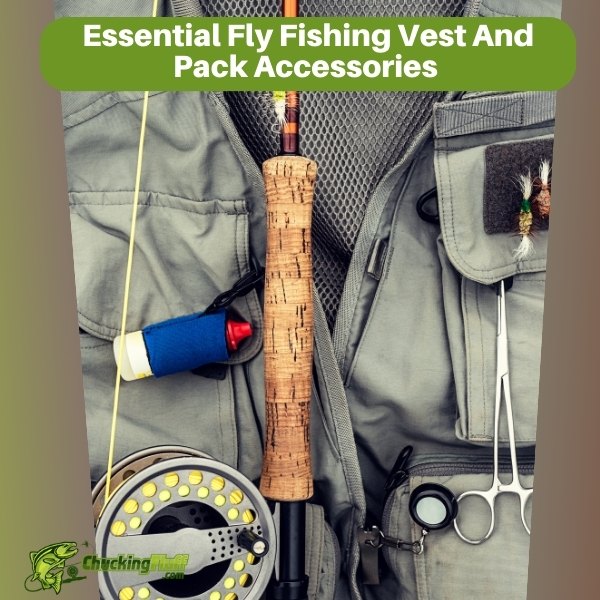
Fly fishing isn’t just about casting a line into the water and hoping for the best. It’s an art, a dance between you, the river, and the fish. As a beginner, you’re probably thrilled by the idea of standing knee-deep in a sparkling stream, rod in hand, ready to outsmart a trout. But here’s the thing: your success depends heavily on preparation, and that starts with your fly fishing vest or pack. These aren’t just accessories—they’re your mobile command center, holding everything you need to tackle the day’s challenges. So, what are the essential fly fishing vest and pack accessories every beginner should have? Let’s dive in and unpack the gear that’ll make your fishing trips smoother, safer, and more successful.
Why Fly Fishing Vests and Packs Matter for Beginners
Imagine heading out to fish without a plan, your pockets stuffed with random gear, and no idea where anything is when you need it. Sounds like a recipe for frustration, right? A well-equipped vest or pack is your lifeline on the water. It keeps your tools organized, accessible, and secure, letting you focus on the fish instead of fumbling for your forceps. For beginners, this is especially critical—you’re still learning the ropes, and the last thing you need is gear chaos distracting you from the moment a fish strikes.
The Role of Organization in Fly Fishing Success
Organization isn’t just about looking tidy; it’s about efficiency. When a fish is on the line, every second counts. You don’t want to dig through a jumbled pack for the right fly or tippet. A good vest or pack with multiple pockets and compartments lets you assign a place for every tool, so you can grab what you need without breaking your flow. Think of it like a chef’s kitchen: everything has its spot, and that precision makes all the difference when the pressure’s on.
Comfort and Mobility: Why Gear Accessibility Matters
Fly fishing often means long hours on your feet, wading through rivers or hiking to remote spots. A heavy, poorly designed vest or pack can turn a fun day into a sore, miserable slog. Lightweight materials, adjustable straps, and smart pocket placement ensure you can move freely and access your gear without awkward contortions. As a beginner, you’ll appreciate gear that feels like an extension of yourself, not a burden.
Core Accessories for Your Fly Fishing Vest or Pack
Now, let’s get to the good stuff: the must-have accessories that belong in every beginner’s vest or pack. These are the tools that’ll keep you prepared for whatever the river throws at you, from changing flies to managing your line.
Fly Boxes: Your Lure Library
Flies are the heart of fly fishing, and fly boxes are their home. These compact cases protect your flies and keep them organized by type, size, or fishing conditions. As a beginner, you don’t need a dozen boxes, but one or two high-quality ones are non-negotiable. They’re like your personal library of lures, ready to offer the perfect fly for any fishy situation.
Types of Fly Boxes for Different Needs
Not all fly boxes are created equal. Foam-lined boxes are great for dry flies, keeping them secure and easy to see. Slit foam designs work well for nymphs and smaller flies, while compartment boxes are ideal for larger streamers or wet flies. Waterproof boxes are a lifesaver if you’re fishing in rain or prone to slipping into the water (we’ve all been there). Start with a versatile, medium-sized box that can handle a mix of fly types.
How to Organize Your Fly Boxes
Organization is key to avoiding mid-river frustration. Sort your flies by type—dry flies, nymphs, streamers—and consider grouping them by size or color. For example, keep your size 12 Adams dry flies separate from your size 16 midges. Label sections if your box allows, and always keep a few “go-to” flies in an easy-to-reach spot for quick changes. Pro tip: check your boxes before every trip to ensure you’re stocked and ready.
Tippet and Leader Materials: The Invisible Connection
Your tippet and leader are the unsung heroes of fly fishing, connecting your fly to your line with near-invisible precision. As a beginner, you’ll want a range of tippet sizes (3X to 6X is a good start) to match different flies and conditions. Leaders in 7.5 to 9 feet are versatile for most freshwater fishing. Store them in small spools or coils in a dedicated pocket to keep them tangle-free and ready for action.
Forceps and Nippers: Precision Tools for Quick Fixes
Forceps and nippers are your hands’ best friends on the water. Forceps help you remove hooks from fish (or, occasionally, your own clothing) with minimal harm, while nippers trim tippet and leader material cleanly. Look for sturdy, rust-resistant forceps with a locking mechanism and sharp, compact nippers that clip easily. Attach them to your vest with a retractor for instant access.
Floatant and Sinkant: Controlling Fly Behavior
Ever wonder how dry flies stay on the water’s surface or how nymphs sink just right? That’s where floatant and sinkant come in. Floatant (available as gel, powder, or spray) keeps dry flies buoyant, while sinkant helps nymphs or wet flies drop below the surface. Keep small bottles of each in an easy-to-reach pocket, and apply them sparingly to avoid overdoing it. These little potions are like magic for controlling your fly’s performance.
Safety and Comfort Accessories
Fly fishing is an outdoor adventure, and that means exposure to the elements. These safety and comfort accessories will keep you protected and focused, so you can fish longer and enjoy every minute.
Sunscreen and Lip Balm: Protecting Your Skin
Standing in the sun for hours, with water reflecting UV rays, is a recipe for a sunburn. Pack a small tube of SPF 30+ sunscreen and reapply every few hours, especially on your face, neck, and hands. Don’t forget lip balm with SPF—chapped, sunburned lips are no fun when you’re trying to focus on a cast. These small items tuck easily into a vest pocket and make a big difference.
Polarized Sunglasses: See the Fish, Save Your Eyes
Polarized sunglasses are a game-changer for fly fishing. They cut through water glare, letting you spot fish, rocks, and underwater hazards. Plus, they protect your eyes from stray hooks and UV damage. Choose a sturdy pair with a strap to keep them secure, and store them in a protective case when not in use. Trust me, once you see a trout lurking in the shadows, you’ll never fish without them.
First Aid Kit: Be Prepared for Minor Mishaps
Rivers are beautiful but slippery, and hooks have a way of finding skin. A compact first aid kit with bandages, antiseptic wipes, and tweezers is a must. You can buy a pre-made kit or assemble your own in a small, waterproof container. Keep it in a dedicated pocket, and hope you never need it—but you’ll be glad it’s there if you do.
Convenience and Utility Accessories
These accessories aren’t strictly essential, but they make your fishing life so much easier. Think of them as the cherry on top of your fly fishing sundae.
Water Bottle and Hydration Systems: Stay Refreshed
Dehydration sneaks up fast when you’re focused on fishing. A collapsible water bottle or a small hydration pack fits neatly into a vest or pack and keeps you refreshed. Look for one with a clip or loop to secure it, so it’s not bouncing around while you wade. Bonus points for insulated bottles that keep your water cool on hot days.
Multi-Tool or Knife: The All-Purpose Problem Solver
A multi-tool or small knife is like a Swiss Army knife for fly fishing. Use it to cut line, trim branches, or open a stubborn snack package. Choose a compact, lightweight model with a clip to keep it handy. Stainless steel is best to resist rust, and a simple blade with a few extras (like a screwdriver or bottle opener) covers most needs.
Waterproof Phone Case: Keep Your Tech Safe
Your phone is your camera, map, and emergency lifeline, but water and electronics don’t mix. A waterproof phone case lets you snap photos of your catch or check a fishing app without worrying about a splash. Look for one with a lanyard or clip to keep it secure, and test it before your trip to ensure it’s truly watertight.
Optional but Useful Add-Ons
These accessories aren’t must-haves, but they can elevate your fishing game as you gain experience. Consider adding them as your skills grow.
Net and Net Holster: Landing Fish with Ease
A landing net makes it easier to scoop up fish without harming them or losing your catch. Look for a lightweight net with a rubberized mesh to protect fish scales. A net holster attaches to your vest or pack, keeping the net out of the way but ready when you need it. It’s a small investment for smoother, more ethical catches.
Line Clippers and Knot-Tying Tools: Speed Up Your Setup
Line clippers are like nippers but designed specifically for cutting fly line cleanly. Knot-tying tools help you tie perfect knots quickly, which is a lifesaver when you’re learning the ropes. Both are small enough to fit in a vest pocket and can save you time and frustration on the water.
Gear Retractors: Never Lose Your Tools
Ever dropped a nipper in the river and watched it sink? Gear retractors prevent that heartbreak. These small, spring-loaded devices clip to your vest and tether your tools, so they’re always within reach but secure. They’re especially handy for forceps, nippers, or floatant bottles you use often.
How to Choose the Right Vest or Pack for Your Accessories
Your accessories are only as good as the vest or pack carrying them. Choosing the right one is like picking the perfect backpack for a hike—it needs to fit your style and needs.
Vest vs. Pack: Which Suits Your Style?
Vests are traditional, with lots of pockets for quick access and a classic fly fishing vibe. They’re great for warm weather and wading. Packs, like sling packs or backpacks, offer more storage and are ideal for long treks or carrying extra gear. Try both to see what feels right—vasts suit those who like everything at their fingertips, while packs are better for hikers or minimalist anglers.
Key Features to Look for in a Fly Fishing Vest or Pack
Look for lightweight, breathable materials like mesh for vests or durable nylon for packs. Multiple pockets with secure closures (zippers or Velcro) are a must. Adjustable straps ensure a snug fit, and D-rings or loops let you attach retractors or nets. Waterproof or water-resistant options are a bonus for rainy days or accidental dunks.
Tips for Packing Your Vest or Pack Efficiently
A well-packed vest or pack is like a well-played chess game—every move is strategic. Here’s how to do it right.
Prioritizing Accessibility for Frequently Used Items
Put your most-used items—like fly boxes, nippers, and floatant—in easy-to-reach pockets. Less frequently used gear, like your first aid kit or extra tippet, can go in deeper compartments. Practice grabbing items without looking to build muscle memory for those high-pressure moments.
Balancing Weight and Load for All-Day Comfort
Overpacking is a rookie mistake. Spread weight evenly across your vest or pack to avoid strain. Keep heavier items (like water bottles) close to your body to reduce swaying. Aim for a load you can carry comfortably for hours, and leave non-essentials at home.
Conclusion: Building Your Fly Fishing Foundation
Equipping your fly fishing vest or pack is like assembling a toolbox for an adventure. Each accessory, from fly boxes to sunscreen, plays a role in making your time on the water more enjoyable and productive. As a beginner, focus on the essentials—fly boxes, tippet, forceps, and safety gear—then add convenience items as you grow. Choose a vest or pack that fits your style, pack it smartly, and you’ll be ready to tackle any river with confidence. So, gear up, hit the water, and let your fly fishing journey begin!
FAQs About Fly Fishing Vest and Pack Accessories
1. What’s the most important accessory for a beginner’s fly fishing vest?
Fly boxes are the top priority. They keep your flies organized and protected, ensuring you’re ready for any fishing scenario.
2. Should I choose a vest or a pack as a beginner?
It depends on your style. Vests are great for quick access and warm weather, while packs suit longer trips or minimalist anglers. Try both to see what feels best.
3. How many fly boxes do I need as a beginner?
Start with one or two versatile boxes—one for dry flies and one for nymphs or streamers. Expand as your fly collection grows.
4. Are polarized sunglasses really necessary for fly fishing?
Absolutely. They reduce glare, help you spot fish, and protect your eyes from hooks and UV rays. They’re a game-changer.
5. How do I keep my vest or pack from getting too heavy?
Prioritize essentials, spread weight evenly, and place heavier items close to your body. Regularly review your gear to leave non-essentials behind.

Best Eco-friendly Fly Fishing Gear For Beginners
Organizing Your Flies: The Importance Of Fly Boxes
The Biology And Ecology Of Rainbow Trout
About Author
