
| Disclosure: Just to be open and honest the buttons and links you click on in the website will in most cases take you to another website where you can purchase the products I am reviewing. As an Amazon Associate I earn from qualifying purchases. |
Exploring Different Fly Vest And Pack Brands
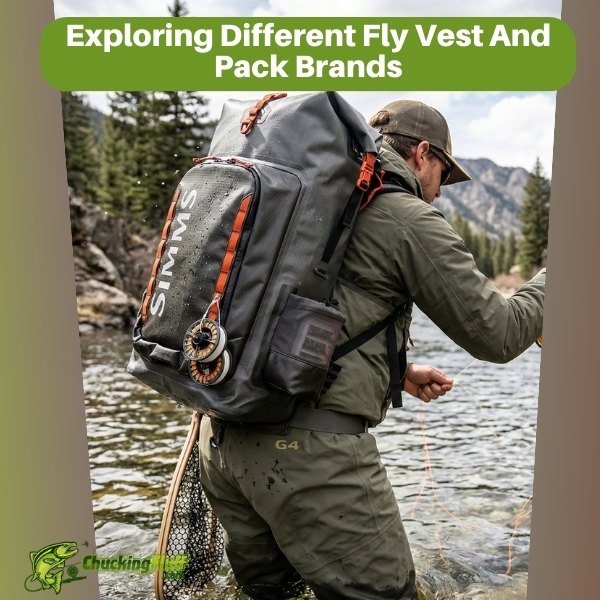
Hey there, fellow angler! If you’re anything like me, the thrill of fly fishing isn’t just in the cast or the take—it’s in feeling completely dialed in, with every fly, tippet spool, and tool right where you need it, without the hassle. That’s why diving deep into fly vests and packs is so rewarding. These pieces of gear are your mobile headquarters on the river, and picking the right one can transform a frustrating day into pure magic.
In this expanded guide, we’ll explore the landscape of fly vests and packs in detail. We’ll break down what makes gear stand out, spotlight top brands with real-world insights, compare vests versus packs head-to-head, share maintenance secrets, peek at emerging trends, and wrap up with practical advice to help you choose. Whether you’re wading tight creeks, hiking to high alpine lakes, or battling wind on big rivers, there’s something here for you.
Picture this: You’re mid-riffle on a crisp morning, trout rising like clockwork, and you need to swap flies fast. No digging through a jumbled bag—just reach, grab, tie on, and cast. That’s the beauty of a well-designed fly vest or pack. These aren’t just storage; they’re extensions of your fishing style, balancing weight, accessibility, and freedom of movement.
Fly vests have been the classic choice for decades, hugging your body with pockets galore for that “everything at your fingertips” feel. Packs, especially slings, waist, and hybrids, have exploded in popularity lately because they cut bulk, improve airflow, and let you move like you’re unencumbered. In 2026, the lines are blurring—many top options combine vest-like organization with pack versatility.
Quick Post Navigation
- Introduction to Fly Vests and Packs
- Key Features to Look For in Fly Gear
- Top Fly Vest Brands
- Leading Fly Pack Brands
- Comparing Vests vs. Packs: Which is Right for You?
- Maintenance and Care Tips
- Trends in Fly Fishing Gear
- Conclusion
- The Philosophy of the Modern Angler’s “Office”
- Simms: The Engineering Powerhouse
- Fishpond: The Sustainable Innovators
- Patagonia: Ethical Performance and Minimalist Soul
- Orvis: Merging Heritage with Modern Utility
- Umpqua and the “Zero Sweep” (ZS2) Evolution
- Technical Deep-Dive: Fabrics and Fasteners in todays Market
- The Final Verdict: Which Style Suits Your Stream?
- Frequently Asked Questions (FAQs)
Introduction to Fly Vests and Packs
Fly fishing demands gear that’s intuitive. You can’t afford to pause your rhythm searching for a #18 parachute Adams or your nippers. Vests and packs solve this by turning your torso or hip into a floating workbench.
What Makes a Great Fly Vest?
A top-tier vest feels like second skin. It distributes weight evenly across your shoulders and chest so you forget you’re wearing it after the first hour. Breathable mesh panels vent heat on muggy days, while padded straps prevent digging in during long wades. Pockets vary in size: deep ones swallow fly boxes, zipped security pockets guard your phone and wallet, and magnetic or Velcro spots hold tools for lightning swaps. Imagine it as your personal tackle shop—organized chaos that works.
Durability matters too. High-end vests use ripstop fabrics treated for water resistance, shrugging off splashes and snags from alder branches. Many now incorporate recycled materials, blending toughness with conscience.
The Rise of Fly Packs
Packs have surged because modern anglers prioritize mobility. Traditional vests can feel restrictive during aggressive casts or bushwhacking to prime water. Enter sling packs (worn across the body), waist/hip packs (like upgraded fanny packs), and lightweight backpacks.
Slings swing to your front for access then slide back, staying out of casting lanes. Waist packs hug low for balance on uneven terrain. Backpacks handle heavy loads for multi-day trips. In recent years, waterproof models with submersible zippers have become game-changers—your gear stays bone-dry even after a slip.
The shift reflects broader trends: lighter loads, better ergonomics, and adaptability to varied fishing styles, from minimalist brook trout hunts to gear-intensive steelhead floats.
Key Features to Look For in Fly Gear
Don’t buy blind—focus on these essentials to match gear to your needs.
Material and Durability
Ripstop nylon or Cordura dominates for tear resistance. Waterproof coatings (like TPU laminates) keep contents safe in downpours. Look for reinforced stress points—seams, zippers, and straps take the brunt. Lightweight doesn’t mean flimsy; premium fabrics balance ounces with bombproof construction.
Sustainability is huge now—brands use recycled polyester and bluesign-approved dyes, reducing environmental footprint without sacrificing performance.
Storage and Organization
Smart storage separates great gear from average.
Pockets and Compartments
Seek variety: large main pockets for boxes, small zippered ones for leaders, stretch-mesh for water bottles or sunglasses. Vertical-access pockets speed things up—no fumbling horizontally. Some include dedicated tippet dispensers or foam fly patches for quick dries.
Attachment Points
D-rings, loops, and magnetic tool holders are lifesavers. Clip hemostats or floatant externally. Net holders keep your landing net ready. Modular designs let you add pouches for customization.
Comfort and Fit
Fit trumps everything. Adjustable sternum straps and waist belts fine-tune load distribution. Padded yokes ease shoulder pressure. Mesh backs promote airflow—crucial in summer. Gender-specific cuts (narrower shoulders for women, broader for men) prevent bunching. Try before buying if possible; a poor fit ruins long days.
Top Fly Vest Brands
These brands consistently top reviews for quality and innovation.
Orvis: Timeless Quality
Orvis blends heritage with modern tweaks. The Ultralight Vest shines for its featherweight design—perfect for hot days or long hikes—while the Clearwater Mesh offers breathable pockets without bulk. Pro Vests add premium touches like ergonomic padding and UV protection. Orvis gear feels refined, with thoughtful layouts that reward frequent use. If you value reliability and classic style, Orvis rarely disappoints.
Simms: Built for the Elements
Simms sets the bar for hardcore performance. The Guide Vest remains a favorite—durable, quick-drying, with corrosion-resistant zippers for saltwater or wet climates. Pockets are strategically placed for efficiency, and mesh venting keeps you cool. The Flyweight offers lighter options without skimping on features. Simms gear endures abuse; many anglers report 10+ years of heavy use. It’s premium-priced, but you pay for longevity and comfort in brutal conditions.
Patagonia: Eco-Friendly Innovation
Patagonia leads with sustainability—recycled fabrics, fair labor, environmental givebacks. The Stealth Vest/Convertible is minimalist yet functional, with vertical pockets for fast access and a low-profile fit. Breathable, packable, and ethical, it’s ideal if green values matter. Patagonia’s designs prioritize movement; you feel unhindered casting or scrambling banks.
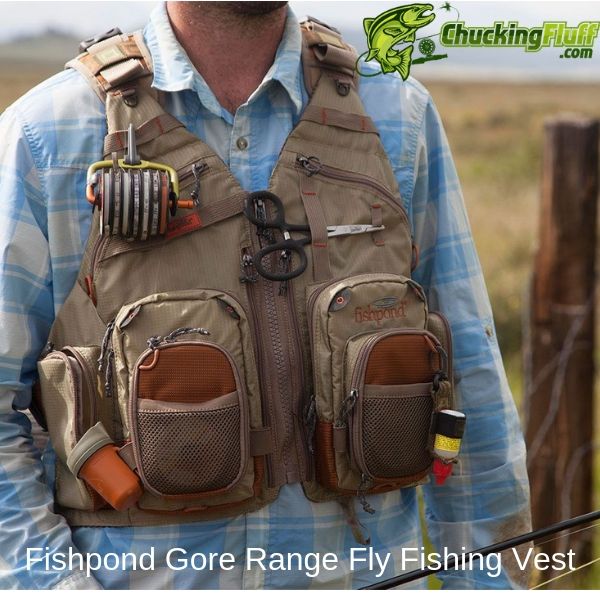
Other standouts include Fishpond’s Sagebrush Pro—praised for fit, features, and value in recent tests.
Leading Fly Pack Brands
Packs dominate for versatility in 2026.
Fishpond: Versatile and Rugged
Fishpond excels in rugged, thoughtful designs. The Thunderhead series (sling or submersible) offers waterproofing that’s truly submersible—great for accidental dunks. Modular attachments and ergonomic straps make them adaptable. The Sagebrush line extends to vests, but packs like the Flathead or Thunderhead win for capacity without weight penalty. Fishpond feels innovative yet practical.
Umpqua: Smart Design for Anglers
Umpqua focuses on angler-centric features. The Switch series (ambidextrous for lefties/righties) and NorthFork waist packs provide quick access. Magnetic closures and ventilated straps add comfort. Umpqua packs balance storage with low profile—ideal for technical fishing where bulk hinders casts.
Vedavoo: Custom and Handcrafted
Vedavoo offers USA-made, customizable options. The Seam or Beast slings use heavy-duty materials with leather accents for style. Tailor pockets, colors, and straps—perfect for personalization. Handcrafted quality stands out; it’s gear with character.
Other notables: Orvis Guide Sling for all-around excellence, Simms Dry Creek for waterproof reliability, Patagonia Guidewater/Stealth Switch for eco-mobility.
Comparing Vests vs. Packs: Which is Right for You?
Vests vs. packs boils down to priorities.
Pros and Cons of Fly Vests
Pros: Even weight distribution, instant front access, tons of pockets, traditional feel many love. Great for standing wades or gear-heavy days.
Cons: Can overheat, restrict arm swing, feel bulky hiking.
Best for: Stationary or moderate-movement fishing, like tailwaters or spring creeks.
Pros and Cons of Fly Packs
Pros: Superior mobility, better ventilation, swing-access without bulk, easier for hikes or active wading.
Cons: Uneven load (sling shoulder fatigue), less pocket variety, potential swing during casts.
Best for: Walking/hiking to spots, warm climates, minimalist setups.
Scenario-Based Choices
- Tight, brushy streams → Pack for freedom.
- All-day wading with lots of flies → Vest for organization.
- Back issues → Pack to shift load.
- Multi-day trips → Backpack hybrids.
- Flats/saltwater → Waterproof slings.
Many now go hybrid—vest-pack combos for best of both.
Maintenance and Care Tips
Quality gear lasts with care.
Cleaning Your Gear
Rinse mud/salt after trips with fresh water. Mild soap for stains; avoid harsh chemicals stripping DWR. Spot-clean pockets. Air-dry shaded—no dryer heat warps fabrics or zippers.
Storage Best Practices
Hang vests to retain shape. Empty pockets (forgotten snacks attract pests). Cool, dry storage; use desiccant for humidity. Lubricate zippers occasionally. Inspect seams annually—catch issues early.
Trends in Fly Fishing Gear
2026 sees evolution.
Sustainability in Design
Recycled materials, bluesign certifications, plant-based elements standard. Brands minimize impact while delivering performance.
Tech Integration and Lightweight Modular
Modular systems swap components. Lighter fabrics, better ventilation. Waterproofing advances (submersible zippers). Some integrate hydration or tool docks seamlessly.
Minimalist, conditions-specific designs rise—gear tailored to cold, warm, or wet.
Conclusion
Fly vests and packs are more than accessories—they shape your experience. Classics like Simms Guide and Orvis Ultralight offer proven reliability, while innovators like Patagonia Stealth, Fishpond Thunderhead, and Umpqua Switch bring modern mobility and eco-smarts. Weigh your fishing style: heavy organization or lightweight freedom? Prioritize fit, durability, and features that match your waters.
Test gear when possible, invest in quality for longevity, and maintain it well. The right choice means more focus on fish, less on fumbling. Get out there—rivers are calling, and your perfect setup awaits. Tight lines!
FAQs
What’s better in 2026: traditional vest or modern sling pack? It depends—vests excel for even weight and pocket access during wading; slings win for mobility, ventilation, and hiking. Many top picks lean sling for versatility.
Are premium brands like Simms or Patagonia worth the extra cost? Absolutely for frequent anglers. Superior materials, fit, and durability mean fewer replacements and better comfort over years of hard use.
How do I prevent shoulder fatigue with sling packs? Choose padded, adjustable straps; alternate shoulders if possible. Look for balanced designs like ambidextrous models or those with sternum support.
What’s the best waterproof option for rainy or wading-deep trips? Fishpond Thunderhead series or Simms Dry Creek—submersible zippers and welded seams keep gear dry even submerged.
Can I customize or repair these brands easily? Vedavoo offers strong customization. Most (Simms, Orvis, Patagonia) have good warranties and repair programs—contact them for fixes to extend life.
The Philosophy of the Modern Angler’s “Office”
Think of your fly fishing vest or pack as your floating office. When you’re in the middle of a heavy hatch, efficiency is your best friend. Every second spent digging for a leader or untangling a nipper from a loose strap is a second you aren’t casting.
The “perfect” pack doesn’t exist in a vacuum; it exists in the context of your environment. A high-mountain creek requires a different setup than a drift boat on the Madison or a salt flat in Belize. In 2026, the trend has shifted toward modularity. Anglers no longer want one bag for everything. They want systems—chest packs that clip onto backpacks, and hip packs that can survive a dunking in a Caribbean squall.
Simms: The Engineering Powerhouse
If there is a Mount Rushmore of fly fishing gear, Simms is carved right into the center of it. Based in Bozeman, Montana, they have the ultimate testing ground in their backyard.
The G3 Guide Vest: 24 Pockets of Perfection
The G3 Guide Vest is the gold standard for a reason. In 2026, it remains the most storage-dense garment on the market. It features a ventilated, padded collar that prevents the weight of two dozen fly boxes from digging into your neck. The standout feature is the compression-molded fly bench, which acts as a tiny, rigid table when zipped down—perfect for rigging up a two-fly nymph system in a stiff wind.
Simms Flyweight Series: The Fast & Light Revolution
For the angler who treats fishing like an Olympic sport, the Flyweight series is a game-changer. Using a proprietary 150-denier robic nylon, these vests and packs are roughly 30% lighter than traditional gear. They use a “PALS” (Pouch Attachment Ladder System) similar to military gear, allowing you to customize where your water bottle, net, and pliers sit.
Fishpond: The Sustainable Innovators
Fishpond has successfully merged “cool” with “conscientious.” They were the first major brand to move entirely toward recycled fabrics, specifically their Cyclepond nylon made from reclaimed commercial fishing nets.
Thunderhead Submersible: The Dry-Bag Gold Standard
If you are a deep-wader, you know the heart-sinking feeling of a wave overtopping your waders. The Thunderhead Lumbar Pack uses a TIZIP® or TRU® Zip (the latest in 2026) that is 100% waterproof. You can submerge this pack completely, and your dry flies will stay dry. It’s “bombproof” construction is legendary among guides who need their gear to survive being tossed into truck beds and boat bottoms.
The Summit Sling 2.0: Managing Your Workstation
Slings are the middle ground of the fly world. The Summit Sling 2.0 is popular because it solves the “dangle” problem. It sits on your back while you cast, keeping your front clear. When you need a fly, one smooth motion brings the “workbench” to your chest. The 2026 model features an integrated net slot that actually stays put—no more “tail-slapping” your legs while you walk.
Patagonia: Ethical Performance and Minimalist Soul
Patagonia doesn’t release new gear every year just for the sake of it. When they do, it’s usually a masterclass in minimalism.
Stealth Series vs. Guidewater Series
The Stealth Pack is for the minimalist. It’s quiet, incredibly soft against the skin, and uses a 100% recycled polyester ripstop. In contrast, the Guidewater series is the “vault.” It is the lightest fully submersible pack Patagonia has ever made. The beauty of Patagonia is their Ironclad Guarantee—if a zipper fails after five years of hard use, they’ll fix it. That’s a level of sustainability that goes beyond just using recycled plastic.
Orvis: Merging Heritage with Modern Utility
Orvis has moved from being “your father’s fly shop” to a leader in technical innovation.
The PRO Vest: Innovation in Weight Distribution
The PRO Vest was designed with one specific goal: comfort. They used a “lofting” material in the shoulders that acts like a suspension system. For the angler who carries “everything and the kitchen sink,” this vest makes 15 lbs of gear feel like 5 lbs. It also features unique magnetic tool docks—you just bring your nippers near the vest, and click, they’re secure and out of the way.
Umpqua and the “Zero Sweep” (ZS2) Evolution
If you’ve ever had your fly line catch on a zipper pull during the cast of a lifetime, you understand why Umpqua’s Zero Sweep (ZS2) technology is brilliant. They have recessed all zippers and buckles so there is nothing for your line to snag on. Their Overlook ZS2 500 is arguably the best-designed chest pack are offering a tapered bottom so you can actually see your feet while navigating slippery rocks—a feature many other brands overlook.
Technical Deep-Dive: Fabrics and Fasteners in todays Market
IToday, we are seeing a shift away from “water-resistant” to “submersible.”
- TRU® Zip Technology: The first sliding, toothless, waterproof zipper. It’s silent and requires much less maintenance than the old metal TIZIPs.
- High-Tenacity Nylon: Brands are moving toward 630D and 840D nylon with TPU coatings, making gear virtually puncture-proof against thorns and stray hooks.
- Magnetic Closures: Replacing Velcro, which wears out and scares fish with its “crackle” sound.
The Final Verdict: Which Style Suits Your Stream?
- Choose a Vest (Simms G3 / Orvis PRO) if you value organization above all else and fish from a boat or stable banks.
- Choose a Sling (Fishpond Summit / Patagonia Stealth) if you hike long distances and want an unencumbered casting stroke.
- Choose a Lumbar Pack (Fishpond Thunderhead / Orvis Waterproof) if you fish in hot weather or deep water and want to keep your upper body cool.
- Choose a Chest Pack (Umpqua Overlook / Fishpond Canyon Creek) if you are a minimalist who wants “mission control” directly in front of you.
Fly fishing is an art of details. Your choice of a vest or pack is the frame that holds your art together. Choose the one that disappears when the sun starts to set and the trout start to rise.
Frequently Asked Questions (FAQs)
1. Is it better to have a waterproof pack even if I don’t wade deep? Yes. Waterproof packs protect against unexpected rain, boat spray, and accidental drops. It also makes cleaning easier—you can simply hose the mud off the outside without getting the interior wet.
2. How do I stop my sling pack from hurting my shoulder? Look for “ambidextrous” designs that allow you to switch shoulders. Also, ensure you use the “stabilizer strap” (the small strap that goes under your arm) to prevent the pack from shifting and pulling unevenly.
3. Why are some vests so much more expensive than others? You’re paying for two things: ergonomics (how the weight is distributed) and fabric durability. A top vest like the Simms G3 will likely last 15-20 years, whereas a budget vest may tear or lose zipper function in 2-3 seasons.
4. Can I attach a net to any of these packs? Most modern packs from Fishpond and Simms come with integrated “net slots.” If yours doesn’t, you can use a magnetic net release attached to the D-ring on the back of any vest or pack.
5. What is the benefit of “Zero Sweep” technology? “Zero Sweep” means all the tools (nippers, hemostats, etc.) are tucked into recessed ports. This prevents your fly line from catching on your gear, which is the #1 cause of “blown” casts when a fish is rising.
Best Vests Packs for Fly Fishing – Buyers Guide and Comparison
Best Breathable Chest Waders for Fly Fishing – Buyers Guide
Best Cold Weather Gloves for Fly Fishing – Keep Warm and Protected
About Author
