
| Disclosure: Just to be open and honest the buttons and links you click on in the website will in most cases take you to another website where you can purchase the products I am reviewing. As an Amazon Associate I earn from qualifying purchases. |
The Importance Of Properly Attaching Leaders And Tippets

Ever had that sinking feeling when a fish breaks your line right at the crucial moment? Or watched your lure drift unnaturally, spooking every fish in sight? If you’re a seasoned angler or just starting out, mastering leader and tippet connections is paramount. It’s the unsung hero of successful fishing trips. So, let’s dive into why this seemingly small detail can make a massive difference.
Quick Post Navigation
- Understanding Leaders and Tippets
- Why Proper Attachment Matters
- Essential Knots for Leader and Tippet Connections
- Step-by-Step Guide to Tying Key Knots
- Choosing the Right Leader and Tippet Materials
- Tools and Accessories for Leader and Tippet Management
- Advanced Techniques and Tips
- Common Mistakes to Avoid
- The Impact of Water Conditions and Fish Behavior
- Practical Applications and Scenarios
- Maintaining Rig Integrity Through Checks
- Conclusion:
- Frequently Asked Questions (FAQs)
Understanding Leaders and Tippets
Before we get into the knots and techniques, let’s clarify what leaders and tippets are and their roles.
What Are Leaders?
Leaders are sections of line that connect your main fishing line to your tippet. They are typically made from a material with lower visibility and higher abrasion resistance than your main line.
What Are Tippets?
Tippets are the final, often thinner, section of line that attaches directly to your lure or fly. They’re designed to be less visible to fish and to allow for natural lure movement.
The Role of Leaders and Tippets in Fishing
Leaders and tippets serve several crucial functions. They provide a buffer between your main line and the fish, reducing visibility and preventing line breakage. They also allow for a more natural presentation of your lure or fly, increasing your chances of a successful catch.
Why Proper Attachment Matters
It’s not just about tying any old knot. Proper attachment ensures your rig performs optimally.
Preventing Lost Fish
A poorly tied knot is the weakest link in your setup. By mastering essential knots, you can significantly reduce the risk of line breakage and lost fish. Think of it like building a bridge; a weak support beam will cause the whole structure to fail.
Ensuring Natural Lure Presentation
A bulky or poorly tied knot can interfere with the natural movement of your lure or fly. A clean, streamlined connection allows your lure to move freely, mimicking the natural behavior of bait.
Maintaining Line Strength and Integrity
Proper knots maintain the rated breaking strength of your line. Over-tightening or incorrect knot tying can weaken the line, making it more susceptible to breakage.
Essential Knots for Leader and Tippet Connections
Let’s get down to the nitty-gritty: the knots you need to know.
The Improved Clinch Knot
A versatile knot used for attaching lures and hooks to your tippet. It’s reliable and relatively easy to tie.
The Surgeon’s Knot
Ideal for joining two lines of similar diameter, such as your leader to your tippet. It’s quick and strong.
The Blood Knot
Another excellent knot for joining lines of similar diameter. It’s known for its clean, streamlined profile.
The Perfection Loop
Creates a strong loop at the end of your leader, allowing for easy attachment of tippets and other terminal tackle.
Step-by-Step Guide to Tying Key Knots
Let’s break down how to tie these essential knots.
Tying the Improved Clinch Knot: A Detailed Breakdown
- Pass the line through the eye of the hook or lure.
- Wrap the tag end around the standing line five to seven times.
- Pass the tag end through the small loop near the eye, then through the large loop you just created.
- Moisten the knot and pull both ends to tighten.
- Trim the tag end close.
Tying the Surgeon’s Knot: A Visual Guide
- Overlap the ends of the two lines you want to join.
- Tie a simple overhand knot with the doubled lines.
- Pass the doubled lines through the overhand knot a second time.
- Moisten and tighten the knot by pulling on all four ends.
- Trim the tag ends.
Tying the Blood Knot: Precision and Technique
- Overlap the ends of the two lines.
- Wrap one tag end around the other line five to seven times.
- Bring the other tag end back and wrap it around the first line the same number of times.
- Bring both tag ends back through the center of the wraps.
- Moisten and tighten the knot by pulling on the standing lines.
- Trim the tag ends.
Tying the Perfection Loop: For Leader Connections
- Form a loop with the tag end of your line.
- Cross the tag end over the standing line, creating a second loop.
- Pass the tag end around the standing line and through the first loop.
- Pull the tag end to tighten the loop.
Choosing the Right Leader and Tippet Materials
The material you choose can significantly impact your success.
Fluorocarbon vs. Monofilament Leaders and Tippets
- Fluorocarbon: Nearly invisible underwater, abrasion-resistant, and sinks faster.
- Monofilament: More buoyant, less expensive, and good for topwater presentations.
Selecting the Appropriate Diameter and Strength
Match the diameter and strength of your leader and tippet to the size and strength of the fish you’re targeting.
Matching Leader and Tippet to Target Species
Trout fishing requires delicate presentations with thin tippets, while bass fishing demands stronger leaders and tippets for heavy cover.
Tools and Accessories for Leader and Tippet Management
Having the right tools makes a difference.
Line Clippers and Knot Tyers
Essential for trimming tag ends and tightening knots.
Tippet Rings and Swivels
Help reduce line twist and make it easier to change tippets.
Leader Wallets and Organizers
Keep your leaders and tippets organized and tangle-free.
Advanced Techniques and Tips
Let’s level up your leader and tippet game with some advanced techniques.
Tapered Leaders and Their Benefits
Tapered leaders are designed with a gradual decrease in diameter from the butt section to the tippet. This design allows for smoother energy transfer during casting, resulting in more delicate and accurate presentations, especially in fly fishing. They also help turn over your fly more effectively.
Using Tippet Material to Extend Leader Lifespan
Instead of replacing your entire leader when the tippet becomes too short, simply add a new section of tippet material. This saves money and reduces waste.
Testing Knot Strength and Reliability
Always test your knots before casting. Apply steady pressure to ensure they hold. A quick, firm pull can save you the heartache of losing a fish.
Common Mistakes to Avoid
Even seasoned anglers make mistakes. Here’s what to watch out for.
Over-Tightening Knots
Over-tightening can weaken the line at the knot. Apply even pressure and avoid excessive force.
Using Damaged or Old Line
Old or damaged line can break easily. Regularly inspect your line for abrasions, nicks, or fraying. Replace it when necessary.
Neglecting to Wet Knots Before Tightening
Moistening the knot reduces friction and heat, which can weaken the line. Always wet your knots before tightening them.
The Impact of Water Conditions and Fish Behavior
Understanding how water conditions and fish behavior influence your setup is crucial.
Adjusting Leader and Tippet Lengths for Clarity
In clear water, use longer and finer leaders and tippets to minimize visibility. In murky water, shorter and stronger setups may be more effective.
Matching Tippet Size to Fish Size and Activity
Aggressive fish may require stronger tippets, while wary fish in clear water demand finer tippets for stealth. Consider both the size of the fish and their feeding behavior.
Practical Applications and Scenarios
Let’s look at how these techniques apply in different fishing situations.
Fly Fishing for Trout: Delicate Presentations
Use long, tapered leaders with fine tippets. Employ perfection loops and surgeon’s knots for clean connections. Focus on natural drift and minimal drag.
Bass Fishing: Heavy Cover and Strong Connections
Use shorter, stronger leaders and tippets. Employ improved clinch knots and palomar knots for secure connections. Focus on abrasion resistance and knot strength.
Saltwater Fishing: Dealing with Powerful Species
Use heavy-duty fluorocarbon leaders and tippets. Employ strong knots like the uni knot and improved clinch knots. Focus on shock absorption and knot strength to handle powerful runs.
Maintaining Rig Integrity Through Checks
Regular maintenance ensures your rig is always ready.
Regular Rig Checks During Fishing Sessions
Periodically check your knots and line for damage. Retie knots that show signs of wear. Inspect your tippet for abrasions after landing a fish.
Post Fishing Gear Inspection
After each trip, clean and inspect your leaders and tippets. Replace any damaged sections and store your gear properly.
Conclusion:
Mastering leader and tippet connections is a fundamental skill for any angler. It’s not just about tying knots; it’s about understanding how these connections impact your presentation, line strength, and ultimately, your success on the water. By choosing the right materials, tying strong knots, and adapting to different conditions, you can significantly enhance your fishing experience. So, grab your line, practice those knots, and get out there!
Frequently Asked Questions (FAQs)
Q: What is the best knot for joining fluorocarbon to monofilament?
A: The double uni knot (also known as the uni to uni knot) is excellent for joining fluorocarbon to monofilament. It maintains strength and is relatively easy to tie.
Q: How do I choose the right tippet size for my fly fishing?
A: Tippet size is denoted by an “X” number. Higher “X” numbers indicate thinner tippets. Match your tippet size to the size of your fly and the clarity of the water. For small flies and clear water, use finer tippets (e.g., 5X or 6X).
Q: Can I reuse leaders and tippets?
A: Yes, you can reuse them, but inspect them carefully for damage. Replace them if you notice any abrasions, nicks, or fraying. Tippets may become too short after multiple fly changes, requiring replacement or extension.
Q: What is the purpose of a tippet ring?
A: A tippet ring is a small, metal ring that you attach to the end of your leader. It allows you to quickly and easily change tippets without shortening your leader. It also helps to reduce line twist.
Q: How do I prevent line twist when using spinning gear?
A: Use swivels, especially when fishing with lures that tend to spin. Fill your spool correctly, and avoid overfilling. Choose lures that minimize line twist, and check your line regularly for twists.

Tips For Choosing The Right Fly Box For Your Needs

How To Clean And Maintain Your Fly Boxes – Avoid Mold
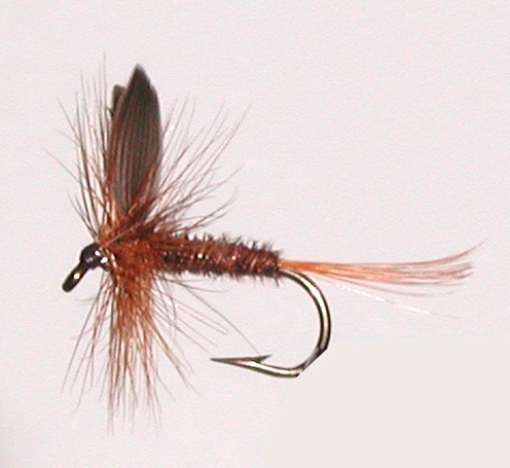
Dry Trout Fly Patterns
About Author
