
| Disclosure: Just to be open and honest the buttons and links you click on in the website will in most cases take you to another website where you can purchase the products I am reviewing. As an Amazon Associate I earn from qualifying purchases. |
Why Is A Fly Fishing Combo Good For Beginners?
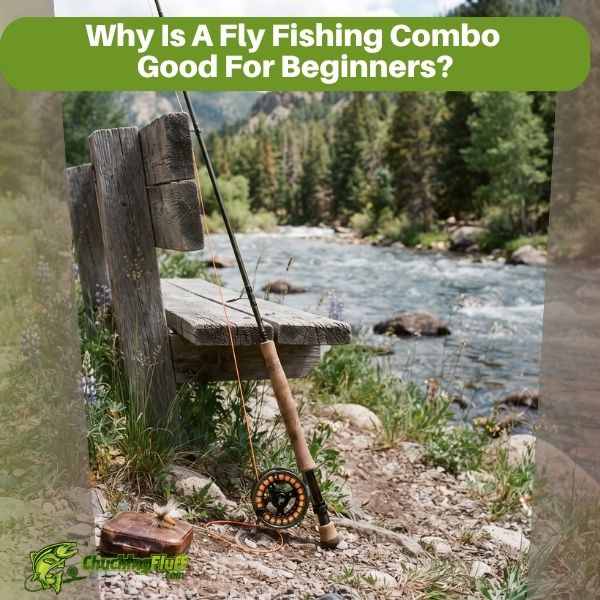
If you’re new to fly fishing, the sheer amount of gear and advice out there can feel overwhelming. One suggestion I always make to beginners is starting out with a fly fishing combo setup. A fly fishing combo is essentially a package deal that includes a fly rod, reel, fly line, and sometimes even leader or backing. Everything is designed to work smoothly together. This approach takes a lot of the guesswork out of getting started, saves money, and helps you spend more time actually fishing instead of puzzling over gear choices. In this article, I’ll break down why a fly fishing combo is a smart pick for folks who are just getting started, what to look for, and how to make the most of your setup.
What Is a Fly Fishing Combo?
A fly fishing combo is a ready-to-go set that bundles a fly rod, reel, preloaded fly line, and sometimes extras like a leader or carrying case. The main idea is simplicity; the pieces are matched by power and weight, so you don’t have to worry about tricky compatibility. Most combos are designed for beginners or folks who just want a convenient backup kit. You’ll often see them described by the rod length and weight rating, such as a 9-foot 5-weight combo. A solid combo removes a lot of friction from learning and lets you start casting right away.
Why Start With a Combo Instead of Separate Gear?
Trying to match a rod to a reel and then pick out the right line weight can end up confusing. I’ve watched plenty of new anglers get tripped up by all the specs. Fly fishing combos skip that clutter by coming matched and balanced right out of the box. This means you won’t end up with awkward setups that just don’t cast well. For most people beginning their fly fishing adventure, this approach brings a lot less stress and way more fun.
The upfront cost is usually lower, too, since combos are priced as a package deal. You save money, avoid decision fatigue, and if it turns out fly fishing isn’t your thing, you haven’t overinvested. Plenty of people stick with their starter combo for years or pass it along to a friend or family member later on.
Breaking Down the Benefits for Beginners
I remember how fussy gear choices felt starting out in fly fishing. Combos really step up the experience for those first few trips. Here’s why they’re so helpful:
- Matched Gear: No guessing whether your reel or line is the right size for your rod; it’s all chosen for you.
- Ready to Fish: Most combos come with the line already loaded on the reel, possibly with a leader attached—minimal prep is needed.
- More Affordable: Buying everything together usually saves cash compared to picking out each item separately.
- Simple Instructions: Combos often arrive with tip sheets or QR codes to beginner videos, so you’re not stuck wondering how to put everything together.
- No Specialized Knowledge Needed: If rod weights or line tapers make no sense yet, a standard setup covers all the basics for trout and most freshwater fishing.
What’s Usually Included in a Fly Fishing Combo?
Most combos stick with the essentials, though some do include a few extras. Here’s what you’ll usually find inside:
- Fly Rod: Usually graphite or composite, with a forgiving length and action. 8.5 to 9 feet is most common for freshwater setups.
- Fly Reel: Balanced with the rod to accept the right weight line.
- Fly Line: Most often a weightforward floating line, pre-spooled onto the reel.
- Backing: A thinner line underneath the fly line for added capacity, usually pre-installed.
- Leader: Tapered nylon or fluorocarbon, joined to the fly line using a loop-to-loop connection.
- Case or Tube: Some combos provide a rod tube or bag for travel and storage.
- Extras: You may get a few flies, a box, a basic tool, or a beginner’s booklet.
This pack-and-go format is pretty handy and ensures you’re not making extra trips to the store for missing pieces.
How Combos Help You Learn Casting Faster
Every fly fishing combo I’ve tried tends to use beginnerfriendly rod actions. That makes a world of difference when you’re learning the basics. A rod that’s too stiff or limp can make casting harder, especially when you’re still getting the hang of things. The rods in combos are nearly always medium or mediumfast action, a good middle ground. You’ll feel the rod flex and load without it being wobbly. This feedback is super important when teaching yourself to cast. And because the whole setup is balanced, shooting line feels smooth, not awkwardly heavy toward either the tip or the handle.
Working with balanced gear allows you to focus on your timing and style without fighting the rod or wishing for a different reel. That confidence helps you stick with fly fishing long enough to actually catch fish and enjoy your time on the water.
Common Types of Combos for Beginners
You’ll find a variety of combos aimed at new fly anglers. Here are the main types I’ve seen:
- Trout Combos: Usually 9-foot 5-weight rods with floating line. Great for creeks, rivers, and lakes for average trout, bass, and panfish.
- Panfish/Bass Combos: Often 8 to 8.5-foot, 5 to 6-weight setups. Comfortable for casting bugs and poppers to bluegill or small bass.
- Youth Combos: Shorter rods (6 to 7 feet), lighter weights, which are easier for kids or smaller anglers to use.
- Travel/Pack Combos: 4-piece or even 6-piece rods, ideal if portability matters to you or for backpacking trips.
Any of these will work great for a beginner, and most brands build their combos to handle a wide range of freshwater fishing situations.
Picking the Right Combo: Key Factors to Consider
Spotting the best fly fishing combo for you is pretty straightforward, but a few details matter. Here’s what to look for:
- Weight Rating: For beginners, a 5-weight setup is the go-to choice. It casts well, isn’t too heavy, and handles trout, bass, and sunfish easily. Only fishing for small panfish? A 4-weight works. Bigger bass or carp? Consider a 6-weight.
- Rod Length: 9-foot rods are ideal for learning and general use; they offer solid casting distance and control.
- Rod Action: Medium or mediumfast action rods let you learn timing and accuracy with a forgiving flex.
- Case or Tube: A carry case is useful, particularly if you’ll travel or store your rod in the car.
- Warranty: Some combos come with a limited manufacturer warranty—always nice for peace of mind if you have early issues.
- Extras: Starter flies, nippers, or a simple fly box can be a bonus, but they aren’t necessary to get going.
Online reviews are a big help in getting a sense of how combos actually cast, especially if you’re shopping online and can’t make it to a fly shop in person.
Putting It Together: Assembling Your Combo
The setup process is usually quick and clear. Most combos come nearly ready to use. Here’s a typical checklist:
- Fit together the rod pieces, lining up the guides as marked.
- Secure the reel to the seat by tightening it until snug.
- Feed the fly line and leader through the guides from tip to handle.
- Double-check that the fly line and leader/tippet are joined with a loop-to-loop or nail knot.
- Add a fly; a size 12-16 dry fly, nymph, or small streamer is a safe bet for practice casting.
If you need extra guidance, see if there’s a quick start guide in the box or look up the manufacturer’s online instructions. I always enjoy helping friends get rigged up for their first cast; most folks figure everything out in just a few minutes.
Getting Comfortable: First Practice with Your Combo
Before heading to moving water, try some lawn casting. Combos are easygoing for this practice. Go through these steps:
- Grip the rod lightly and get used to moving it using a relaxed wrist.
- Pull out about 20 feet of line to start and make slow, even casts.
- Focus on accuracy over distance and get a feel for how the rod flexes.
- Watch how the line forms loops and unrolls in front of you; shooting clean, narrow loops is the key for most fly fishing casts.
This kind of practice feels easier with a matched combo, and you’ll immediately notice when the rod loads and releases energy. Practice picking the line up and laying it down softly, just as you’ll need on the water.
What About Upgrading? When to Move Beyond Your Combo
After some experience or a few successful seasons, you might feel ready to branch out with new rods or target trickier fish. Combos aren’t just for total beginners. I still keep my first combo as a backup kit in my trunk, which comes in handy when friends tag along unexpectedly. Upgrading usually comes down to wanting a rod with a specialized action, more reach, or lighter weight. By then, you’ll know what you like. Many anglers stick with their first combo for travel, spontaneous trips, or as a spare. If you do want to upgrade, think about what kind of fishing you enjoyed most—like streamers, smaller creeks, or big rivers—then pick a rod built for your favorite type or species.
Common Issues Beginners Face With Combos (and How to Fix Them)
- Line Tangling: Practice stripping and coiling your line by hand; tangles usually happen from awkward handling.
- Backing Showing Through: If you spot backing on a fish, it means you hooked something strong or the reel wasn’t completely filled—either way, it’s common for beginners and nothing to stress about.
- Line Memory: New fly lines can stay coiled up—stretch them before fishing and the curls will relax quickly.
- Rod Sections Sticking: Wipe the ferrules after each use and always disassemble the rod at day’s end.
- Wet or Muddy Grip: Handles are usually synthetic or cork; just rinse off mud and let the grip dry completely before storage.
Don’t worry if you fumble at first. Fly fishing has a learning curve, and each outing is a step forward.
Tips for Getting the Most from a Combo Kit
- Keep all gear together in the travel tube for quick, easy trips.
- Label rod sections or keep the instructions handy if you let others borrow your combo.
- Try out different flies. Even with a basic kit, it’s fun to test small poppers for panfish, soft hackles for trout, or mini streamers for adventurous days.
- Go fishing with other beginners; you can share techniques and help each other out.
- Check out fly fishing YouTube channels or ask about free classes at your local fly shop for tips on using your specific setup.
These little steps help you make the most of your combo, giving you confidence during your first season and beyond.
Popular BeginnerFriendly Fly Fishing Combos Worth Checking Out
I’ve tested and borrowed a slew of entrylevel combos and frequently hear good things about the brands below:
- Orvis Encounter Combo: A durable 5-weight setup with great warranty and customer service.
- Cabela’s Prestige Combo: Reliable, midpriced starter kit with a forgiving rod and wellmatched line.
- Redington Crosswater Kit: Popular for its action, balance, and grab-and-cast simplicity.
- Echo Traverse Kit: A slightly more premium option, but praised for its casting feel and solid reel.
Many other options are available at large retailers and online stores, too. Whatever you choose, research helps buyers make smarter calls. Local fly shops often offer their own custom combos and might assemble your kit in-person, which is hard to beat for friendly service.
FAQs About Fly Fishing Combos for Beginners
What rod weight should I choose for freshwater fishing?
A 5-weight rod delivers versatility for trout, bass, and panfish. Small creeks or light fish might do better with a 4-weight, while heavy bass or larger species may call for a 6- or 7-weight.
Can I use a combo for saltwater fishing?
Some combos are built for salt, but most beginner kits are freshwater-only. Saltwater combos use heavier rods and corrosion-resistant materials. If you hope to chase saltwater fish, track down a combo labeled as “saltwater-ready.”
Is a combo a good gift for someone learning to fly fish?
Absolutely. Combos are probably the easiest way to give a new angler the confidence and tools they need—they’ll be fishing in no time.
How long will a beginner combo last?
With decent care (rinse after use, don’t force sections, store dry), combos can last for many seasons. Some people happily use decade-old setups that see real action every year.
Can you upgrade individual parts later?
Of course. If you want to swap your reel or try a new line, just make sure it matches the original rod’s weight for best results.
Wrapping Up: Fly Fishing Combos for Beginners
Getting started in fly fishing is a whole lot more enjoyable and much less complicated when you choose a quality combo kit. You’ll be ready to cast with minimal setup, and the gear is designed to work in sync. Beginner headaches and compatibility issues are avoided almost entirely. Practicing is still the biggest key to landing fish, but matched gear makes learning casting and catching much smoother. If you want to hit the water quickly and keep things simple, a starter combo really is a fantastic choice. Happy fishing!

The Biology And Ecology Of Atlantic Salmon
The Importance Of Hook Sharpness And Wear On Your Flies
How to Set up your Fly Line – Beginners Instruction
About Author
