
| Disclosure: Just to be open and honest the buttons and links you click on in the website will in most cases take you to another website where you can purchase the products I am reviewing. As an Amazon Associate I earn from qualifying purchases. |
The Best Dry Flies for Beginners, Season by Season
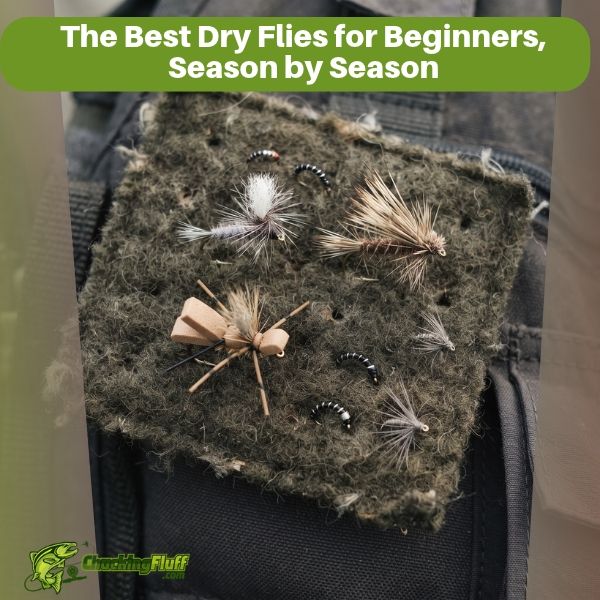
The best dry flies for beginners are a Parachute Adams, an Elk Hair Caddis and a foam or hopper-style terrestrial, with a few small midge patterns for winter. Buy for the season you will fish next: mayflies and caddis in spring, terrestrials in summer, small mayflies in fall, midges in winter.
That is the short version. The rest of this guide explains why each pattern earns its spot and what to skip until you need it. If you are still sorting out how dries differ from nymphs and streamers, the beginner’s guide to choosing a fly covers that, so this article stays on which dries to buy and when.
Which dry flies can a beginner fish in any season?
Two patterns are worth owning no matter when you fish: the Parachute Adams and the Elk Hair Caddis. Neither copies one specific insect exactly. Both look enough like the mayflies and caddis that trout see most often, which is why they are the usual first purchases.
The Parachute Adams is a grey-bodied mayfly imitation with a white post on top. That post is useful for a beginner because you can see it on the water far better than a plain hackled fly. Carry it in a few sizes, roughly 14 through 18, since the size of the natural insects changes through the year.
The Elk Hair Caddis imitates an adult caddisfly, with a wing of elk hair that makes it float high and ride well in choppy water. Tan and olive bodies cover most situations. It is also forgiving of a messy drift, because the buoyant hair keeps it on the surface when a lighter fly would sink.
If you buy nothing else, buy these two in three sizes each. Everything below adds to them for a particular time of year.
What dry flies work best in spring?
In spring, trout generally eat mayflies and caddis, and the best beginner choices are a Parachute Adams, a blue-winged olive pattern and an Elk Hair Caddis. Cold water keeps fish a little sluggish early in the season, so they tend to rise during the warmest part of the day rather than at dawn.
Here is what to add for spring and the reason for each:
- Parachute Blue-Winged Olive (BWO), sizes 16 to 20. Blue-winged olives are small mayflies that often hatch on cool, cloudy days, and that kind of weather is common in spring. A Parachute Adams in a small size can stand in for one if you have no BWO pattern, but a true olive body is a closer match.
- Elk Hair Caddis, tan or olive, sizes 14 to 16. Caddis hatches can be heavy in spring in many rivers, and this fly is the easiest way to fish one.
- Parachute Adams, sizes 12 to 16. Larger sizes cover the bigger mayflies that appear in some rivers during spring.
A practical warning: spring runoff can turn many rivers high and muddy. Fish rarely rise to dries in fast, off-color water, so check conditions before you tie anything on. If the river is blown out, a day on a smaller stream or a still pond is a better use of your time.
Fine, clear water also makes trout more selective about what drifts over them. Tippet choice matters a lot with small flies, and this guide to tippet size for dry flies explains how to avoid going too thick.
What dry flies work best in summer?
Summer is when terrestrials earn their place, so the best beginner dry flies are a foam hopper, a beetle or ant, and your Elk Hair Caddis. Terrestrials are land insects such as grasshoppers, ants and beetles that end up in the water by accident, and trout eat them readily along grassy banks.
Summer is also the easiest season for a beginner to fish dries, because flies are large and fish are active. A fly that looks like a bug falling off the bank does not need a perfect imitation.
What to buy for summer:
- Foam hopper, sizes 8 to 12. It floats well because of the foam, which means you spend less time drying and re-treating it. Fish it tight to grassy banks where hoppers would naturally fall in.
- Parachute ant or foam beetle, sizes 14 to 18. These are smaller and quieter than a hopper, so they suit clear, slow water where a big fly would spook fish.
- Elk Hair Caddis, sizes 14 to 16. Evening caddis activity is common in warm months, and this fly keeps working.
- A Royal Wulff or Humpy, sizes 12 to 16. These bushy, high-floating patterns are easy to see in fast, broken water, where a beginner often loses sight of a smaller fly.
Water temperature deserves attention in hot summers. When a stream warms up, trout get stressed, and fishing for them in those conditions can harm them. If the water feels warm to your hand, fish early in the morning, go to higher and cooler water, or leave it for another day.
Summer is also where drag becomes the main reason fish refuse a good fly. Once you have the right pattern, these dry fly presentation mistakes are the next thing to read.
What dry flies work best in fall?
Fall brings back small mayflies, so the best beginner dry flies are small Parachute Adams and blue-winged olive patterns, plus an Elk Hair Caddis and a few terrestrials until the first hard frost. Blue-winged olives often hatch in cool, overcast autumn weather, which is why the small flies from spring return to the box.
The change from summer is size. Insects are often smaller in fall, and trout in low, clear water can be wary. Many anglers drop to size 18 or 20 flies and finer tippet at this time of year.
For fall, carry:
- Parachute BWO, sizes 18 to 22. Autumn blue-winged olive hatches are a regular feature on many rivers, and a small, visible pattern is the one to have.
- Parachute Adams, sizes 16 to 20. It works as a general mayfly pattern while you work out what is on the water.
- Elk Hair Caddis, in a larger size and a darker or orange body. Some regions have large fall caddis hatches. Whether yours does depends on where you fish, so ask before you buy.
- Your summer ants and beetles. Terrestrials keep working on mild days, until frost kills off the insects.
Fall is also a good time for a beginner to practise, because the fish are often feeding up before winter and the weather is comfortable. Just keep your expectations tied to conditions: a bright, windy afternoon is often slow, while a grey, still one can be excellent.
Are dry flies worth fishing in winter?
Yes, but only on the right days, and with small patterns. Trout feed less in cold water, so winter dry fly fishing is generally limited to the warmest hours of mild days, when midges or blue-winged olives hatch. If you fish winter at all, you need only a few flies.
A beginner should treat winter dries as optional. Nymphs usually catch more fish in cold water, because trout hold deep and conserve energy. If you want to try dries anyway, wait for a day when the sun has warmed the air and you can see fish rising.
Winter patterns worth having:
- Griffith’s Gnat, sizes 18 to 22. It imitates a cluster of midges, and trout often take clusters more readily than single insects. It is simple and visible.
- Small Parachute Adams or Parachute BWO, sizes 18 to 22. Overcast winter days can bring blue-winged olives in some places.
The flies are tiny, and tiny flies need fine tippet and patience when tying knots. Cold fingers make that harder, so bring a pair of nippers and take your time. If you want a different way to catch fish when nothing is rising, the best wet flies for beginners are a good option for cold months.
How do you check what is hatching where you fish?
The most reliable way is to ask a local fly shop and check a hatch chart for your river. Everything above describes what trout generally eat, but hatch timing varies a lot by region, elevation and the weather in a given year. A blue-winged olive hatch that arrives in March on one river can show up weeks later on another.
Use these sources, roughly in this order:
- A local fly shop. Staff see what anglers are catching that week and can tell you which sizes and colors to buy. Many will tell you what to skip as well.
- A hatch chart for your river or region. Many shops and state fishing agencies publish them. Treat the dates as a range, not a promise.
- The water itself. Spend five minutes before you cast. Look for insects flying above the surface, bugs on rocks and fish rising, and match the size of what you see.
When you buy flies at a shop, tell them which river you plan to fish and what month it is. That one sentence will narrow your purchase better than any general list, including this one.
What does a season-by-season dry fly box look like at a glance?
A beginner’s dry fly box can be built in small steps, adding two or three patterns per season rather than buying everything at once. The table shows what to add and the reason, using sizes that are typical starting points. Adjust them to what you see on your own water.
Season Patterns to add Typical sizes Why Any season Parachute Adams, Elk Hair Caddis 12 to 18 Cover common mayflies and caddis Spring Parachute BWO 16 to 20 Small mayflies hatch in cool weather Summer Foam hopper, ant or beetle, Royal Wulff or Humpy 8 to 18 Land insects fall in; bushy flies are easy to see Fall Small Parachute BWO, small Parachute Adams 18 to 22 Insects are smaller and fish are warier Winter Griffith’s Gnat 18 to 22 Midge clusters on mild days
If your budget is tight, start with the “any season” row and one pattern from the season you are about to fish. A dozen well-chosen flies will serve you better than a hundred that you never use.

How to Trout Fish with a Fly Rod – Part 5 the Fly Line Profile
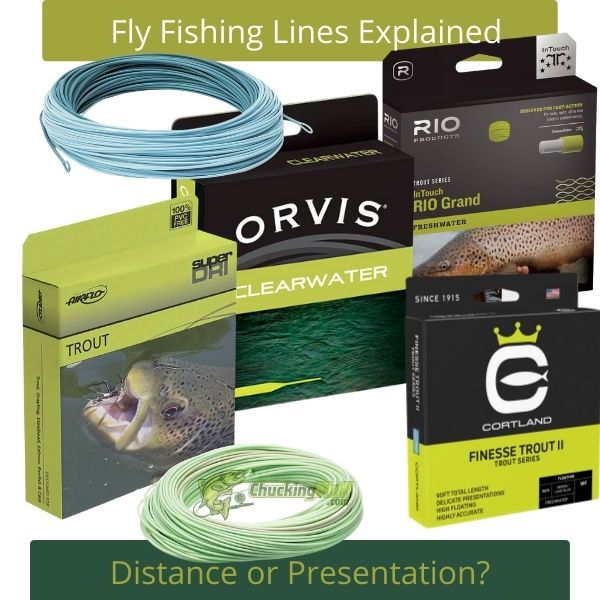
Fly Fishing Lines Explained – A Guide for the Beginner

Tips For Casting With Different Fly Line Weights
About Author
