
| Disclosure: Just to be open and honest the buttons and links you click on in the website will in most cases take you to another website where you can purchase the products I am reviewing. As an Amazon Associate I earn from qualifying purchases. |
Dry Fly Fishing Tips And Tricks
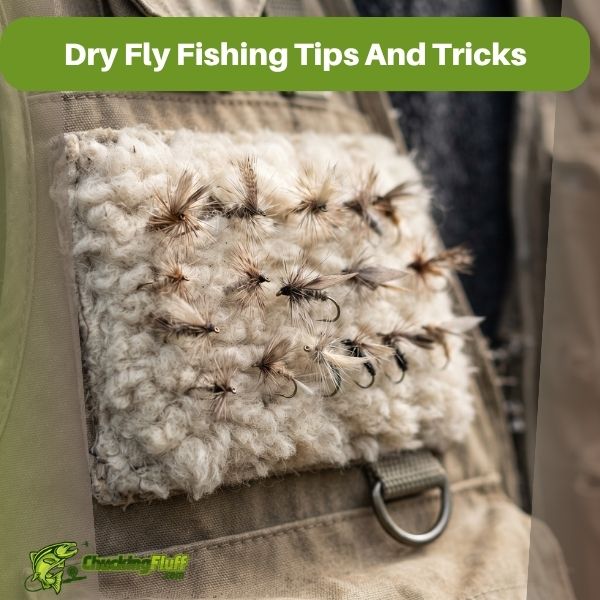
Dry fly fishing is one of those outdoor activities that can really pull you in if you love a mix of skill, patience, and a bit of luck. There’s something about watching a trout rise to the surface and take your perfectly presented dry fly that never gets old, no matter how many times you see it. I’ve picked up a bunch of practical tips and little tricks over the years, and I’m happy to share what I think can actually make your time on the river both smoother and a lot more rewarding.
Why Dry Fly Fishing Is Worth Your Attention
Dry fly fishing catches the imagination for good reason. It’s not just casting a line and hoping for the best. You can see the fly, watch how the fish reacts, and tweak your approach in real time. If you ask me, nothing in fly fishing quite matches the thrill of getting a trout up to the surface. Whether you’re just starting out or you’ve got some seasons behind you, the visual element keeps everything fresh and fun. So, let’s look at why many folks fall for this style of fishing.
- Visual Action: Watching fish rise adds a whole new level of excitement.
- Technical Challenge: This style rewards finesse, patience, and observation.
- Cleaner Gear: Surface fishing means less muck, weed, and moss stuck to your flies or tippet.
The Basics: What Is Dry Fly Fishing, Exactly?
Dry fly fishing involves using floating flies (also called “dries”) that sit on top of the water, imitating the insects that trout and other fish love to eat. Instead of nymphs or streamers that float under the surface, dries skip, skitter, or glide right where the fish can see them.
Generally, the goal is to present the fly so it looks like the real thing: helpless, natural, and totally convincing. That can mean matching what’s hatching in the river (“matching the hatch”), or sometimes even choosing something outrageous just to trigger curiosity. Either way, there’s a bunch of basics to nail down before you’re consistently fooling fish with your dries:
- Buoyancy: Your fly has to float well. Drowned flies catch less fish!
- Dragfree Drift: Presenting the fly so it floats naturally, just like the real bugs do.
- Accurate Casting: Getting the fly to land gently and exactly where fish are feeding.
Essential Gear for Dry Fly Fishing
Getting the right gear doesn’t need to be overwhelming, but there are a few items I think are super important if you want the most out of this style of fishing. Having the basics covered makes everything else a lot less frustrating when you’re on the water.
- Rod: A lightweight 3-5 weight rod offers sensitivity and accuracy for smaller surface flies.
- Reel: Pick a quality reel with a smooth drag, even if you mostly fight fish with your hands in dry fly fishing.
- Fly line: Floating lines are a given. Weightforward tapers help your cast with dries.
- Leaders and tippets: Tapered leaders ending in 4X-6X tippet for subtle presentations.
- Floatant: Gel and powder to keep your dries riding high.
- Basic fly box: Stocked with versatile patterns and sizes.
Don’t forget polarized sunglasses to spot fish more clearly and protect your eyes from errant casts. A comfortable vest or a sling pack keeps your gear handy, making it easy to swap flies or adjust leaders midstream. A small multipurpose tool or hemostat helps with quick hook removals and pinching down barbs.
Understanding Trout Behavior for Better Results
It’s tough to fool a trout above water if you don’t have some idea of what they’re looking for. The more you watch them and notice what gets their attention (and what sends them running), the better your odds get. I tend to keep an eye out for a few things in particular:
- Feeding rhythms: Early morning and late evening often bring more surface action, but cloudy days can surprise you.
- Rising patterns: Watch for fish gently sipping or aggressively smashing insects on the surface. They tell you a lot about fly choice and presentation.
- Bug observations: Take a minute to see what’s floating by. Matching color, size, and shape really does matter.
Consider how trout position themselves relative to current and structure. They often lurk near underwater ledges or in deeper pockets, darting up when they spot easy prey floating past. With observation, you’ll start to predict where the next rise will happen and what kind of cast is needed.
Choosing the Right Dry Fly Patterns
When it comes to fly selection, there might be hundreds of patterns out there, but I find it’s better to have a small, well-chosen handful than an overstuffed box. Here are some of my favorite go-to patterns, along with a few reasons why they work:
- Parachute Adams: Covers just about any mayfly hatch and floats super well.
- Elk Hair Caddis: Tough to beat in rough water or when caddisflies are around.
- BlueWinged Olive: Excellent on overcast days or in early spring/fall.
- Royal Wulff: Great attractor even if nothing obvious is hatching.
- Griffith’s Gnat: Small and simple for those tricky midge eaters.
I always keep a mix of these in a couple sizes. Sometimes just downsizing by one or two notches can be the difference when fish are picky. It’s wise to also pack terrestrial options like ants and beetles, since trout will rise for land-based bugs blown onto the water. During warm months, foam beetle or ant patterns are simple yet effective.
How to “Match the Hatch” Without Getting Stressed
The idea of matching the hatch sounds harder than it actually is. Here’s how I make it work without any complicated entomology:
- Take a second to see what insects are actually on (or over) the water.
- Check their size, general color, and if possible, what stage they’re in (dun, spinner, adult).
- Pick the closest thing out of your box. Don’t stress perfection; close is usually good enough.
- Focus on presentation, not just fly selection.
Sometimes, fish will key in on a specific species and ignore everything else. That’s where having options in your box pays off, but you don’t need to bring the whole fly shop. Bringing a small bug seine or even a white paper scrap to let drifting insects collect makes comparison a breeze, helping you pick up subtle color or size cues.
Mastering Casting Techniques for Dry Flies
Dry fly fishing is all about getting your fly to the right spot, softly and accurately. If your cast lands with a big splash, even the hungriest trout might get spooked. I like to practice:
- Short, controlled casts, especially when fishing smaller creeks or tight spots.
- Roll casts, useful when willows or trees are right behind you.
- Reach casts, add a mend in the air to help get a natural drift.
The less your fly line slaps the water, the more likely you are to tempt wary fish. Practicing accuracy pays off big time, especially when trout are holding under branches or alongside tricky currents. Try setting up small target exercises in your yard; tossing yarn at plates or pie tins sharpens aim when real fish are on the line.
Achieving a DragFree Drift
This one is really important. “Drag” happens when currents push your fly in an unnatural way, which usually means much faster than a real insect would float. Fish spot this with their eagle eyes and tend to reject anything that doesn’t look just right.
For a realistic drift, try these moves:
- Upstream casts reduce drag by letting your fly drift down naturally toward you.
- Mend your line once it lands; flip the line upstream to slow the fly’s pace.
- Use longer leaders (10-12 feet or more) to keep the bright fly line away from spooky fish.
- Minimize line on the water, and lift your rod tip if the current’s uneven.
Even if you’re new, these adjustments aren’t hard to learn, and they’ll make your fly look so much more believable. Watch expert anglers: their hands are rarely idle, constantly adjusting for shifting currents and feeding lanes. Their habits can teach you how even tiny tweaks upstream can mean more takes downstream.
Getting Your Fly to Float Right
If your fly keeps sinking, it won’t do you much good. Keeping it dry and sitting on the surface is the name of the game. Here’s what I do on pretty much every trip:
- Use a highquality gel floatant before the first cast. Coat the fly gently without drowning it in goo.
- Apply powder floatants (like a shake bottle) if your fly gets waterlogged after a few fish.
- Dry soaked flies with an absorbent patch or a quick false cast.
- Trim any fibers that get matted or bent; flies that sit cockeyed don’t fool as many fish.
Every so often, swap out flies that just won’t stay up anymore. Sometimes, it’s quicker than trying to revive the same tired one for the tenth time. Some anglers swear by using desiccant compounds, which absorb more moisture and restore bounce after multiple fish.
Reading Water: Finding the Best Spots for Surface Action
Trout don’t just sit anywhere. They want their food delivered in ways that are easy and safe for them. I’ve found a few key areas consistently deliver surface bites:
- Riffles: Shallow, broken water brings more oxygen and keeps bugs surfacing. Trout feel safer here and are less picky.
- Seams: Where two currents come together, insects gather and fish wait.
- Behind rocks: Watch for quiet pockets just downstream of boulders. They collect bugs and provide holding water.
- Edges of overhanging cover: Big trout love lurking under bushes or logs, grabbing food as it drifts by.
Take a couple minutes at every new spot just observing before you wade in. Noticing a subtle rise or boil can be the clue you need to land your fish of the day. Sometimes, moving just a few steps upstream or downstream opens up new windows to find rising fish.
Stealth: The Underrated Skill
Spooky fish can make you feel invisible, especially in clear, shallow water. I’ve definitely spooked more trout than I care to admit just by marching up to the bank too quickly. A few things I always keep in mind:
- Stay low when approaching the water, or even crawl if it’s extra clear and shallow.
- Wear drab, earthtoned clothing to blend in—bright colors have scared off more fish than bad casts ever will.
- Move slowly, especially when you’re just starting to sight fish rising along an edge.
Give it a try; being sneaky might help you hook fish in spots others just walk past. Sometimes even shadow movement can alert fish. Pay attention to your profile against the horizon, and try to approach from below or in the cover of brush. Keeping a low profile makes a world of difference, especially during mid-day when the light is strongest.
Adapting to Wind, Weather, and Light Conditions
Mother Nature doesn’t always gift you with calm, sunny days. Sometimes the wind kicks up, the light shifts, or rain is on the horizon. Dry fly fishing can still work, but you might have to change things up. I find these tips help:
- In wind: Use bulkier or hackled flies that stay afloat. Shorten your cast, and aim a little lower to cut through gusts.
- Cloudy weather: Fish often feed more confidently; subtle, drabcolored flies work well.
- Bright light: Downsize your tippet for more invisibility, and seek shaded areas where trout feel less exposed.
Adaptability is the name of the game. Fish will feed in almost any conditions if you can read the river and adjust accordingly. On days with sudden temperature changes, keep an eye out for insect activity and shift your strategy if needed. Sometimes, changing to a high-visibility fly can help you track drift and spot subtle takes in glare or low light.
Presentation Tricks That Actually Work
Getting trout to eat on top sometimes needs a little finesse. Here are some tricks I come back to all the time when I’m getting refusals or blank looks:
- Try the “plop” cast: Drop your fly deliberately with a splash to imitate a big insect falling in. Sometimes that jolt gets noticed when a gentle entry won’t.
- Add motion: Skitter, skate or twitch your fly just slightly to mimic a struggling bug; works great for caddis or terrestrial patterns.
- Let it sit: Don’t move your fly right away after it lands. Sometimes a two-second pause will bring a stealthy rise.
- Change angles: If fish refuse your fly from one drift, change your position or cast from a different angle.
Experimenting with how your fly behaves on the water is half the fun and boosts your odds when fish are picky. Don’t be afraid to tie on a more visible fly as an indicator, trailing a smaller one behind it, in double-dry setups. Sometimes,
Choosing The Right Waders And Boots For Fly Fishing

Best Eco-friendly Fly Fishing Gear For Beginners
Streamer Fishing: Techniques For Beginners
About Author
