
| Disclosure: Just to be open and honest the buttons and links you click on in the website will in most cases take you to another website where you can purchase the products I am reviewing. As an Amazon Associate I earn from qualifying purchases. |
Fly Combo Buying Guide For Budget-Conscious Anglers
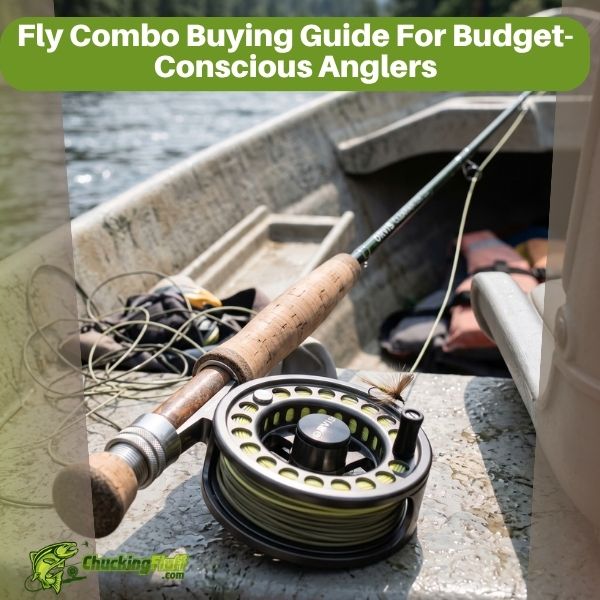
Shopping for a fly fishing combo doesn’t have to drain your wallet. If you’re just getting into fly fishing or trying to stick to a budget, finding the right gear can feel overwhelming with all the choices out there. I’m here to help you steer through the fly combo options that give you the most bang for your buck without sacrificing quality or fun on the water.
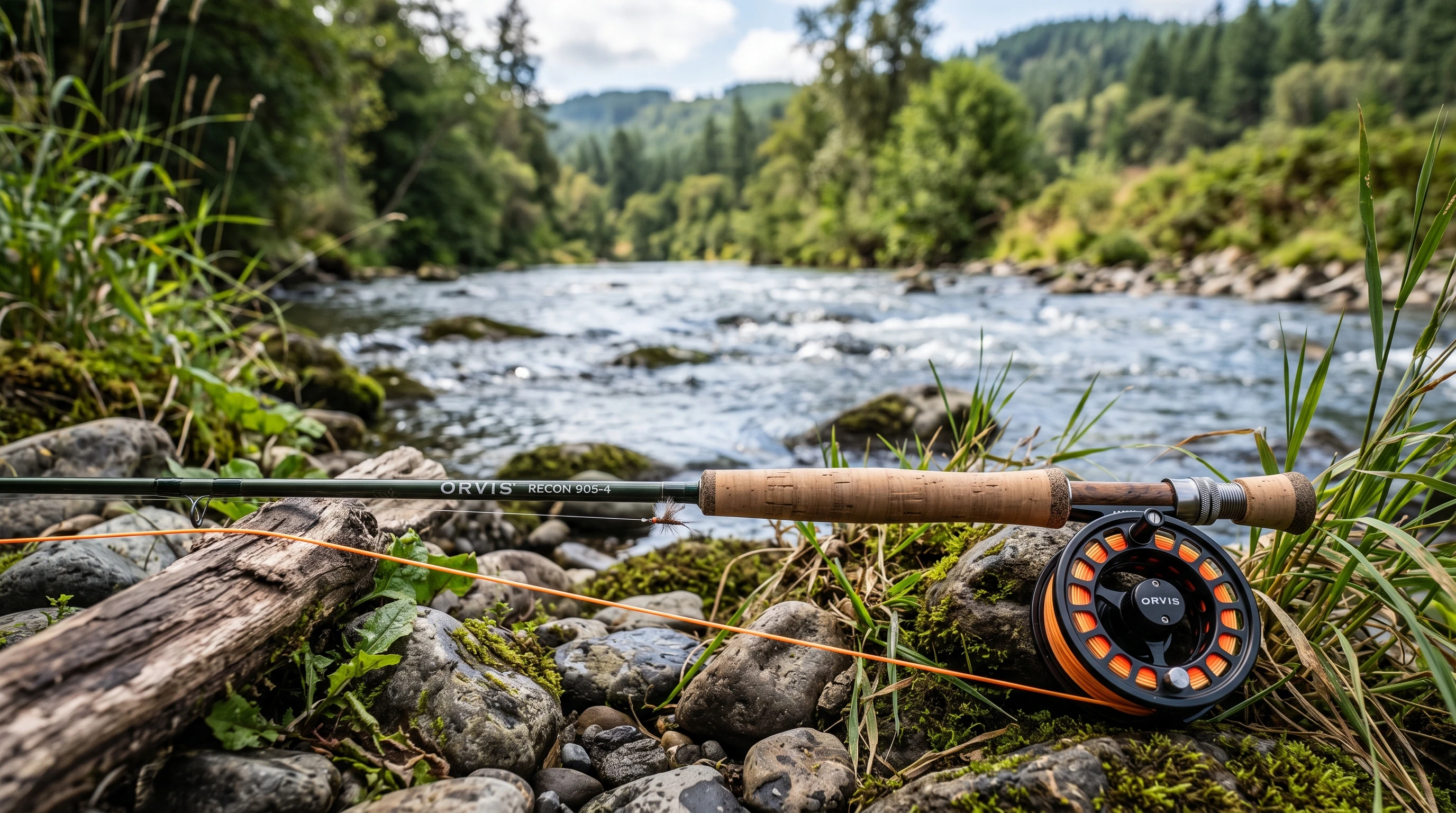
CHECK OUR COMBO LIST
Why a Fly Combo Makes Sense for Budget-conscious Anglers
Buying a fly rod and reel as a combo package is a smart move, especially when you don’t want to overspend. When you pick up a combo, you get a rod, a reel, and sometimes the fly line and leader, all selected to work well together. This not only saves you time but often keeps more money in your pocket compared to buying each item separately.
For anyone new to fly fishing, putting together the “perfect” setup can be tough. With so many rods, reels, and lines on the market, making sense of specifications and matching gear can eat up your time and budget. Combos take the guesswork out of matching rod action to reel drag or picking line weight. Brands are pricing many decent combos at beginner-friendly levels, so it pays to check what’s available before going the DIY route.
Understanding the Gear Included in Fly Combos
Budget fly combos usually roll three or four main pieces into one purchase:
- Fly Rod: The core of your setup. It determines casting distance and control.
- Fly Reel: Holds your line and helps fight fish. Its drag system matters for bigger fish.
- Fly Line: This lets you cast your flies. Sometimes included, sometimes not.
- Leader and Tippet: Attached to the end; these connect the line to your flies and keep things subtle for wary trout.
Some combos toss in extras like a rod case, flies, or a few more pieces of tackle. Make sure you know exactly what’s in the box before you buy, so you’re not caught out on your first trip.
What to Look for in Budget Fly Combos
You don’t need the fanciest rod and reel to catch fish, but there are a few things I always look for:
- Rod Material: Graphite is lightweight, sensitive, and usually affordable. Fiberglass is forgiving for beginners but heavier. Avoid supercheap plastics; they don’t last.
- Rod Length & Weight: An 8–9 foot, 5-weight rod covers most freshwater fishing. Heavier for bass or larger species, lighter for small streams.
- Reel Construction: Aluminum reels are rugged and durable. Plastic reels cut costs but can break more easily.
- Smooth Drag: Even on a budget reel, a consistent drag makes a big difference when you hook a lively trout.
- Prespooled Line: If line is included, double-check it matches the rod/reel specs so you don’t have to rebuy and refill right away.
Combos with the right balance of these features are going to be way more fun to fish with, and way less likely to let you down on the water.
Types of Fly Combos for Every Budget
Budget fly combos generally fall into three tiers. Here’s what to expect in each price range:
- Entry-level Combos ($50–$100): These get you fishing for the lowest cost. Rods and reels are basic, but you can still land plenty of fish. Just be gentle with them; they’re not indestructible.
- Midrange Combos ($100–$200): Expect better rod action, smoother reels, and more attention to quality control. These are perfect for anglers wanting dependable gear without spending a fortune.
- Value-packed Brands: Some companies focus on affordable combos that punch above their price tag. It’s worth researching brands with good reviews among budget-minded anglers.
Whatever your budget, there’s probably a fly combo that fits. If you’re patient and watch for sales, you might even score a higher-end combo at a reduced price.
Main Components Explained for New Anglers
Fly Rod Breakdown
The rod is your main tool, so it’s super important to pay attention to its build and specs. Here’s how to keep it simple:
- Length: 9foot rods are standard and versatile. Shorter rods (7–8 feet) are nice for tight spaces or creeks.
- Weight: Measured in “wt” (like 5wt). 4–6wt rods handle trout and panfish. Go up in weight for bass or light saltwater.
- Pieces: Most combos break down into 4 parts for travel. More pieces make it easier to pack, but they can have slightly less sensitivity.
Understanding Reels
A fly reel in a combo should match your rod’s weight. Look for reels with simple, smooth drag mechanisms. Large arbor spools help pick up line faster but aren’t always included in entry-level sets.
Fly Line Basics
The line is what actually casts your fly. Most combos come with floating weight-forward line (marked as “WF”). This is easiest for beginners and great for trout, bluegill, and bass. If your combo doesn’t include line, budget extra for a decent one.
Leader & Tippet
Leader and tippet are the nearly invisible connection between your fly line and the fly. Most combos include a simple tapered leader. Replace these as needed; good leaders make casting and presenting the fly smoother.
How Fly Combos Save Time and Money
Matching all these components yourself isn’t easy when you’re starting out, and mistakes can cost extra cash. Fly combos are tested by the manufacturer to work together, so you skip the confusion of matching line weights, rod actions, and reel sizes. That’s a relief when you want to just start fishing without fuss!
You’ll often pay less buying a combo than the sum of the separate parts. It’s also handy if you decide you like a certain brand or style and want a second setup for travel or for friends to use on fishing trips.
Common Mistakes to Avoid When Buying a Fly Combo
I’ve seen new anglers run into a few hangups when picking their first combo. Some of the bigger pitfalls include:
- This combo’s rod is way too light or heavy for their target fish.
- The reel doesn’t have a functional drag or feels flimsy.
- The combo is missing a key piece (like line or leader) and has to be upgraded right away.
- Going with the cheapest option without reading reviews or checking the return policy.
Don’t be afraid to spend an extra $20 or $30 for a combo with better reviews or a slightly better reel. Sometimes, the difference in reliability is huge. Also, watch out for combos loaded with accessories that bump up the price but don’t really help your fishing game, like starter flies you’ll replace quickly.
Features Worth Paying For in a Budget Combo
- Cork Grips: Comfortable and good for grip, even when wet. Foam is fine, but cork is usually nicer for long outings.
- Rod Tube or Case: Protects your investment when traveling or storing offseason.
- Decent Fly Line: Cheap line can ruin your cast. If possible, pick a combo with a respected line brand or budget for a replacement.
- User-friendly Warranty: Some budget brands offer “no-fault” or low-cost repairs for broken rods, making it less risky for new anglers.
If comparing two similar combos, these extra details are worth giving extra points to the better option.
Top Recommended Budget Fly Combos for Beginners
Firsthand, here are a few combos that stand out for value-minded anglers. These combos typically get you started right out of the box without much hassle:
- Redington Crosswater Combo – A solid starter with good rod quality, a smooth reel, and reliable service.
- Cabela’s Bighorn Fly Combo – Often on sale, packs a punch for the price with a strong rod and a basic but dependable reel.
- Orvis Encounter Outfit – A little pricier but offers great customer support and better components; perfect for serious beginners.
- Wild Water Fly Fishing Combo – Comes packed with accessories, a handy case, and strong customer feedback.
All of these combos make it easy to get started and keep costs low. Their rod actions are forgiving, and the included fly lines cast better than you’d expect for budget-friendly sets.
Tips for Getting the Most from Your Fly Combo
- Take time to adjust your reel drag and practice casting on grass before hitting the water.
- Invest in a couple of different leader sizes so you’re ready for changing conditions.
- Store the rod dry and break it down after each trip to extend the life of the rod and reel.
- Keep receipts and check the warranty in case you need a replacement part or repair.
Treat your entry-level combo well, and it will serve you for seasons. Swapping out the included fly line for a higher-end line after a season is a popular upgrade if you get hooked on the sport.
Also, joining a local fly fishing club or group can help new anglers pick up tips and maybe even score some hands-on lessons or honest advice about local water and gear options, making your entry into the sport smoother.
Best Places to Buy Budget Fly Combos
Fly combos are easy to find online or in big box outdoor stores. For deals, check out:
- Major retailers like Cabela’s, Bass Pro, or Dick’s Sporting Goods (watch for end-of-season sales).
- Online shops like Amazon or dedicated fly shops (many list customer reviews and offer customer support).
- Local fly shops sometimes have demo gear or packaged deals just for new anglers.
- Secondhand marketplaces, such as Craigslist, eBay, or Facebook Marketplace, can offer lightly used combos at big discounts, but inspect before you buy.
Compare return policies if you’re nervous about ordering sight unseen. In my experience, buying from a shop with helpful staff (online or in person) can make choosing the right combo way easier.
Shopping in person also helps you get a feel for how the combo balances in your hand, and you may even find local discounts or get timely advice on what works best on your local waters.
The Value of Customer Service and Brand Reputation
Some budget combos are made by brands known for standing behind their products. It’s worth checking customer feedback and seeing how brands handle broken rods or defective reels. Being stuck with a busted rod and no way to fix it is no fun, so a good warranty is super important, especially if this is your first combo and you might be a little rough on the gear while you learn the ropes.
Brands like Orvis, Redington, and Temple Fork Outfitters are recognized for decent, budget-conscious options and solid customer care. I always feel more confident fishing with gear from companies that help anglers out if something doesn’t go as planned.
When to Upgrade Your Combo
Banks and rivers teach you plenty about what you want in your next setup. If you find yourself outgrowing your first combo, maybe chasing bigger fish, fishing saltwater, or just craving a rod with a snappier cast, it might be time to upgrade.
- Step up your fly line first if you notice casting issues but like your rod and reel.
- Upgrade the reel if you plan to fish larger, stronger fish like steelhead or smallmouth bass.
- Eventually, you’ll want to buy a rod and reel separately as your preferences become clear.
But honestly, a good starter combo will last for lots of trips if you take care of it. It’s always a good idea to invest slowly and match upgrades to your growing skills and fishing style.
Don’t feel pressure to buy premium gear too soon. As you get more experienced, you’ll spot gaps in your setup and naturally make steady improvements that match your needs and budget.
DIY vs. Prepackaged Combos: Pros and Cons
Building your own fly fishing setup does offer some perks, but isn’t always the best plan for budget-focused anglers. Here’s a quick rundown:
- Combo Kits: Save money, save time, convenient, and no compatibility worries.
- DIY: You get to customize everything and match the gear to specific needs, but the costs add up quickly, and the choices can get overwhelming.
If you want to experiment later, there’s always time to customize and upgrade. For a first-time or budget approach, combos are usually the practical play.
For some, eventually mixing and matching their favorite rod, reel, and line turns into an enjoyable part of the hobby, but combos help everyone get fishing right away.
Getting Started: Step-by-Step for the Budget Angler
- Decide what species and waters you’ll fish. Trout in rivers? Panfish in ponds? This narrows down the rod weight and length you want.
- Set your budget ceiling before you shop. Trust me, extras add up fast if you don’t have a target.
- Read reviews and check unboxing videos when available; these often highlight what you’re actually getting.
- Visit local shops to try out combo rods if you can, even just to feel the weight and see the action in person.
- Start practicing your casting somewhere open—your backyard or the local park—before taking it to the water.
Each of these steps helps you feel more prepared and confident, and keeps you from buying stuff you don’t need. When in doubt, asking folks at local shops or clubs can also shed light on local fish behaviors and what really works in your area.
Maintenance Tips to Stretch Your Combo’s Life
Even affordable combos can outlast expectations if you take a little care:
- Always rinse your reel and rod (especially guides) with fresh water after fishing, especially if you’ve been near salt.
- Let everything dry completely before packing it up to avoid corrosion or mildew.
- Store your rod in its case and keep your reel covered when not in use.
Good maintenance means less chance of surprise failures and keeps your gear feeling ready. More time fishing, less time fixing! Give your rod a quick once-over before and after trips to make sure no guides came loose or lines are starting to fray.
Extra Accessories: What’s Actually Handy?
Budget combos sometimes bundle in lanyards, clippers, fly boxes, or starter flies. While some of these extras are useful, you really only need:
- A dozen reliable flies tailored to your local waters
- Basic nippers or line clippers
- A small fly box (fits in your shirt pocket)
- Sunglasses (polarized if you can swing it; helps spot fish and protect your eyes)
Everything else is just a bonus. Don’t sink your budget into gear you’ll never touch. Instead, put remaining cash toward quality essentials that actually help you catch fish. Investing in a comfortable hat and a simple fishing vest or a small pack for organizing can also make your day easier.
Summary: Choosing a Budget Fly Combo with Confidence
Finding a good fly fishing combo for a budget doesn’t mean settling for junk gear. With a little research and a focus on what actually matters, like rod quality, reel dependability, and matching line, you’ll save money and still have a blast on the water. Watching for reviews, checking included components, and comparing warranties go a long way to making your first fishing trips smooth. The right combo makes getting started way less intimidating, letting you focus on learning the sport rather than fixing gear problems or regretting overpriced mistakes.
Fly fishing is all about enjoying time outdoors and the simple thrill of seeing a fish rise to your fly. With the right starter combo, you’ll be out there sooner, and you won’t have to break the bank.
Frequently Asked Questions
Q: Is it possible to catch big fish with a budget fly combo?
A: Absolutely. While high-end combos are nice, many budget combos have the backbone to handle larger trout or panfish, especially if you use the right rod weight and keep your drag set properly.
Q: Are budget combos a bad investment if I want to upgrade later?
A: Not at all; most anglers hang onto their first combo as a backup, travel kit, or for introducing friends to fly fishing. Upgrading later just gives you options.
Q: Can I fish in saltwater with a freshwater budget fly combo?
A: Most budget combos aren’t built for saltwater use, since salt can quickly corrode cheaper materials. If you want to try saltwater, look for a combo rated for saltwater and always rinse everything well afterward.
Q: How do I know if a fly combo includes everything I need to get started?
A: Check the product details before you buy. Look for a list of included gear—rod, reel, line, and leader. If any piece is missing, you’ll need to budget to add it.
Q: Can I find good deals on budget fly combos during certain times of year?
A: Sales are common at the end of fishing season or during holiday events. Shopping during these times can help you pick up great combos at a discount.
CHECK OUR COMBO LIST
How To Extend The Lifespan Of Your Fly Lines
Choosing The Best Fly Line For Different Fly Fishing Techniques
Choosing The Right Waders And Boots For Fly Fishing
About Author
