
| Disclosure: Just to be open and honest the buttons and links you click on in the website will in most cases take you to another website where you can purchase the products I am reviewing. As an Amazon Associate I earn from qualifying purchases. |
Euro Nymphing Basics: Why Leader Setup Matters
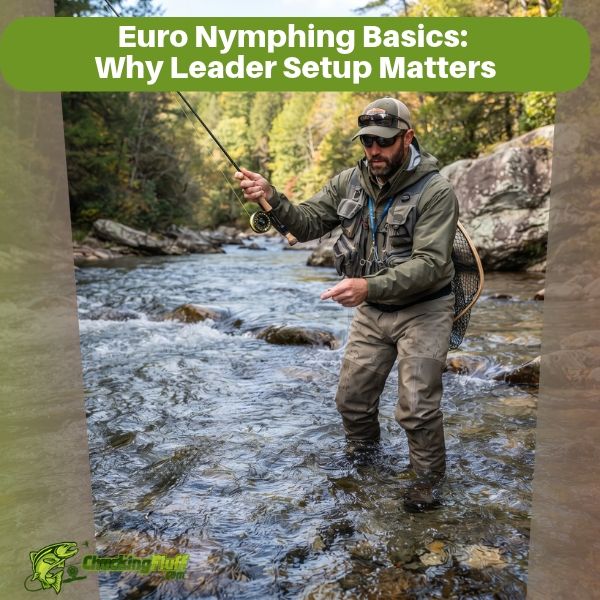
Euro nymphing is one of those fly fishing styles that really ups your odds when trout get picky or hug the bottom. For anyone just getting started, I know it can feel like there’s a lot to untangle, both literally and figuratively. I’ve spent plenty of days on the river working out the kinks in my setup, so I want to give you a super practical intro to what makes Euro nymphing tick, and especially why a well-matched leader setup is really important for good drifts and consistent fish.
Euro Nymphing: What It Is and Why It Works
Euro nymphing is all about tight line nymphing, using long rods and thin leaders to deliver weighted flies straight to trout in fast currents and deep runs. The technique started in competitive fishing circuits across Europe, which is how it got the name, and now you’ll see anglers using it everywhere from small creeks to big freestone rivers across North America.
The basics are pretty simple: you use a super light line (sometimes just mono or euro nymph line), a long leader and sighter, and a couple of heavy flies. The main advantages are better contact with your fly, fewer snags, and being able to spot subtle takes better than with a bobber rig. The whole system is tuned for sensitivity and stealth. Your leader setup truly is the backbone of the method.
Core Gear and Why Leader Setup Matters
Your leader is easily the most important part of Euro nymphing. Sure, rods and reels help, but the leader is what connects you to your fly and to the fish. A good leader will sink your flies quickly, help you detect strikes even in tricky currents, and let you control your drift without scaring fish away.
Most Euro nymph rigs use a long, knotless mono leader (anywhere from 15 to 30 feet), a colored sighter for bite detection, and a short tippet section down to your flies. Unlike traditional fly fishing, you’re not relying on weight in the fly line to cast; instead, your leader is doing a lot of the work.
- Long, Thin Leaders: Less drag and better depth control for your nymphs.
- Sighter Section: High-vis mono in chartreuse or orange for spotting those soft takes.
- Tippet Ring: A super handy transition point for swapping tippet without chewing up your sighter.
- Fluorocarbon Tippet: Sinks fast and remains nearly invisible, so your flies go where they need to be.
Building a Euro Nymphing Leader
I’ve tried a bunch of leader formulas, but most setups share the same core sections. Building your own is a great way to dial in performance for your local water or your particular style. Here’s a solid starting point:
- Leader Butt (10–15 ft of 8–12 lb mono): This is your base. I use Amnesia or Maxima Chameleon because it’s stiff and transmits energy well.
- Sighter (18–36 in of 4X–2X high vis mono): Think of this as your strike indicator, but in line. Colored mono like Cortland or Rio Two Tone works great.
- Tippet Ring: A small ring (1.5–2 mm) for adding tippet while preserving your sighter.
- Tippet (3–6 ft of 5X–7X fluorocarbon): This is your “stealth” section and where your flies attach. I usually fish 6X unless flows are up, then I’ll bump up to 5X.
This is just a foundation. Some folks shorten the butt for tight spaces, or add micro leader sections for extra sensitivity when the current is soft. The cool part is you can really tweak this over time as you figure out what feels right to you.
Trying Out Different Leader Formulas
No two Euro anglers fish exactly the same leader, and there are loads of options worth trying out depending on water clarity, fly size, and personal style. These three setups cover most situations I run into:
- Standard All-Purpose Leader: 15 ft .011″ butt, 18″ sighter, 4 ft tippet. Solid for most streams and a good go-to if you’re new.
- Short Water Leader: 10 ft .009″ butt, 12″ sighter, 3 ft tippet. Awesome in tight brush or smaller creeks where a long leader can catch on branches.
- CompetitionStyle Leader: Up to 20+ ft with a thin .008″ mono butt and a really long multicolor sighter (sometimes up to 3 ft). Useful for spooky fish or glassy water.
It pays to tie up a few and swap them based on where you’re fishing. With more experience, swapping out just the sighter length or tippet diameter can really fine-tune your presentation.
Matching Your Rod and Line to Your Leader
Your choice of rod and fly line works closely with a Eurostyle leader. Most of the time, I use a 10’–11′ 2wt or 3wt rod, paired with a “Euro nymph” line. This line is essentially a thin monofilament-coated fly line with barely any mass, helping to cast your leader efficiently without loading the rod too heavy.
On the other hand, some anglers run straight mono from the reel all the way to the sighter, skipping the fly line entirely unless fishing competitions require it. The key point is that Euro leaders don’t cast well on a standard weight forward line; it’s too thick and creates sag.
If you’re new, matching a moderate action Euro rod with a specialty line and a purpose-built leader will keep tangles down and give a better feel. It’s a big improvement compared to trying to run a Euro leader on a typical rod or line setup.
Why All the Fuss Over Tippet?
I used to think tippet was just tippet, but with Euro nymphing, it’s a big deal. Thin tippet allows your flies to sink quicker, move more naturally, and draw fewer refusals. It also keeps the leader system tight, so you’re less likely to miss subtle strikes.
Fluorocarbon is my top pick: it’s denser than nylon, nearly invisible, and abrasion-resistant. In crystal-clear water or when trout get picky, I drop down to 6X or 7X with a single nymph. If flows are up or trout aren’t shy, 5X helps land bigger fish without breaking off. Getting comfortable with thinner tippet will really help your Euro nymph game.
Understanding the Sighter: Detecting Strikes with Confidence
A sighter might look like just a piece of neon line, but it’s the difference between seeing or missing half your takes. European nymphers experiment with different color combos, thicknesses, and lengths for different light and water conditions.
- Two Tone Sighters: Alternating colors (like orange and chartreuse) help spot both upward and downward movement on the drift.
- Third Color Sections or Micro Coils: Some anglers use a third color or a coiled sighter for extra visibility and shock absorption.
- Knotless vs. Knotted: Knotted sighters create microdisturbances that make movement easier to spot, especially in choppy runs.
If you ever lose confidence that you’re seeing subtle takes, try a new sighter formula instead of blaming your flies or the river. Sighters are cheap and swapping them out makes a big difference.
Fine Tuning: Dropper Tags and Weight Choices
Most Euro nymph setups use at least two flies. The way you tie on droppers—either off a tag or inline on the tippet—affects how the flies drift and where they sit in the water column. I usually tie a surgeon’s knot and leave a 4–6 inch tag for my upper fly, with the anchor fly on the point. Dropper tags let that second fly flutter naturally above the bottom fly, covering a wider feeding zone.
Weight is a key element, too. Tungsten bead flies are the norm, and spacing your flies apart by about 18–24 inches keeps them from tangling while covering more water. If you’re not getting down deep enough, bump up the bead size on your anchor fly rather than adding split shot, which can mess with presentation.
Quick Guide: Setting Up Your First Euro Nymphing Rig
- Start with a premade Euro leader: This saves time while you learn what you like. Brands like Rio and Cortland make effective options with visible sighters and tippet rings.
- Tie in a quality sighter: Pick the thickness for your water size. Eighteen inches long is a safe starting point. Try both twotone and single color options to see which you like best.
- Add a tippet ring at the end: Makes changing out tippet easier and saves your sighter from getting shorter over time.
- Taper to thin fluorocarbon tippet: Three to four feet of 6X is a solid choice for most situations.
- Use a 10–11′ nymphing rod and a specialty Euro nymph line: Pairing your leader with the right rod and line dials in the system.
After you’ve fished this rig for a while, you’ll see what you want to tweak. More length for wide rivers, shorter for pocket water, thicker for heavy current. There’s always room to personalize your setup.
Common Challenges and How to Work Through Them
- Tangles with Long Leaders: Start with a shorter leader and add length as you get comfortable. Slower, open casting strokes help keep knots at bay.
- Line Sag or Slack: Keep your rod tip high and in line with your sighter to avoid extra slack. Smaller, heavier flies can help straighten things out.
- Spotting Takes in Glare: Use a sighter combo you can see in all light conditions. Sometimes switching to a brighter or thicker sighter makes a big difference.
- Changing Water Depths: Use different dropper tag lengths or change bead sizes to match current and depth. Keeping extra pretied tippet sections is pretty handy.
Getting comfortable with Euro nymphing takes a bit of patience and plenty of time on the water. Mistakes happen but they’re easy to fix. The cool part is you’ll land more fish as you dial in your drifts and leader tweaks.
Advanced Tips for Leader Customization
Once you’re at the point where you’re catching fish but want a little more control or stealth, here are some things I play with:
Micro Leader Sections: Adding thin sections of mono (.008″ or thinner) above your sighter helps cut drag in flat water and lets you fish further drifts without sag.
Longer Sighters for Stealth: A long sighter lets you hold more line off the water when targeting ultraspooky fish. It also helps you adjust angles for better drifts in awkward currents.
Sighter Colors for Weather: I always have a few different sighter formulas ready; what’s visible in sun sometimes disappears in flat light or shade. Having both orange/chartreuse and pink/white covers more light situations.
Euro Tangle Tamers: Little leader keeper spools can be super useful when you’re switching between rigs or want to stash a spare custom setup in your vest.
Special Techniques for Variable Water: In highly pressured stretches or sections with mixed rocky structures, adding a 12-inch “stealth” mono micro section between your butt leader and sighter further reduces drag and turnover shock. This subtle tweak can make a real difference on days when trout are hesitant, allowing for a more natural drift and less disturbance on the water’s surface.
Another trick for adjusting weight without extra tangles: use micro split shot placed above your tippet ring, then adjust as needed. This keeps the split shot away from your flies and helps you adapt quickly to changing depths or currents.
Real-World Impact: Why the Right Leader Setup Pays Off
Having a dialed-in Euro nymphing leader isn’t just about catching more fish; it means your flies reach prime zones faster, you spot subtle takes, and you spend less time fixing tangles or worrying about spooking fish. With the right setup, I’ve found trout in spots where a heavy indicator rig just couldn’t deliver, especially in late summer or pressured water.
- Targeting Deep Runs: A long, thin leader and heavier anchor fly get nymphs into deep water before the current sweeps them away.
- Presenting to Educated Fish: Tapered leaders and light tippet let flies drift naturally, boosting your odds with finicky trout.
- Adapting Fast: Swapping sighter length or tippet lets you dial in drifts or adapt to sudden changes in current or clarity.
I’ve had days where a simple leader swap made all the difference. Sometimes just adding six inches of brighter sighter, or moving to 7X tippet for a small spring creek, puts more fish in the net.
One river I fish often changes from shallow riffles to deep, slow buckets in the space of a few yards. In situations like this, using pre-tied leaders with different butt lengths and sighter formulas lets me respond faster to conditions and keeps me fishing, not retying. Keeping a small notebook on the river helps me keep track of which leaders perform best, and it’s paid off in the long run with more consistent catches throughout changing water and weather.
Frequently Asked Questions about Euro Nymphing Leaders
There’s a lot of info out there, but these are the questions I hear most from new Euro nymphers.
Question: Can I use a normal fly rod and line for Euro nymphing?
Answer: You can, but a dedicated 10–11′ nymphing rod and a Euro-specific line will definitely help improve casting and control. Standard fly lines create sag and make it harder to keep direct contact.
Question: How long should my Euro nymphing leader be?
Answer: It depends on the size of the stream and personal preference. 15–20 feet is common for all-around use, but you can go shorter for small creeks or longer when you need extra stealth or depth.
Question: Do I really need a colored sighter?
Answer: Yes, they help spot subtle takes you’ll miss with clear mono. Sighters give a real boost to your confidence and catch rate, especially in tricky currents or glare.
Question: Which tippet strength should I use?
Answer: Most anglers use 5X–7X fluorocarbon. Lighter tippet helps with natural drifts and fewer refusals, but go up to 5X if flows are heavy or fish run large.
Question: How do I stop my leader from tangling?
Answer: Practice a slow, open casting motion and keep your leader straight. If it still tangles, shorten the overall leader until you’re more comfortable, then gradually add length as you get better.
Pulling It Together: Your Euro Nymphing Leader Game Plan
Euro nymphing shines when it’s matched with the right gear, and the leader setup is central to all of it. With so many choices for butt section, sighter material, and tippet, there’s room to experiment and dial things in to your style and local water. Whether you buy a ready-made leader or tie your own from scratch, you’ll see the payoff in cleaner drifts, more hookups, and a smoother fishing experience overall.
Tweaking your setup is half the fun. Spend time on the water, make tweaks, and keep notes on what works for you. The next time a trout sips your nymph off the bottom and your sighter quivers, you’ll know why all the details mattered. Keep adjusting, get creative, and let your Euro nymphing setup evolve along with your skills. That’s how you stay ahead of finicky fish and enjoy every moment on the river.

How to Trout Fish with a Fly Rod – Part 5 the Fly Line Profile
Euro Nymphing Vs. Traditional Nymphing: Key Differences
Fly Tying Techniques For Beginners – Steps to get Started
About Author
