
| Disclosure: Just to be open and honest the buttons and links you click on in the website will in most cases take you to another website where you can purchase the products I am reviewing. As an Amazon Associate I earn from qualifying purchases. |
Euro Nymphing In Small Streams: Adapting Techniques For Tight Water
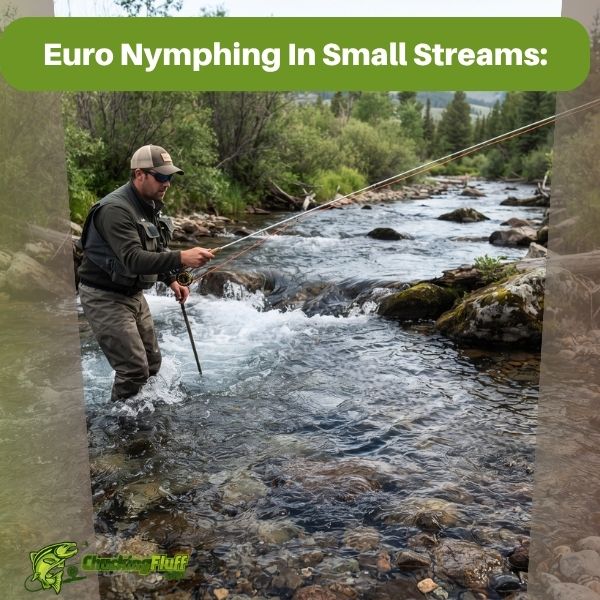
Euro nymphing has become a favorite technique for anglers who want to maximize their catch rates, especially when things get technical. While plenty of folks focus on bigger rivers with wideopen casting lanes, I find that small streams offer a different set of challenges and surprises. Fishing tight water with Euro nymphing gear takes some tweaks, creative thinking, and plenty of patience. So, if you love exploring headwater trickles and want to see just how effective Euro nymphing can be in small creeks, I’ve gathered my best tips and experiences here.
Why Euro Nymphing Shines in Small Streams
Small streams call for stealth and precision. Because Euro nymphing is about tightline control and sensitive detection, it actually works really well in these skinny waters. You can stop guessing and start feeling every subtle take. I’ve turned some tough, fishless afternoons around by switching to a Euro rig, even when casting space is tight and the pools are barely a few feet deep. The method keeps you super connected to the flies, which is great when trout are spooky or just not in a chasing mood. Plus, it’s easier to manage your drift with less current, so you get natural presentation right where fish are hiding.
Understanding the Basics of Euro Nymphing
Euro nymphing uses a long rod, thin leader, and weighted flies to deliver nearly dragfree drifts right to the trout. It skips traditional fly line, making your leader do all the casting work. The heart of this style is contact—you stay in touch with your flies, and the sensitivity helps detect strikes that you’d usually miss. While the core principles don’t change much in small streams, a few important tweaks make all the difference once things get tight.
How the Tactic Evolved
This technique grew out of international competitions, where anglers needed ways to get more fish in all types of water. In bigger rivers, you can use the full length of your rod to cover distance. In small streams, though, reaching and maneuvering can be trickier with trees, brush, and complex current seams. That’s where adapting gear and techniques comes in super handy.
Choosing the Right Euro Nymphing Gear for Tight Water
The perfect gear for Euro nymphing in small streams blends sensitivity with agility. While a standard Euro nymphing rod is often 10–11 feet, I prefer something a little shorter for overgrown creeks. Here’s how I pick my setup for small water:
- Rod Length: 9 to 10 feet offers enough reach but doesn’t snag every branch overhead. Some companies even make special rods just under 9 feet specifically for these situations.
- Rod Weight: 2 or 3 weight rods give the right action for subtle takes and keep small fish fun to fight.
- Reel: Lightweight reels balanced with the shorter rod give you control without extra bulk. I just look for reliable drag; no need to break the bank here.
- Leader Setup: I lean on a sighter (the colored mono section) I can see easily in dappled light. Long, thin leaders tapered down to 6x or even 7x tippet make casting light nymphs much easier and let the flies drop softly into shallow pockets.
Packing the Right Flies for Small Streams
My box for tight water is full of lighterweight, smallprofile jigs and nymphs. Nothing too bulky or flashy; subtle, natural patterns get the job done. Perdigons in size 16–18 work great, but I also keep some smaller Hare’s Ear and Pheasant Tail jigs in the rotation. Jig hooks help avoid snags since the point rides up, which anybody who’s untangled a rig from sunken sticks will appreciate. Tungsten beads in 2–2.5mm sizes let me pick how quickly my nymphs sink so I can cover different types of water.
Adjusting Your Approach: Reading Small Water
When you get to a smaller creek, the fish and the water both act differently compared to big rivers. The current is more variable, pool and riffle sections change quickly, and trout can see and hear you from a mile away. So, I slow everything down. Instead of wading straight in, I take a moment to study the water from a distance. Looking for subtle seams, deeper runs, and calm pockets helps a lot. Fish often tuck close to structure or under the cut banks, and being able to spot these hiding spots matters a lot more when space is tight.
Staying Stealthy
Tight water is unforgiving. Trout in a small stream react to noise and shadows much faster. I wear natural colored clothes, keep a low profile, and even kneel or crawl to get close. I make casts from downstream or the side whenever I can. Patience pays off because one misstep can send every fish darting for cover.
Tactics for Casting in Overgrown Streams
Euro nymphing in small streams often means you can’t make fulllength casts. Fly fishermen love fancy loops, but here, short and direct is your friend. I use a couple of different techniques:
- Bow and Arrow Cast: I pinch the fly, bend the rod back, and release to shoot the nymph forward. Great for shooting under limbs or when there’s zero room behind me.
- Roll Cast: Super useful if you can get a little line in front and don’t want to get tangled up in branches.
- Flip Cast: I just flip the fly upstream with minimal movement, almost like dapping.
The goal is always to keep the rig straight and not spook fish, so I avoid false casting. The leader and tippet do the work, and you learn to aim accurately with a bit of practice. Trust me, it gets easier the more times you get stuck and have to untangle; it’s part of the small stream experience!
Managing Drifts and Strike Detection in Slow and Broken Currents
Getting a natural drift is the whole point of Euro nymphing, and small streams are full of tricky currents and microeddies. I make short drifts, maybe just a couple feet at a time. I raise my arm a bit more than on big rivers to keep excess leader off the water, letting the nymph sink and drift naturally. I watch my sighter like a hawk; any pause, twitch, or hesitation gets a hook set. Staying tight to the fly is even more important when there’s less current to pull on your rig.
What to Do If your Drift Gets Dragged
Microcurrents can tug on your leader, making your drift look weird and unnatural. If I notice drag, I reposition, raise the rod, or even switch to a lighter bead head to slow things down. Lifting and dropping the rod tip changes the nymph’s depth and speed, which works really nicely for getting into little pockets behind rocks or along banks.
Working Around Snags and Obstacles
If you aren’t getting snagged now and then, you probably aren’t close enough to where fish live. That’s just how it goes in small, brushy streams. To avoid losing too many flies, I like to use jig patterns, tuck casts close to the structure but not right into it, and be quick on the uptake if I feel the bottom. Sometimes, it’s just about knowing when to let it slide and break off a fly or two. The cost is worth the chance to pick a stubborn trout out from under a logjam.
Euro Nymphing Techniques That Work in Tight Water
Small water Euro nymphing demands a mix of dapping, shortrange line management, and patience. Here are a few things I do that have brought results when nothing else worked:
- Dapping: Where overhanging branches won’t allow any kind of cast, I just drop the fly from above and dance it along in the current.
- High Stick Drifting: Lifting as much line and leader off the water keeps the fly drifting naturally right above the fish.
- Targeted Pocket Fishing: I hit every pocket and seam, moving quietly and covering water methodically. If a spot looks fishy, it usually is; trout bunch up in these tiny hideouts.
- Single Fly Rigs: Tandem rigs can get tangled in tight cover, so I usually go with one small nymph and keep it simple.
Adapting Leader and Tippet for Short, Precise Presentations
Long, thin leaders help a lot in Euro nymphing, but sometimes too much leader just gets wrapped around everything. For super bushy creeks, I chop the leader down so it matches my rod length (or even a bit shorter). For tippet, I stick with the thinnest I can get away with—usually 6x. It’s not about distance, it’s about accuracy and getting an invisible, soft landing for the fly.
Using Colored Sighters for Visual Feedback
Dappled forest light plays tricks with your eyes. I grab a sighter material in colors that pop out against green and brown; usually a bright orange and chartreuse combo. That way, even little hesitations in the drift are easy to spot and react to.
Gear Hacks and Quick Adaptations
I keep a few tricks up my sleeve for adjusting to whatever the day throws my way in small streams:
- Carry a small line nipper or scissors for quick leader adjustments.
- Slip in a foam strike indicator if visibility is low (sometimes that helps beginners see the take, even if it’s not classic Euro style).
- Have a couple of split shot on hand; sometimes extra weight helps punch flies through shallow riffles in high water months.
- Use soft hackle flies for extra movement in slow currents. They pulse and move, looking very appetizing to trout on slower days.
Staying Mobile and Covering Water Efficiently
Small stream Euro nymphing isn’t about standing in one run all day. I keep moving, fishing a likely spot for a few drifts, then moving upstream. Covering more water lets me find aggressive feeders and not burn out one area. I pack light—a small chest pack, a water bottle, and a single nymph box is really all I need for these streams. Wading quietly and keeping a low footprint is a top priority; otherwise, you might spook every fish in a 20 yard stretch with just one wrong move. Efficient movement and careful reading of the creek can help you get the most out of each fishing session, especially if you only have a couple hours to spare.
Seasonal Changes and Their Effects
On small streams, water level and clarity change everything. During early spring runoff or after heavy summer storms, water can get cloudy or rise fast. That’s when adding a bit more weight to your nymph or picking slightly bigger profiles can help fish see the fly. During late fall or in ultralow summer flows, going down in size, switching to drabber colors, and being even more stealthy pays off. Also, don’t forget to pay attention to insect hatches specific to the season; matching the hatch with your nymph choice can set you up for surprisingly productive days when the water is warm and bugs are everywhere.
Troubleshooting Common Challenges in Small Stream Euro Nymphing
Even the best setups run into trouble. Here are a few headaches I’ve run into, and what I do about them:
- Constant Snagging: Shorten your leader, switch to lighter beads, or move up to a slightly heavier tippet to pull free more easily.
- Line Visibility Issues: Change your sighter, pick a brighter or more contrasting leader color, or add a small indicator knot.
- Spooky Fish: Slow down and fish from farther back. Sometimes a longer rod helps keep you further behind, but remember the tradeoff if cover is super thick.
- Tangled Leaders: Go single fly; ties get looser in tight spots.
Personal Experience: My Best Days on Tiny Creeks
One of my favorite experiences involved a stream barely visible on the map—a foot wide in spots, a jumble of logs and overhanging grass. Euro nymphing let me drop a size 18 Perdigon into a foam line no wider than my boot. That day turned into more catches than I could believe, with fish charging from under microcutbanks for a tiny nymph drifting past. These are the days when you realize big water isn’t the only place for serious fun or impressive fish. There are even times when the overgrown cover creates less pressured, more aggressive trout, and each pocket becomes a new little adventure.
Benefits of Euro Nymphing in Small Streams
- Super sensitive strike detection, hard to beat, especially in cold or slow water conditions.
- Incredible drift control that means you fish right under the fish’s nose, where they hang out.
- Adaptable and low profile, perfect for spooky trout and shy fish that see a lot of pressure on small public creeks.
- Less gear needed: a basic rod setup, few spools of tippet, and a handful of small nymphs do the job.
Small stream Euro nymphing replaces long, looping casts with accuracy, patience, and a quiet approach. The rewards are often bigger than you’d expect. Even seasoned anglers often find new excitement in mastering Euro nymphing’s nuances when confronted with tighter conditions.
Quick Tips for Getting Started in Tight Water
- Start with a shorter Euro rod if overhead space is limited.
- Scout the stream before wading in; fish are closer to shore than you think.
- Keep your leader as short as practical, just enough for the drift.
- Use single nymph rigs to avoid tangles.
- Work every spot methodically; sometimes trout hold in ankledeep riffles or right behind a single stone.
- Practice your bow and arrow cast; it’s super useful.
- Wear drab colors to blend in with your surroundings.
- Carry plenty of small nymph patterns for different light and current conditions.
- Move carefully and limit your movement to avoid spooking whole pools.
- Stay curious; take notes on what works in your local streams, including subtle changes in light or flow.
Euro Nymphing in Small Streams: Frequently Asked Questions
1. Is Euro nymphing harder in small streams than big rivers?
Not necessarily harder; just different. You’ll deal with less casting space and more obstacles, but dialedin technique makes it really effective. If you practice patience and accuracy, it’s often easier to get takes in tight water because fish are in concentrated spots.
2. What rod length works best in overgrown creeks?
I find 9 to 10 feet works best. If things are super tight, some folks even use rods under 9 feet. Shorter rods make maneuvering easier around willows and tree limbs, and you lose very little casting range in these streams.
3. Do I need special flies compared to standard Euro nymphing?
You’ll want smaller, lighter patterns in most cases. I use size 16–18 nymphs with smaller tungsten beads. Standard Perdigons, jigs, and soft hackles are great, just sized down for tiny water and subtle presentations.
4. How do you avoid spooking fish in such tight spaces?
Approach from downstream, stay low, wear neutral clothing, and move slowly. Often, it’s worth kneeling or even crawling the last few feet. Keeping your profile small and limiting movement really improves your odds.
5. Do Euro nymphing leaders work in shallow, clear creeks?
Absolutely. Just shorten the overall length, use thinner tippet, and choose a sighter color you can see in mixed shade. Adapt leader length and visibility for conditions and you’ll get more takes.
Final Thoughts
Euro nymphing in small streams is one of those skills that grows with you. No stream is too small, no cover too tight; just a new puzzle to solve. With some quick gear tweaks and a patient approach, you’ll find even the smallest trickles can hold big memories. Next time you pass a little blue line on the map, give it a try and see what Euro nymphing can do in tight water. You might be surprised at how much water you can cover with just a rod, a few flies, and a little stealth.

Essential Fly Fishing Vest And Pack Accessories Every Beginner Should Have
Choosing The Right Waders And Boots For Fly Fishing

What is Dry Fly Fishing? A Beginners Guide
About Author
