
| Disclosure: Just to be open and honest the buttons and links you click on in the website will in most cases take you to another website where you can purchase the products I am reviewing. As an Amazon Associate I earn from qualifying purchases. |
Fly Combo Maintenance Tips For Longevity
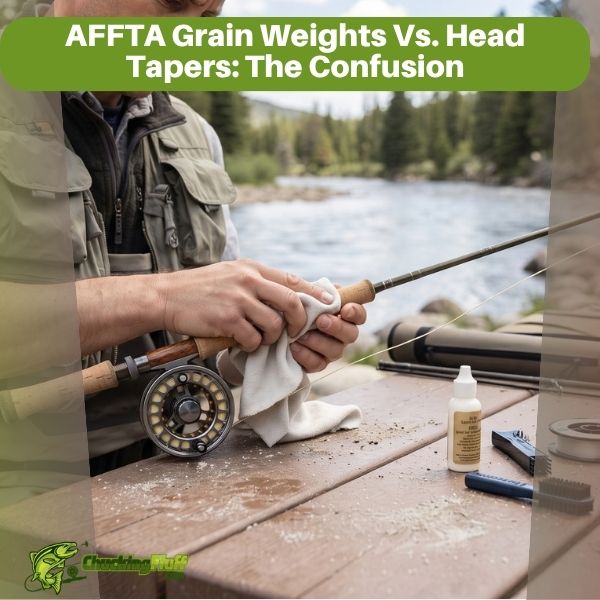
You spent good money on that rod-and-reel combo. Maybe you researched it for weeks, read every review, watched the demo videos, and finally pulled the trigger. And then… you fished it hard, rinsed it occasionally (maybe), tossed it in the garage, and forgot about it until next season.
Sound familiar? You’re not alone. Most anglers treat gear maintenance like flossing — something we know we should do more of, but rarely prioritize until something actually goes wrong. The good news is that fly fishing gear doesn’t need a complicated maintenance regimen to last for decades. It needs a handful of simple, consistent habits that take minutes, not hours. Let’s walk through exactly what those habits are and why they matter so much more than most anglers realize.
Why Maintenance Matters More Than You Think
The Cost of Neglect vs. the Cost of Care
Here’s a number that might surprise you: a quality fly combo, properly maintained, can easily outlast a decade of regular fishing. The same combo, neglected, can start showing real problems within a season or two — a gritty drag, a cracking fly line, corroded guides that shred your leader on every cast.
Think of your gear like a car. You don’t need to be a mechanic to keep a car running well for 200,000 miles — you just need to change the oil, rotate the tires, and not ignore the check-engine light. Fly gear works the same way. A few minutes of rinsing, drying, and occasional lubrication is the “oil change” of the fly fishing world, and skipping it doesn’t save you time — it just moves the cost down the road, usually in the form of a repair bill or a premature replacement.
Rod Care: Protecting Your Blank and Guides
Cleaning Your Rod After Every Trip
Your rod picks up more grime than you’d think on a typical day — dirt, sunscreen, fish slime, sand, and in saltwater situations, corrosive salt residue that loves to work its way into guide wraps and reel seat threads. A quick rinse with fresh water and a wipe-down with a soft cloth after every outing prevents that buildup from ever becoming a real problem. It sounds almost too simple to matter, but this single habit is responsible for more long-term rod health than any specialty product you could buy.
Storing Your Rod the Right Way
Rod Tubes and Sleeves
Leaning your rod against a garage wall or tossing it in the back of a truck is basically an invitation for a cracked tip or a snapped section. A proper rod tube or padded sleeve keeps your blank protected from impacts, pressure, and the kind of accidental door-slam that ends a season early. It’s a small investment that protects a much larger one.
Ferrule Care and Alignment
The ferrules — the joints where rod sections connect — are more delicate than they look. Always take a moment to align the guides properly when assembling your rod rather than forcing sections together at an angle, which can create stress cracks over time that aren’t visible until the rod fails at the worst possible moment. A light coating of ferrule wax (yes, this is a real product, and yes, it’s worth having) keeps sections sliding together smoothly and prevents them from binding or wearing unevenly.
Reel Maintenance: Keeping the Drag Smooth
Rinsing and Drying After Saltwater or Dirty Water
If there’s one universal rule in fly reel care, it’s this: saltwater is the enemy, and it never sleeps. Salt crystals form as water evaporates, and those crystals work their way into drag systems, bearings, and spool mechanisms, creating grit that grinds away at parts designed for smooth, precise operation. A thorough freshwater rinse after every saltwater session — and a reasonably regular rinse even in freshwater, since dirt and grime accumulate everywhere — keeps that corrosive process from ever gaining a foothold. Let the reel air dry completely before storing it; sealing moisture inside a reel case is basically building a tiny corrosion incubator.
Lubrication: What, When, and How Much
Reels need lubrication, but here’s where a lot of anglers overcorrect: more grease isn’t better. Most manufacturers recommend a very light application of reel-specific oil or grease on moving parts — drag knobs, spindles, bearings — maybe once or twice a season for average use, more often in harsh saltwater conditions. Over-lubricating attracts dirt and grit, which then gets ground into the very parts you were trying to protect. When in doubt, check your reel manufacturer’s specific guidelines, since drag systems vary meaningfully between sealed and unsealed designs.
Fly Line Care: The Part Everyone Forgets
Cleaning Your Line Regularly
Fly lines pick up dirt, algae, sunscreen, and fish slime constantly, and that grime does two things: it makes your line cast worse by adding friction through the guides, and it slowly degrades the line’s coating over time. Wiping your line down with a soft cloth and a dedicated line cleaner every few outings — or simply running it through a wet cloth as you reel in at the end of a session — keeps it casting smoothly and extends its usable life considerably. Think of it as washing your car regularly instead of letting road grime bake into the paint for years.
Storing Line to Prevent Memory and Cracking
“Line memory” — those annoying coiled loops that won’t lay straight — happens partly from age and use, but storage habits make it worse or better. Avoid storing reels in extreme heat, like a car trunk in summer, since heat accelerates the breakdown of a line’s plastic coating and makes it more prone to cracking. Stretching your line gently before a day of fishing helps work out minor memory, and storing reels in a cool, dry place between seasons prevents the kind of slow degradation that sneaks up on anglers who assume line just lasts forever.
Backing and Leader Maintenance
Checking Backing Connections
Backing rarely gets attention until the moment you desperately need it — hooked into a genuinely strong fish that’s stripping line fast. Periodically checking that your backing-to-line and backing-to-reel connections are sound, and that the backing itself isn’t frayed or discolored from age, means that when a big fish finally tests your whole system, it doesn’t fail at the one connection nobody thought to check.
Leader and Tippet Storage
Leaders and tippet degrade from UV exposure over time, becoming brittle and weaker even if they look fine to the naked eye. Store spools away from direct sunlight, and if a spool has been sitting in a hot glove box or tackle box for a year or more, it’s worth replacing rather than trusting on a fish that matters. Tippet is cheap. Losing a great fish to old, sun-baked material is not a trade worth making.
Seasonal Maintenance Routines
End-of-Season Deep Clean
Before you pack gear away for the off-season, give everything a proper once-over: fully disassemble and clean your reel according to the manufacturer’s guidelines, wipe down and inspect your rod section by section, clean and dry your line completely, and replace any leaders or tippet that look questionable. This is also the moment to catch small problems — a loose guide, a slightly gritty drag — while they’re easy and cheap to fix, rather than discovering them on opening day next season.
Pre-Season Inspection Checklist
Before your first trip back out, do a quick systems check: cast a few practice loops to make sure the line still shoots smoothly, check the reel’s drag for smooth engagement, inspect guides for any grooves or cracks that could fray your leader, and give everything one more wipe-down. Ten minutes now saves you a ruined first outing of the season.
Common Mistakes That Shorten Combo Lifespan
The single biggest mistake is simply skipping rinsing after saltwater use, assuming “it’ll be fine” until corrosion becomes visible — by which point real damage has already occurred. A close second is storing gear wet, which invites mildew, corrosion, and line degradation all at once. Overtightening reel drag knobs when not in use, forcing rod ferrules together at bad angles, and letting line sit dirty for entire seasons are all quiet, cumulative mistakes that don’t show consequences immediately but absolutely add up.
Building a Simple Maintenance Kit
You don’t need a complicated toolkit here. A soft microfiber cloth, a bottle of line cleaner/dressing, a small tube of reel lubricant recommended by your reel’s manufacturer, ferrule wax, and a rod tube or sleeve covers essentially everything discussed above. Keep this small kit in your fishing bag or garage, and maintenance stops being a chore you have to plan for — it becomes something you just do, the same way you’d rinse off wading boots without thinking twice.
Conclusion
Fly combo maintenance isn’t glamorous, and it’s never going to be the exciting part of the sport — but it’s the quiet, unglamorous habit that determines whether your gear lasts two seasons or twenty. Rinse and dry your rod and reel after every trip, keep your line clean and out of extreme heat, check your backing and leader material before it matters most, and give everything a proper deep clean at the end of each season. None of this takes much time, and all of it pays off in smoother casts, fewer surprise failures, and a combo that’s still performing beautifully long after cheaper, neglected gear has been replaced twice over. Treat your gear well, and it’ll return the favor every time you’re on the water.
Frequently Asked Questions
1. How often should I clean my fly line?
Wiping it down every few outings with a soft cloth or dedicated line cleaner is a good baseline, with a more thorough cleaning at least once per season or more often if you fish dirty, algae-heavy water regularly.
2. Is it necessary to rinse my reel after every freshwater trip, or just saltwater?
Saltwater rinsing is non-negotiable, but even freshwater fishing exposes your reel to dirt, sand, and grime, so a regular rinse — even if less urgent than after saltwater use — helps keep everything running smoothly long-term.
3. Can I use regular household oil to lubricate my reel?
It’s best to avoid this and use a lubricant specifically recommended by your reel’s manufacturer, since household oils can be too thick, too thin, or chemically incompatible with certain reel materials and seals.
4. How do I know if my fly line needs to be replaced rather than just cleaned?
Look for visible cracking, a sticky or tacky coating, noticeable loss of buoyancy in a floating line, or persistent memory that stretching and cleaning won’t resolve — these are signs the line’s coating has broken down beyond simple maintenance.
5. Does storing my rod assembled or broken down matter for longevity?
Breaking your rod down into sections for storage is generally better, since it reduces stress on the ferrules and takes up less space in a way that’s less likely to result in accidental pressure or impact damage.

The Unexplored Dimensions of Successful Fly Fishing
Can I Put 3x Tippet On A 5x Leader? Rig Guides

How to Fly Fish – Tips for the beginner.
About Author
