
| Disclosure: Just to be open and honest the buttons and links you click on in the website will in most cases take you to another website where you can purchase the products I am reviewing. As an Amazon Associate I earn from qualifying purchases. |
The Benefits Of Upgrading Your Fly Combo
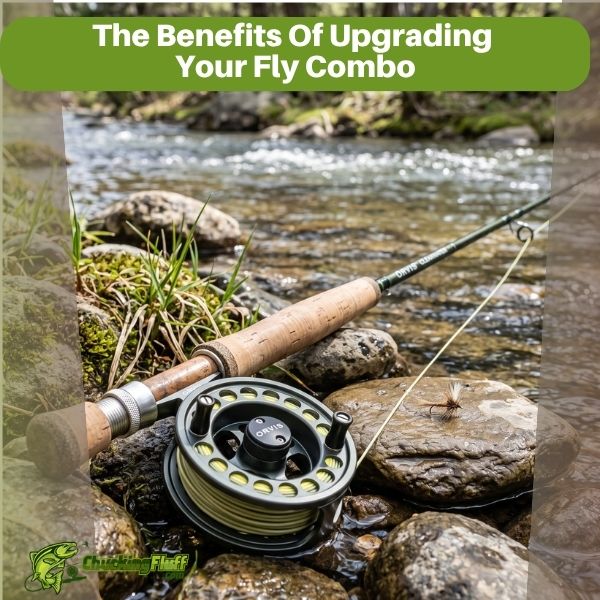
If you spend any amount of time on the water chasing trout, bass, or even saltwater species, you already know your fly combo—your rod, reel, and line—can totally change how your day plays out. Upgrading isn’t about showing off the latest high-dollar setup; it’s about making the experience smoother, easier, and just more fun. Many anglers start out with the basic package deals, and those kits get the job done for a while. Once skill and passion grow, though, that starter combo often starts showing its limits pretty quickly.
Why Your Fly Combo Actually Matters
It might seem like any old rod and reel will do, but the fly combo you use plays a huge role in your success and enjoyment on the water. Upgrading can solve a lot of the little hassles you put up with, like annoying tangles, missed strikes, and sore arms after a long day. Even if you’re not chasing trophy fish, a good fly combo can help you cast farther, land flies more accurately, and fight fish with more confidence. Over the years, my own upgrades have given me a much lighter, more responsive setup. Honestly, I noticed the difference on my very first cast.
Who Really Benefits From Upgrading?
Most people think upgrades are for serious anglers or guides, but anyone can benefit. If you’re getting frustrated with short, inaccurate casts or if you’re tired of wrestling with sticky reels and limp rods, it’s worth looking into an upgrade. Casual fishers who take the time to upgrade get more use out of their gear, with less energy wasted trying to overcome basic issues. Even weekend anglers will notice improved comfort and performance out on the water.
Signs Your Current Fly Combo Is Holding You Back
Before dropping cash on new gear, check for these signs your current setup is making things harder than they need to be:
- Frequent tangles: Cheap fly line and poor guides often lead to annoying tangles and knots.
- Lack of casting distance: Starter rods are usually stiffer or too whippy for satisfying longer casts.
- Poor accuracy: Older combos struggle to put flies where you want, especially in wind or tricky spots.
- Physical fatigue: Heavier, unbalanced rods tire your arm out much faster.
- Sticky drag: Entry-level reels don’t protect lighter tippets or handle strong runs well, risking breakoffs.
Recognizing these issues is really important. For me, swapping to a stiffer rod made a bigger difference to my accuracy and fatigue levels than just about anything else. Paying attention to these warning signs saves you from wasted days on the water.
Makes Casting Feel Effortless
One of the first things I noticed after upgrading my fly combo was how much less effort every cast took. Modern rods are designed for better energy transfer, so you can load and shoot line far more efficiently. If you spend most of your time rolling and correcting your casts instead of placing your fly, that’s a sign your current setup isn’t up to the task. The right upgrade makes casting a little smoother and gives you more control, helping you drop the fly right where the fish are feeding, even from tricky angles and variable currents.
Improves Presentation and Accuracy
When your fly lands softly and goes exactly where you want, you’re way more likely to hook up, especially when fish are wary. Rods and lines in upgraded combos tend to have quicker recovery and better balance, meaning less bounce and wobble as the line unrolls. A quality rod tip makes all the difference for delicate presentations, especially on small streams or for dry fly fishing. This is something I really appreciate after years of watching my fly slap the water with old gear. Improved accuracy translates directly into more fish landed and less time untangling line.
Reduces Fatigue on the Water
Swinging a heavy rod all day gets old fast. Upgrading to lighter and more ergonomic gear can mean fishing longer and with a lot less wear and tear on your wrist and shoulder. Modern graphite and carbon fiber construction has changed the game, sending a lot more power into the blank and leaving your arm feeling a lot less used up at the end of the day. Those extra hours fishing without soreness can mean the difference between frustration and a successful outing.
Handles Bigger Fish More Effectively
Landing bigger fish isn’t only about luck. Upgraded combos pair strong, smooth reels with rods that give you better leverage and control, letting you keep big trout or bass out of snags and on the right side of your line weight. If you’ve ever had a dream fish break off because your drag stuck or your rod just couldn’t handle the shock, you’ll appreciate how a better combo can put the odds back in your favor. Solid upgrades mean more fish in the net and fewer sad stories about the one that got away.
Modern Combos Are More Durable
Early on, I went through a lot of broken guides and corroded reel seats. Newer fly combos use anodized aluminum, stainless steel, and composite materials that hold up to heavy use and even a bit of saltwater spray. Upgraded rods are less likely to crack under pressure, and reels don’t jam up at the worst moments. That peace of mind is worth a lot if you fish often and want your investments to last. Plus, more durable gear is better for travel and won’t let you down when you’re far from a tackle shop.
Customizes Your Fishing Experience
Once you decide to upgrade, you get to dial in gear that fits the specific water and fish you spend time with. Are you fishing fast-moving freestone streams? Go for a fast-action rod with a responsive tip. Are you into big flies and chucking streamers? Pick a combo with enough backbone to throw weighted lines. The customization side is pretty fun, and suddenly you’re not just getting by; you’re building a system for your style and water. This deeper level of personalization can rekindle your excitement for fishing, helping you get more consistent results.
The Role of Quality Fly Line in an Upgrade
It’s easy to forget about fly line, but even the nicest rod and reel won’t shine with a limp, cracked, or low-quality line. Most retail combos come with generic floating line that might feel sluggish or get sticky in the guides. Upgrading your combo often means getting line with a specific taper, density, or coating for your fishing style, like aggressive weight-forward lines for throwing streamers, or double taper for smooth presentations on spring creeks. If you do only one thing, upgrading your line can completely refresh your old combo, sometimes even more than a new rod or reel alone. Plus, premium fly lines cast further and float higher, making every aspect of fishing noticeably better.
Fly Line Maintenance Tips
- Clean your fly line every few trips to prevent buildup and keep it slick
- Use line conditioner for extra distance and smoother pickups
- Replace line if you see cracking or if it won’t float well
Even new line gets dirty, and a quick wipe-down can get back lost performance. Little maintenance habits pay off in increased casting distance and accuracy, so don’t overlook this easy upgrade for your setup.
Better Drag Systems Help Land More Fish
The real test of a fly reel is under the stress of a running fish. Upgraded reels usually come with sealed drags, smooth startup inertia, and precise adjustments that let you play fish quickly and efficiently. This is a big one if you’re targeting species like carp, salmon, or bonefish, which can rip a lot of backing and expose any weakness in your gear. A good drag system saves you from heartbreak just as much as sharp hooks do. The ability to trust your drag takes the pressure off during high-speed runs, making the battle more about skill than luck.
Fast vs. Slow Action: What’s Best for You?
If you’ve only ever used a medium-action starter rod, you might be surprised at how different fast and slow actions feel. Fast-action rods load and shoot line really well, perfect for windy days, big rivers, and long casts. Slow-action rods flex more and excel for delicate dry fly fishing where finesse matters more than distance. The upgrade isn’t just about spending more; it’s about choosing an action that matches how and where you fish. Testing rods side by side at a local shop is a great way to notice the difference in feel and performance for your technique.
Cool Features That Make Upgraded Combos Worth It
- Latest graphite blends: Lighter and more responsive than basic fiberglass or low-grade graphite
- Ergonomic handles: More comfortable for all-day use and offer better grip in wet conditions
- Alignment dots: Help quickly put rods together on the river
- Large arbor reels: Faster line pickup and less line memory for smoother drifts
- Interchangeable spools: Swap from floating to sinking line instantly
- Corrosion-resistant parts: Essential for those who fish saltwater or humid climates
I especially like combos with alignment dots, since that gets me on the water faster. Small design tweaks and extras can make a big difference in comfort and performance. Seek out these features when choosing your next upgrade for more value over time.
Cost vs. Value: Upgrading Without Overspending
The world of fly fishing can get expensive fast, but you don’t have to spend a fortune for a meaningful upgrade. There are plenty of midrange options offering most of the benefits mentioned for less than a high-end smartphone. Try to prioritize the weakest link in your current setup, like the reel, line, or rod. It’s usually better to selectively upgrade components instead of dropping a ton of money on a fancy outfit you may not need. Careful research helps buyers make informed decisions, so checking trusted forums and local shops for advice is pretty handy. Everyone’s needs and budgets are different, and chasing trends doesn’t always lead to better fishing.
When To Upgrade: Timing It Right
If you spend at least a handful of days on the water each month and find yourself getting frustrated with your gear, you’re ready for an upgrade. If you just fish a few times each summer, it makes sense to keep using your current combo until something fails or you’re ready to go deeper into the hobby. Trusting your gut here works pretty well; if you’re curious and excited to try new gear, now might be the time. Ultimately, it’s your comfort and results that make the call—not outside pressure or marketing.
What To Consider Before Upgrading
Here are the things I always look at before making the jump:
- Target species: Heavier rods and reels are needed for big fish or saltwater, while lighter ones work fine for trout and panfish.
- Local water types: Small streams, big rivers, lakes, and saltwater each need different gear setups.
- Casting style: Fast-action rods suit aggressive casters; moderate and slow for beginners or technical fishing.
- Reel drag performance: Go for reels with smooth and reliable drag mechanisms.
- Line capacity: Ensure your reel holds enough backing for chasing bigger species.
- Budget: Decide what matters most—rod, reel, or line—and allocate your money accordingly.
Matching the right upgrade to your fishing style makes a lot more difference than just picking what looks cool or expensive. Seek gear that best complements your needs and the places you love to fish.
How Upgrading Boosts Your Learning Curve
Clean, responsive gear helps you focus on what’s important: reading the water, watching insects, and working on your casting mechanics. It also makes getting advice from others easier, since so much fly fishing instruction assumes you’re using modern, well-matched equipment. I’ve noticed new skills click much faster after each major upgrade. It’s pretty motivating to land a tough fish or make a tight cast, then realize it’s partly because your gear is finally working with you instead of against you. The right tool in your hands shortens the learning process, letting you see real improvement session after session.
Frequently Overlooked Perks of Upgrading
- Confidence boost: New gear makes you want to get out more often and take on trickier fish.
- Increased versatility: Interchangeable spools and better lines let you adapt to different conditions on the fly.
- Resale value: Decent gear holds value, so you can trade up later without losing out.
- Social benefits: Upgraded setups help you join group trips and learn from more advanced anglers.
Sometimes, just having a bit of gear envy at the river is enough to push you into trying something new, and it usually pays off. Even small upgrades often open the door to new fishing buddies and techniques, building your confidence as an angler.
How to Upgrade: A Simple, Step-by-Step Guide
- Identify your main frustrations: Is it weight, casting distance, or big fish handling?
- Set a realistic budget: Don’t feel pressured to buy top shelf if you only need a moderate jump in quality.
- Research the best options for your needs: Local fly shops and trusted online forums are great resources.
- Test before you buy: If you can, cast a friend’s or shop demo model to feel the difference firsthand.
- Upgrade components if needed: Sometimes just a new line or reel can give your rod a new lease on life.
- Get advice: Chat with guides or shop employees, they’ve seen what actually works in your area.
Wrapping Up
Upgrading your fly combo isn’t about chasing the latest trend. It’s about making your time on the water smoother, more productive, and just plain more enjoyable. A refreshed fly combo often means more confidence, better casts, and way more memorable fish. Whether you grab a new reel, finally swap out that worn fly line, or splurge on an eye-catching rod, the right upgrade takes away frustration so you can just focus on fishing. It’s definitely worth checking out if you want to feel what you’ve maybe been missing. Next time you’re on the fence about an upgrade, consider how much more fun your days on the water could be with the right gear by your side.
FAQs About Upgrading Your Fly Combo
Q: Do I need to upgrade all pieces of my combo at once?
A: Nope. Many anglers upgrade just one component, like a new reel or better fly line, and see major improvements right away.
Q: How do I know what action rod suits my casting style?
A: Try rods at a local shop. Fast-action rods work for quick, long casts, while slower action is easier for gentle dries and short work.
Q: Will upgrading my fly combo help me catch more fish?
A: It often does. Better accuracy and less fatigue usually lead to more hookups and a smoother fight.
Q: What’s the most impactful part to upgrade first?
A: Fly line is a great place to start. A quality line on even a basic rod can really boost performance.
Q: Is upgrading worth it if I only fish a few times a year?
A: If you’re happy with your current setup, stick with it. But if you hit the water more, upgrades become a lot more noticeable and useful.

Is The Orvis Clearwater Fly Combo Worth The Investment?
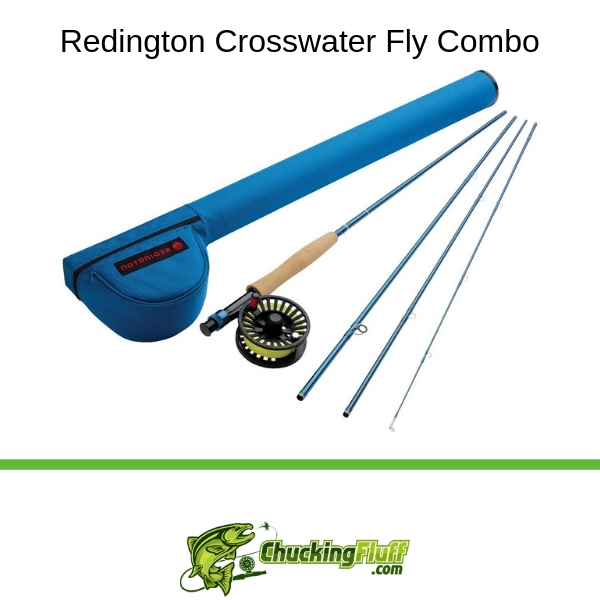
Redington Crosswater 4 Piece 9ft 5-6 – Budget Friendly Combo
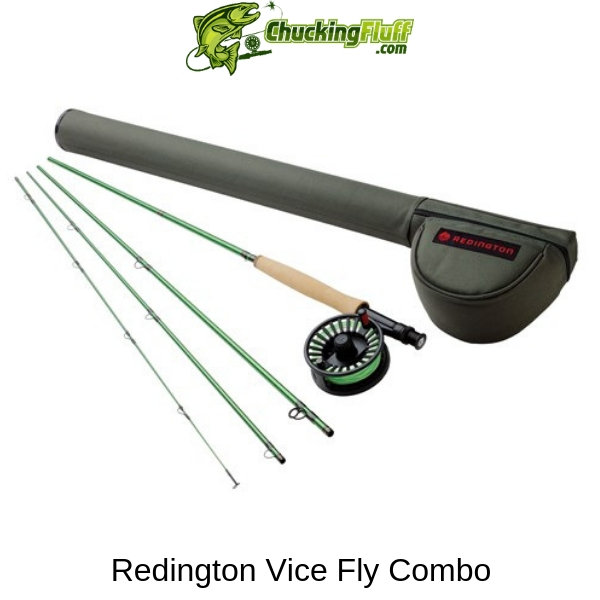
Redington VICE Fly Fishing Outfit Review – Rod and Reel Combo
About Author
