
| Disclosure: Just to be open and honest the buttons and links you click on in the website will in most cases take you to another website where you can purchase the products I am reviewing. As an Amazon Associate I earn from qualifying purchases. |
What is dry fly fishing? A beginner’s guide
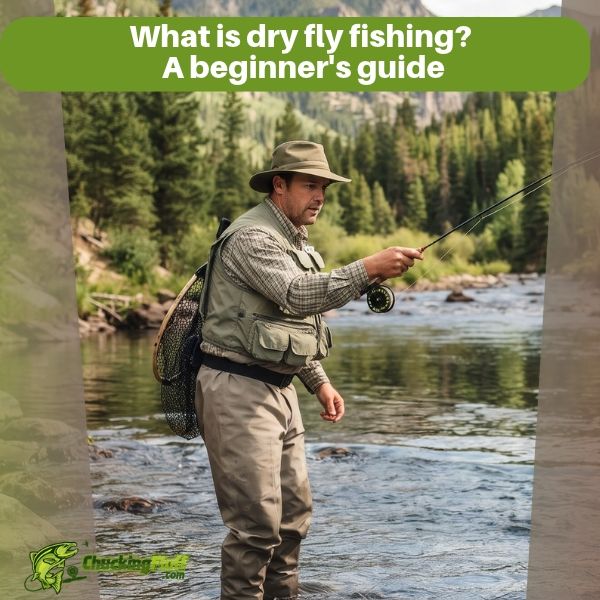
Dry fly fishing is a way of fishing with an artificial fly that floats on the surface of the water, imitating an insect a trout might eat. You cast it, let it drift, and the fish takes it where you can see it happen. It is the most visual form of fly fishing.
So what is dry fly fishing in practice? You are presenting a small, light fly so it drifts down the current the way a real insect would, with no weight pulling it under. If a fish accepts it, you see a swirl, a ring or a mouth break the surface. Then you lift the rod and the fight starts.
How does a fish take a dry fly, and why is it so fun to watch?
A fish takes a dry fly by rising from below, opening its mouth at the surface and closing it on the fly, often leaving a ring on the water. Some rises are slow, with just a nose or a lip showing. Others are quick splashes.
Trout feed on whatever drifts past, and on the surface that means adult insects such as mayflies, caddis and midges. Land insects like ants, beetles and grasshoppers also blow onto the water and get eaten. A dry fly copies one of these.
This is why beginners tend to enjoy it. With a nymph, you are guessing what is happening underwater and watching a line or an indicator for hints. With a dry fly, the whole event is on the surface. You see the fly, you see the fish come up, and you know exactly when to react.
It also teaches you something useful. Watching rises tells you where fish are feeding, how fast they are eating and whether they are looking at your fly or ignoring it.
What gear do you need to start dry fly fishing?
You need a short list of gear: a rod, reel and line, a leader with tippet, floatant and a few flies. Dry fly fishing does not call for specialised equipment, and a general trout setup handles it well.
- Rod: A 9-foot rod in a 4 or 5 weight is the usual all-round starting point for trout.
- Reel and line: A simple reel loaded with weight-forward floating line. Buying these together is often easier on a beginner, and why a fly fishing combo is good for beginners covers the reasoning.
- Leader and tippet: A tapered leader, around 9 feet, plus spools of tippet to extend it as you change flies. Choosing the wrong diameter is a common beginner error, so read what tippet size to use for dry flies before you buy.
- Floatant: A gel or powder that keeps the fly sitting high on the water. You apply it to the fly, not the leader.
- Flies: A handful of patterns in a few sizes is plenty to start.
- Small extras: Polarized sunglasses help you see rises and fish, and nippers and forceps handle line cutting and hook removal.
Waders are optional if you can fish from the bank or wade in warm shallows. If your water is cold or you want to move into the stream, how to choose your first pair of fly fishing waders will save you from a poor purchase.
What does a dry fly look like, and how do you choose one?
A dry fly is a light hook dressed with fur, feathers or foam so it floats and looks like an adult insect from below. Common designs have an upright wing, a slim body and hackle feathers that hold the fly up on the surface film.
When you are starting, size and silhouette matter more than pattern names. A trout looking up sees a shape against the sky, so a fly close to the size and profile of the natural insect usually does the job. Colour matters less than most beginners expect.
A sensible approach is to look at what is on the water or in the air, then pick the fly that is closest in size and shape. If you are not seeing insects, a general-purpose pattern in a mid size is a reasonable first guess.
For a wider view of how dry flies sit alongside nymphs and streamers, the beginner’s guide to choosing a fly lays out the differences.
How does a first dry fly cast and drift work?
A first dry fly cast is simple: put the fly upstream or across from a feeding fish and let the current carry it back over the fish without the line pulling it off course. Follow this sequence:
- Spot a rise. Watch the water for a minute before you cast. Note where the fish is and where the current will carry your fly to it.
- Cast upstream or across. Land the fly a few feet above the fish so it has time to settle and drift naturally. Aim to place the fly, not splash it.
- Mend the line. If the current is dragging your line faster or slower than the fly, flick a small arc of line upstream to slow the pull.
- Watch for drag. Drag is the fly skating or wobbling unnaturally against the current. Fish tend to refuse a dragging fly, so recast if you see it.
- Set the hook gently. When a fish takes the fly, lift the rod tip smoothly. A hard yank snaps light tippet and pulls the fly out of the fish’s mouth.
- Release the fish. Wet your hands, keep the fish in the water as much as possible, remove the hook quickly and let it swim away.
Expect to miss strikes at first. Most beginners react too early or too hard, and that is normal.
When does dry fly fishing work best, and when should you switch?
Dry fly fishing works best when fish are feeding on the surface, which usually means during a hatch, when insects emerge and float on the water. You will often see rises, sometimes many at once, and trout are keyed in on the surface.
Time of day and conditions shape this. Insects tend to hatch in particular windows, often mornings, evenings or warm afternoons, depending on the season and the water. Calm, slower sections of a stream make rises easier to spot, while fast, broken water hides them and makes a good drift harder.
If you are seeing no rises and no insects, the fish are probably feeding underneath. Trout eat much of their food below the surface, so switching to a nymph is often the right move. If you are unsure which method to start with, dry fly vs nymph fishing for beginners compares the two.
A good habit is to start with a dry fly when fish are visibly feeding on top, and change to something subsurface when the surface goes quiet.
What mistakes should you avoid on your first day?
The most common first-day mistakes are casting too close to the fish, dragging the fly and using tippet that is too heavy. A short list of do’s and don’ts keeps your first outing productive.
Do:
- Watch the water before you cast.
- Approach slowly and keep a low profile.
- Check your fly is still floating, and reapply floatant when it sinks.
- Keep your casts short and accurate.
Don’t:
- Cast directly over a rising fish with the line.
- Strike hard when you see a rise.
- Keep casting after the fly has dragged.
- Change flies constantly before giving one a fair drift.
Once you have these down, dry fly presentation mistakes that spook fish goes deeper on why fish refuse a fly. For the next level of technique, dry fly fishing tips and tricks is the one to read.
FAQ
Do I need a special rod for dry fly fishing?
No. A general-purpose 9-foot, 4 or 5 weight trout rod handles dry flies well. Special dry fly rods exist, but you do not need one to start.
Can I dry fly fish for fish other than trout?
Yes. Panfish and bass will take floating flies, and so will other species that feed at the surface. The technique is the same: a fly on top of the water, a natural drift and a gentle hook set.
Is dry fly fishing harder than nymphing?
They are hard in different ways. Dry fly fishing makes it easier to see what is happening, but it asks for a clean drift and good fly presentation. Nymphing hides the action underwater, so spotting a take takes practice.
Do I need waders to fish dry flies?
Not always. If you can reach feeding fish from the bank or from shallow water in warm weather, you can start without them. Waders become useful in colder water or when you need to get into position.
How many flies should I buy to start?
A small handful is enough. Pick a few patterns in a couple of sizes rather than a large assortment, and add more once you see what the fish are eating on your water.
What should you do next?
Dry fly fishing comes down to a floating fly, a natural drift and a fish you can watch take it. Get a basic setup together, find a stretch of water where fish are rising, and spend your first outing on watching and short, accurate casts.
Ready to choose what goes on the end of your line? Read The Best Dry Flies for Beginners, Season by Season to pick your first few patterns.
Fly Tying Techniques For Beginners – Steps to get Started
How to Choose a Fly Line – Some advice for beginners
Fly Combo Buying Guide For Budget-Conscious Anglers
About Author
