
| Disclosure: Just to be open and honest the buttons and links you click on in the website will in most cases take you to another website where you can purchase the products I am reviewing. As an Amazon Associate I earn from qualifying purchases. |
Exploring Different Fly Fishing Accessory Brands
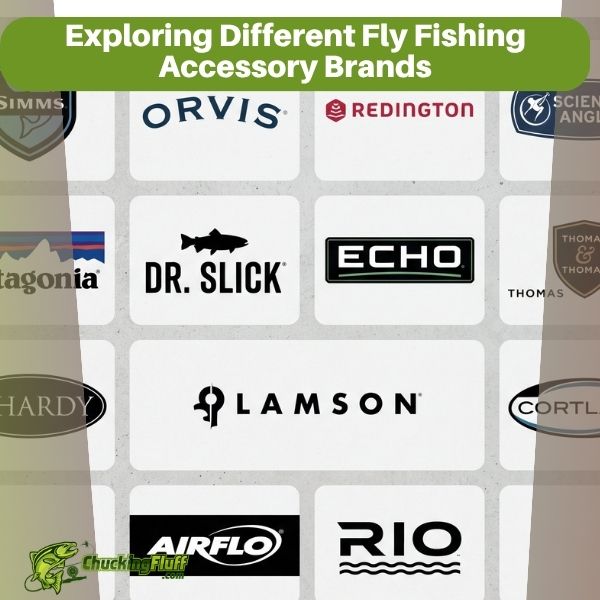
Some brands have spent decades refining the load of a rod tip or the quiet consistency of a drag. Others focus on keeping cold water out of your boots or giving you a clear window through polarized lenses. Exploring different fly fishing accessory brands is not about collecting logos. It is about finding tools that match the waters you fish, the way you cast, and the budget you can sustain.
This guide walks through the major categories and names several brands that consistently do well in each one. You will see patterns. Some companies excel at approachable gear that helps beginners succeed. Others chase absolute performance for experienced anglers. A few manage both. The goal is to give you real places to turn so you can build a kit that feels natural in your hands rather than a random pile of parts.
Why Brand Choice Shapes Your Fly Fishing Experience
Think of brands as different coaches. One emphasizes forgiveness while you are still learning timing. Another assumes you already know how to load a rod and focuses on transferring every bit of energy into tight loops. A third prioritizes toughness because its customers fish rocky rivers where gear takes a beating.
When a brand’s priorities line up with yours, fishing feels smoother. Casts land closer to the target. Line shoots cleanly. Waders keep the chill out without turning into a personal sauna. When the priorities clash, you spend energy fighting the equipment instead of reading the current.
Reputation also carries practical weight. Established companies usually stand behind their products with warranties and service networks. That matters when a reel needs a new drag washer or a rod section cracks on a rocky hike out. Newer brands can offer excellent value, but you may trade some of that long-term support.
Treat brands as tools rather than identities. Collect experience with a few, notice what feels right, and let the rivers decide which ones earn permanent spots in your kit.
Rod Brands That Balance Performance and Forgiveness
A fly rod is the most personal piece of gear you own. It has to load with your casting stroke, recover quickly enough to form a clean loop, and still feel lively after hours of use. Different brands approach that challenge with distinct philosophies.
Entry-Level Rod Makers for New Casters
Some companies specialize in rods that help beginners succeed quickly. Redington offers approachable graphite rods with moderate actions that load easily at short to medium distances. Echo builds forgiving rods that straighten even imperfect casts and often come in complete outfits that remove the guesswork of balancing a reel and line. Orvis also produces solid entry-level series that prioritize durability and ease of casting so new anglers spend less time fighting the rod and more time learning the water.
These brands understand that frustration is the biggest enemy of a new fly fisher. A rod that refuses to load until you generate perfect speed can turn a fun afternoon into a tangle-filled chore. By focusing on smooth loading and reasonable prices, they help more people stick with the sport long enough to develop real skill.
Mid-Range and Premium Rod Specialists
As casting improves, the difference a refined blank makes becomes obvious. Sage is widely respected for fast-action rods that recover quickly and track true, especially in their higher-end series. Winston is known for rods with a more classic, progressive feel that many dry-fly anglers love for delicate presentations. Scott builds rods with distinctive actions that appeal to anglers who want a lively yet controlled cast. G. Loomis and Thomas & Thomas also sit in the premium space, offering high-modulus graphite and carefully designed tapers for technical work.
These companies invest in better materials and tighter manufacturing tolerances. The result is rods that communicate what the line is doing during the cast and the fight. You pay more, but the payoff appears in consistency and feel.
What Separates a Good Rod Brand from a Great One
Great rod brands listen to the water as much as they listen to marketing. They put prototypes in the hands of guides and serious anglers, then refine the taper based on real feedback. They also understand that a rod’s action should match its intended use rather than chasing the latest trend toward ever-faster tips. A brand that can produce both a soft presentation rod and a powerful streamer rod under the same roof usually has deeper design knowledge than one that only makes one style well.
Reel Brands Built for Smooth Drags and Durability
The reel’s job looks simple: hold line and apply resistance when a fish runs. Doing that job quietly, smoothly, and for years in wet, sandy conditions is harder than it appears. Reel brands diverge sharply in materials, drag systems, and weight.
Budget-Friendly Reels That Still Perform
Affordable yet reliable options exist. Redington and Echo produce reels with solid disc or click-and-pawl systems that handle most trout fishing without drama. Orvis offers approachable large-arbor reels that balance well on mid-weight rods and provide smooth enough drag for everyday use. Lamson also delivers good value in this range with lightweight designs and dependable performance.
These reels may lack sealed drags or exotic alloys, yet they often feel balanced and retrieve line adequately. For many anglers a solid mid-priced reel is the sweet spot. It offers adjustable drag, a large enough arbor to reduce line memory, and enough quality that the spool spins freely for several seasons.
High-End Reel Makers Known for Precision
Premium reel brands treat the drag as a precision instrument. Abel is known for beautifully machined reels with smooth, reliable drags and distinctive finishes. Hatch builds sealed-drag reels that keep grit and water away from the friction surfaces and pick up line quickly during hot runs. Sage and Orvis also produce higher-end models with refined drag systems and lightweight yet rigid frames. Nautilus and Tibor are respected for strength and smoothness, especially when anglers move into bigger fish or occasional saltwater use.
The difference becomes obvious when a strong fish makes a long run. A high-end drag stays consistent instead of stuttering or locking up. That consistency protects light tippets and gives you more control.
Fly Line Brands That Deliver Consistent Casts
The fly line is the true engine of the cast. A good line loads the rod efficiently, shoots through the guides with minimal friction, and floats or sinks as designed for season after season. Line brands compete on taper design, coating durability, and core strength.
Classic Line Producers Trusted for Decades
Scientific Anglers has refined floating and sinking lines for so long that many of their taper designs feel like industry standards. Rio is equally trusted for consistent performance and specialized lines that match different techniques. Orvis produces reliable weight-forward lines that pair well with their rods and suit a wide range of anglers. Cortland also maintains a long reputation for durable coatings and practical tapers.
When you buy from these established names you usually get predictable performance right out of the box. Their coatings resist cracking and dirt pickup better than generic alternatives.
Modern Innovators in Taper and Coating Technology
Airflo has pushed textured coatings and unique core designs that many anglers find shoot farther and stay slick longer. Rio and Scientific Anglers continue to innovate with dual-colored lines, specialized heads for streamers or delicate presentations, and coatings that shed dirt more effectively. These advances can improve casting efficiency, especially for anglers who fish many days a year and notice small differences in shootability and durability.
The key is matching the line’s personality to your rod and typical fishing distances. A line designed for long casts on big rivers may feel clumsy on a small stream. Most of these brands publish detailed taper charts that help you make that match.
Leader and Tippet Brands for Reliable Connections
Leaders and tippets are the quiet heroes of every successful presentation. Rio produces consistent tapered leaders and tippet material in both nylon and fluorocarbon that many anglers rely on for daily fishing. Scientific Anglers offers reliable options with good knot strength and accurate diameters. Orvis also supplies quality leaders and tippet that pair well with their other gear. Trouthunter and Umpqua are respected for specialized tippet and leader products that hold tight tolerances so a labeled 5X really performs as expected.
Nylon remains popular for its stretch and ease of knotting. Fluorocarbon offers lower visibility and faster sink rates for subsurface work. Keeping both materials from trusted makers lets you choose the right option for the day’s conditions.
Wader and Boot Brands That Keep You Dry and Stable
Nothing ends a fishing day faster than a leak or a slip on slick rocks. Wader and boot brands therefore compete on fabric technology, seam construction, fit systems, and sole design.
Breathable Wader Specialists
Simms is widely regarded for durable breathable waders with reinforced high-wear areas and thoughtful fit systems. Patagonia produces high-quality waterproof-breathable waders that balance dryness with comfort and often appeal to anglers who also value environmental considerations. Orvis offers solid breathable options across different price points. Redington provides more affordable breathable waders that still perform well for many recreational anglers. Frogg Toggs serves the budget end with lightweight options that keep occasional fishers dry without a large investment.
Premium brands tend to use heavier face fabrics and more robust seam tapes. Budget options can work well for lighter use but may show wear sooner under heavy guiding or multi-day trips.
Boot Brands Focused on Grip and Comfort
Simms and Orvis produce wading boots with good support, durable construction, and rubber soles that accept studs for extra traction. Korkers is known for interchangeable sole systems that let you switch between different rubber compounds or studded options depending on the river. Patagonia also offers capable boots that pair with their waders. Redington provides approachable boots that balance comfort and grip for everyday fishing.
Comfort over a full day separates good boots from great ones. Features like cushioned midsoles, reinforced toe caps, and effective drainage make a noticeable difference when you cover miles of river.
Pack, Vest, and Storage Brands for Organized Days
How you carry your gear affects both comfort and efficiency. Fishpond designs thoughtful packs, slings, and luggage with durable materials and practical organization. Orvis continues to offer classic vests and modern packs that keep frequently used items close. Simms produces robust packs and chest systems built for hard use. Patagonia focuses on functional, well-ventilated designs that work for both fishing and hiking. Umpqua also supplies quality packs and storage solutions that many anglers appreciate for durability and layout.
Look for brands that understand the difference between a day of fishing and a day of hiking. Thoughtful pocket layout, durable zippers, and water-resistant materials matter more than pure capacity. A well-designed pack from one of these makers lets you stay organized without feeling like a walking tackle shop.
Tool and Accessory Brands You’ll Reach for Constantly
Small tools punch far above their weight in daily usefulness. Brands that make forceps, nippers, retractors, and hook tools succeed when their products survive repeated dunkings, sand, and the occasional drop onto rocks.
Forceps, Nippers, and Small Tool Makers
Dr. Slick is a longtime favorite for hemostats, forceps, and scissors that open and close smoothly after years of use. Loon Outdoors produces practical tools and floatants that many anglers keep in their packs. Orvis offers reliable nippers, forceps, and retractors that hold up to regular fishing. Umpqua and Abel also make quality small tools that resist corrosion and maintain sharp cutting edges. These brands earn loyalty because the products simply work every time you reach for them.
Apparel and Eyewear Brands That Support Long Days
Clothing and sunglasses may not cast the fly, yet they determine whether you stay comfortable enough to keep fishing. Patagonia and Simms produce technical apparel with quick-drying fabrics, UPF protection, and designs that work under waders or in the boat. Orvis also offers functional fishing clothing across a range of conditions.
For polarized eyewear, Costa is highly regarded for lens quality and polarization that cuts surface glare effectively. Smith and Maui Jim also produce excellent polarized options popular with anglers. Oakley remains a strong choice for durable frames and clear optics. A good pair from any of these makers helps you spot fish and structure you previously walked past.
How to Match Brands to Your Fishing Style and Budget
Start by identifying the kind of water you fish most. Small streams reward lighter, more delicate rods and lines from brands such as Winston, Scott, or certain Orvis series that emphasize presentation. Big rivers and lakes often favor powerful rods from Sage or G. Loomis, durable reels from Hatch or Abel, and lines from Rio or Scientific Anglers built for distance and wind.
Budget should guide but not dictate. Many anglers build a mixed kit: a mid-range rod from Redington or Echo, a reliable reel from Lamson or Orvis, and lines and leaders from Rio or Scientific Anglers. This approach often produces better overall performance than insisting every piece carry the same logo.
Try gear whenever possible. Cast rods at shops or demo days. Feel the difference in reel drags. Wear waders and walk around. Real-world contact reveals more than any specification sheet.
Common Pitfalls When Choosing Fly Fishing Brands
One frequent mistake is chasing prestige over practicality. A premium Sage or Winston rod designed for technical spring-creek work may feel overbuilt for someone who mostly fishes pocket water with attractor dries. Conversely, ultra-budget gear can frustrate you with poor line control or early failures just as your skills start improving.
Another trap is ignoring compatibility. A fast-action rod paired with a line designed for moderate actions can feel harsh. Brands that publish recommended line weights and taper suggestions help avoid this mismatch.
Finally, overlooking service and warranty support can cost you later. Companies such as Orvis, Sage, Simms, and Patagonia generally provide clear warranties and accessible customer service that become more valuable the longer you fish.
Building a Cohesive Kit Across Multiple Brands
You do not need a single-brand outfit. In fact, many experienced anglers deliberately mix components. A rod from Sage or Winston, a reel from Abel or Hatch, lines from Rio or Scientific Anglers, waders from Simms or Patagonia, and tools from Dr. Slick or Loon often produce the best balance of feel, durability, and value. The connecting tissue is thoughtful matching of line weight, reel balance, and intended use.
Keep a simple inventory of what each piece does well. Over time you will notice which brands earn repeat purchases and which ones quietly get replaced. That organic process usually produces a more personal and effective kit than any pre-packaged system.
Conclusion: Choose Brands That Serve the Fish and the Fisher
Exploring different fly fishing accessory brands ultimately comes down to honesty about how and where you fish. Brands such as Redington, Echo, and Orvis help beginners fall in love with the sport through approachable gear. Sage, Winston, Scott, Abel, Hatch, Rio, Scientific Anglers, Simms, and Patagonia push materials and design for anglers who demand more. Most sit somewhere in between, offering solid performance at sustainable prices.
The best kit is the one that disappears in your hands so you can focus on the drift, the rise, and the quiet satisfaction of a well-presented fly. Start with reputable makers in each category, test what you can, and let real days on the water refine your preferences. Brands come and go. The rivers stay. Choose the tools that help you meet them more often and with greater joy.
Frequently Asked Questions
Do I need to buy all my gear from the same brand?
No. Mixing brands is common and often produces a better-balanced outfit. Many anglers pair a Sage or Winston rod with a Hatch or Abel reel and Rio or Scientific Anglers line without any issues.
Are expensive premium brands always better for beginners?
Not necessarily. Redington, Echo, and certain Orvis series often help new casters progress faster with more forgiving actions. Premium gear from Sage or Winston shines more once skills and fishing frequency increase.
How important is warranty and customer service when choosing a brand?
Very important for rods, reels, and waders. Companies such as Orvis, Sage, Simms, and Patagonia generally offer clear warranties and accessible service that save money and frustration over time.
Should I prioritize specialized brands over general outdoor companies?
Specialized fly-fishing brands like Rio, Scientific Anglers, Dr. Slick, and Fishpond often understand the unique demands of casting and wading better. Broader companies such as Patagonia still produce excellent apparel and waders that work extremely well for fishing.
How often do fly fishing brands change their designs?
Core technologies evolve slowly, but specific models update every few years. Established brands such as Sage, Orvis, Rio, and Simms tend to refine successful designs rather than reinvent them constantly, which helps with long-term consistency and parts availability.
How To Use Fly Line Backing – Load your Fly Reel Properly
Understanding Fly Patterns And Their Uses
Exploring Different Wader And Boot Brands
About Author
