
| Disclosure: Just to be open and honest the buttons and links you click on in the website will in most cases take you to another website where you can purchase the products I am reviewing. As an Amazon Associate I earn from qualifying purchases. |
Euro Nymphing Vs. Traditional Nymphing: Key Differences
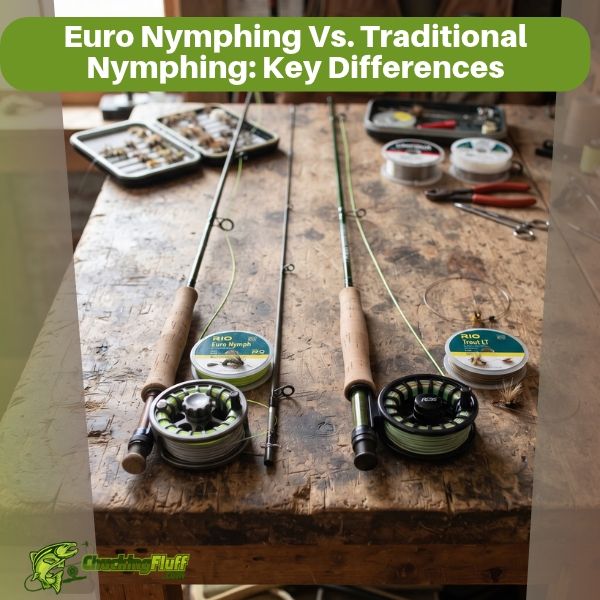
If you’ve ever found yourself curious about which nymphing style—Euro or traditional—fits your fly fishing adventure, I totally get it. As someone who’s spent hours experimenting with both techniques, I’ve learned that each comes with unique strengths, quirks, and best-case scenarios. Here’s an all-in-one look at Euro nymphing vs. traditional nymphing, including what makes them tick, how each stacks up on the water, a breakdown of the gear, and some real-world experience about where they shine. Whether you’re brand new to fly fishing or searching for your next upgrade, you’ll find plenty of specifics to chew on right here.
Euro Nymphing Vs. Traditional Nymphing: A Quick Overview
Both Euro nymphing and traditional nymphing are about using weighted flies to mimic aquatic insects drifting beneath the surface. When you dig into the details, though, tactics, gear, and even the way you approach the river can look pretty different. Here’s a quick side-by-side:
- Euro nymphing: uses longer rods, thin leaders, and heavy flies. Anglers keep tight lines and try for a direct connection to their fly. No indicators—just you, the rod, and the current.
- Traditional nymphing: usually means a regular 9’ rod, standard weight forward line, split shot or weighted flies, and a visible strike indicator. It’s about drifting the flies “naturally” using the current, with visual help to spot strikes.
So while the goal is the same—catching subsurface trout—those details add up to a really different experience.
History: How These Styles Developed
Nymphing has been part of fly fishing for quite a while. Traditional nymphing, especially with indicators, went popular in the mid-1900s as anglers dug into more ways to reach fish hiding below the surface. Euro nymphing, however, started spreading in the 1980s and 1990s across Europe. Competition fishing teams from the Czech Republic, France, and Spain were searching for the most efficient way to fool hard-pressured trout in clear, crowded rivers.
These Euro setups were built through tons of boots-on-the-ground trial and error, usually without indicators or added weight. By focusing on ultra-sensitive presentations, anglers tracked down ways to hook finicky fish—often with gear that looks more at home in a lab than a tackle vest. Today, Euro nymphing covers a family of techniques (like Czech, French, and Spanish nymphing), but they all center around tight line control. Traditional nymphing hasn’t stood still either, picking up new tricks from across the fly fishing globe.
Gear: What You’ll Need For Each Style
Add a little gear shakeup to your routine, and you’ll quickly spot differences in your kit between Euro and traditional nymphing. Here’s an all-in-one breakdown:
Euro Nymphing Gear
- Rod: Usually 10’ to 11’, sometimes longer, in 2-4 weight for extra reach and sensitivity.
- Line: Ultra thin, level fly line (or specialized Euro lines) meant for direct connection and less sag.
- Leader: Really long (up to 20’), made from fine mono or fluorocarbon, with a bright sighter to help you spot subtle bites.
- Flies: Heavy tungsten beaded nymphs on jig hooks, often fished tandem or with two flies on a rig.
This mix is built for control, touch, and the ability to reach out and almost “feel” what those nymphs are doing through the rod tip.
Traditional Nymphing Gear
- Rod: Usually 9 feet (sometimes shorter), in that well-loved 5 weight.
- Line: Normal weight forward floating fly line.
- Leader and Tippet: 9-12’ tapered leader, often with added tippet. Split shot might be needed for extra weight.
- Strike Indicator: From foam or yarn to small plastic bobbers—lots of options.
- Flies: Weighted or unweighted nymphs, sometimes with flash or more movement, typically fished solo or with a dropper.
This style is about easy casting, straightforward line handling, and bite detection you can see rather than feel.
The Euro Nymphing Technique: How It Works In Practice
Euro nymphing lives or dies by a tight, direct connection to the fly. This approach feels more hands-on than traditional nymphing. Here’s the main rundown:
- Cast upstream or slightly upstream and across. Aim for a quick, compact casting motion (think more of a lob).
- Keep almost all your line off the water. Reach out with your rod, lift and guide the flies as they drift downstream.
- Watch the sighter section; any twitch, stop, or odd movement could be a strike.
- Control depth and speed by changing your rod tip angle and weight of your nymphs. There’s no need for extra split shot or fighting a floating belly of line in the current.
- With that close contact, you pick up strikes you’d usually never feel or see with an indicator.
This setup lets you park the nymphs right where you want and react instantly. The sensitivity is wild—sometimes you can even spot fish “breathing” on your fly.
The Traditional Nymphing Approach: What Makes It Different
Traditional nymphing values long drifts and getting that “natural” float with the current. Here’s the gist:
- Cast upstream, up-and-across, or across stream, based on current and structure.
- Let your flies and the indicator glide downstream, mending the line to minimize drag and keep the flies looking natural in the current.
- Watch for changes in your indicator’s movement—stops, twitches, or dips trigger a hook set.
- Extra weight (split shot or weighted flies) helps get your bugs down to where the fish are feeding.
- This style adapts to all kinds of water: big runs, slow pools, and anywhere you need precision.
The best part? The visual feedback from the indicator helps new anglers spot subtle bites, while adjustability lets you mix things up fast to match new water.
Casting Differences: Euro Vs. Traditional Nymphing
If you’re used to traditional fly casting with wide loops and false casts, Euro nymphing will probably feel like a whole new sport. Euro casting is more of a controlled lob—this keeps heavy flies and a long leader under control and avoids tangles.
Traditional nymphing lets you throw longer, smoother casts, great for covering big water or skittish fish. Of course, those long casts add more slack and make bite detection trickier.
Detecting Strikes: Feeling Vs. Watching
This is often the deciding factor for anglers. In Euro nymphing, you feel bites directly through your sighter and rod tip—with almost no lag. If a trout mouths the fly, you sense it right away. Traditional nymphing, meanwhile, depends on visually tracking your indicator. Some folks like this, especially in choppy water where feeling the bite would be tough.
Personally, I pick up on more strikes with Euro nymphing, though setting the hook in time is a skill to work on. Traditional style relies more on sharp eyes and quick reactions.
Adapting To Different Water: Which Style Wins Where?
This is one of the biggest factors. Euro nymphing shines in fast pocket water, shallow seams, and sneaky, technical runs where trout spook easily. The tight line means you can drop flies in micro-pockets without sending the fish running.
Traditional nymphing stands out on big rivers with long drifts or even on lakes—indicator fishing helps you watch bites and manage depth, especially when variable wind or poor light makes it tough to spot a sighter.
- Best for Euro nymphing: small to medium rivers, riffles, pocket water, or anywhere close control is needed.
- Best for traditional nymphing: wide rivers, deep pools, or spots where longer drifts and greater casting distance matter.
Fly Selection And Rigging: Getting The Details Right
Euro nymphing flies are tied on jig hooks, heavily weighted (with tungsten beads), and built to get down fast riding point-up—super handy for bouncing along rocky bottoms. Patterns are usually simple and utilitarian, though sometimes a bright hotspot or sparse dubbing works wonders. Two-fly rigs and tag droppers are common here.
Traditional nymphing flies can be more varied or flashy—think chunky stoneflies, slim midges, or whatever the local fish want. Indicators, split shot, and even droppers with dry flies or egg patterns let you mix things up quickly.
Line Management: Direct Contact Vs. Line Control
Euro nymphing keeps nearly all the line off the water, cutting drag and letting you place your nymphs exactly where you want. There’s no battling multiple current seams or unpredictable split shot hops.
In traditional nymphing, slack and mending are a constant puzzle. It’s a worthy skill, but it can mean more time tending line than fishing. That’s why Euro nymphing can sometimes let you get in tune with the fly and bite, especially in tight quarters.
Learning Curve: Which Style Is More Beginner-Friendly?
Euro nymphing might look pretty technical, and the gear change can seem intimidating. However, once you get a feel for casting and leading the flies, it’s a direct, hands-on style that gives you plenty of feedback from the river itself. Many new anglers actually pick up the basics of Euro faster than they expect, because it’s so direct and fuss-free.
Traditional nymphing follows the “classic” fly fishing path—casting, mending, watching indicators, and moving across water. Its visual side is easier for most beginner anglers, but sizing up subtle takes and managing drag can take some effort to master.
Advantages Of Euro Nymphing
- You’ll detect tons of strikes you’d have missed using an indicator—much more sensitive feedback.
- The system excels in skinny water or bumpy, fast current where you need fly control.
- Your kit is lightweight—no split shot or indicator clutter weighing you down.
- Flies sink lightning quick for better coverage in diverse runs with shifting depths.
Advantages Of Traditional Nymphing
- Longer, smoother casts are possible; great when you need to reach spooky fish on big water.
- Strike indicators give you consistent and easy-to-see feedback—a genuine bonus as dusk falls or water slows down.
- Versatile: you can combo with dry droppers, switch to swinging wets, or add in egg patterns quickly.
- Simple starting point: standard rods and lines get you on the water fast, with very little gear learning curve.
Drawbacks To Keep In Mind With Each Approach
Euro Nymphing Drawbacks
- Specialized gear (longer, more delicate rods and lines) is less ideal for tossing streamers or dry flies.
- Lob casting is awkward at first, especially when it’s windy or you need pinpoint accuracy.
- Hard to reach fish far out—you’ve got to get close, which risks spooky trout spotting you.
Traditional Nymphing Drawbacks
- It’s easier to miss subtle takes, especially when trout barely mouth your fly.
- Drag from the indicator and floating line can spook trout or kill your natural drift.
- Mending and managing slack is constant—definitely a recurring challenge every angler faces.
Tackling Common Challenges: Troubleshooting In Both Styles
Every angler hits a wall with nymphing. Here’s a set of tips I’ve used to get through the most stubborn problems:
- If you’re missing fish with Euro rigs, tighten your sighter and use heavier nymphs for solid contact. Sometimes swapping to a brighter sighter color for tricky lighting does wonders.
- If your traditional indicator drifts look “off,” test smaller indicators and practice controlled mending. Ditch the drag—trout spot it in a flash.
- Clear or heavily-fished water? Downsize leaders, go soft on presentations, and hunt less obvious seams. Both styles can stealth their way to more fish if you adjust dial things in.
Making The Switch: Trying Both Styles Without Buying All New Gear
Not sure which style you’ll love? There’s no need to blow your budget. Plenty of 9’ rods handle both approaches with a bit of smart rigging. Swap to a long, thin mono leader and heavy nymphs for Euro practice, or pop on an indicator for the traditional method. Trying both within a couple of trips can be an eye-opening way to see what vibes best with your fishing style.
Real-World Examples: What I’ve Experienced On The Water
When I hit a small, rock-studded stream last fall with a Euro nymph rig, the water was crystal clear and the trout were spooky. Euro let me sneak up, drop nymphs into pocket after pocket, and feel even the faintest “tick” on my line. It turned out those ticks were trout—and I landed more than expected.
Later, I moved over to a broad tailwater river. That’s where traditional nymphing took the crown: longer drifts, easier swing through deep glides, and a visible indicator above the chop. Both styles scored fish that day—but for different reasons, and I ended up switching styles as the water types changed.
Tips To Take Up A Notch Your Nymph Fishing—No Matter The Style
- Bring both lightweight Euro nymph gear and a couple of small indicators so you can adapt on the fly.
- Practice each casting style in an open area to get comfortable and avoid frustrating tangles.
- Make your own leaders—a DIY Euro leader is simple to tie and saves a few bucks.
- Match the bugs: slim tungsten for Euro in fast current, flashier or bulkier flies in murky or slow water for traditional.
- Keep fishing notes. Track what works and where—patterns will start to emerge quickly if you pay attention.
Frequently Asked Questions
Q: Can I use a standard fly rod for Euro nymphing?
A: You can, but a longer rod really gives you more control for Euro methods. Try it with your standard stick but watch for reach and sensitivity—10 foot or 10.5 foot rods are highly recommended once you fall in love with the style.
Q: Which is better for beginners: Euro or traditional nymphing?
A: Traditional is easier for most first-timers because casting feels familiar and the indicator is easy to keep an eye on. Euro nymphing’s learning curve is different—but super rewarding once you catch on to how it works.
Q: Do I need special flies for Euro nymphing?
A: They really do help. Euro nymphs are tied on jig hooks with heavy beads to sink fast and ride hook point up. This makes for fewer hangups and more controlled drifts, especially over rocks and structure.
Q: When should I choose Euro nymphing over traditional?
A: Jump into Euro in shallower, faster, or tricky water where bite detection and close control are the ticket. Traditional nymphing stands out when you need to cover distance—big rivers and long runs make it shine.
Q: Can I switch styles in the same outing?
A: Absolutely! Have both leader types, a wide array of nymphs, and a couple of indicators. Being able to switch up lets you match what the water and fish are telling you each day.
Tuning your nymphing approach opens up a huge slice of fly fishing that’s challenging and rewarding. Spend some solid time with both techniques—you’ll pick up skills, stumble upon new tactics, and net more fish as a result. Track what works, experiment, and enjoy every step of the way!
“Check out some of our other Buying Guides”
How to Choose Fly Fishing Rods – A Few Things for you to Consider
Dry Fly Fishing Tips And Tricks

What Flies Should You Take With You – Beginners Guide to Catch More Trout
About Author
